
Last updated November 2, 2026
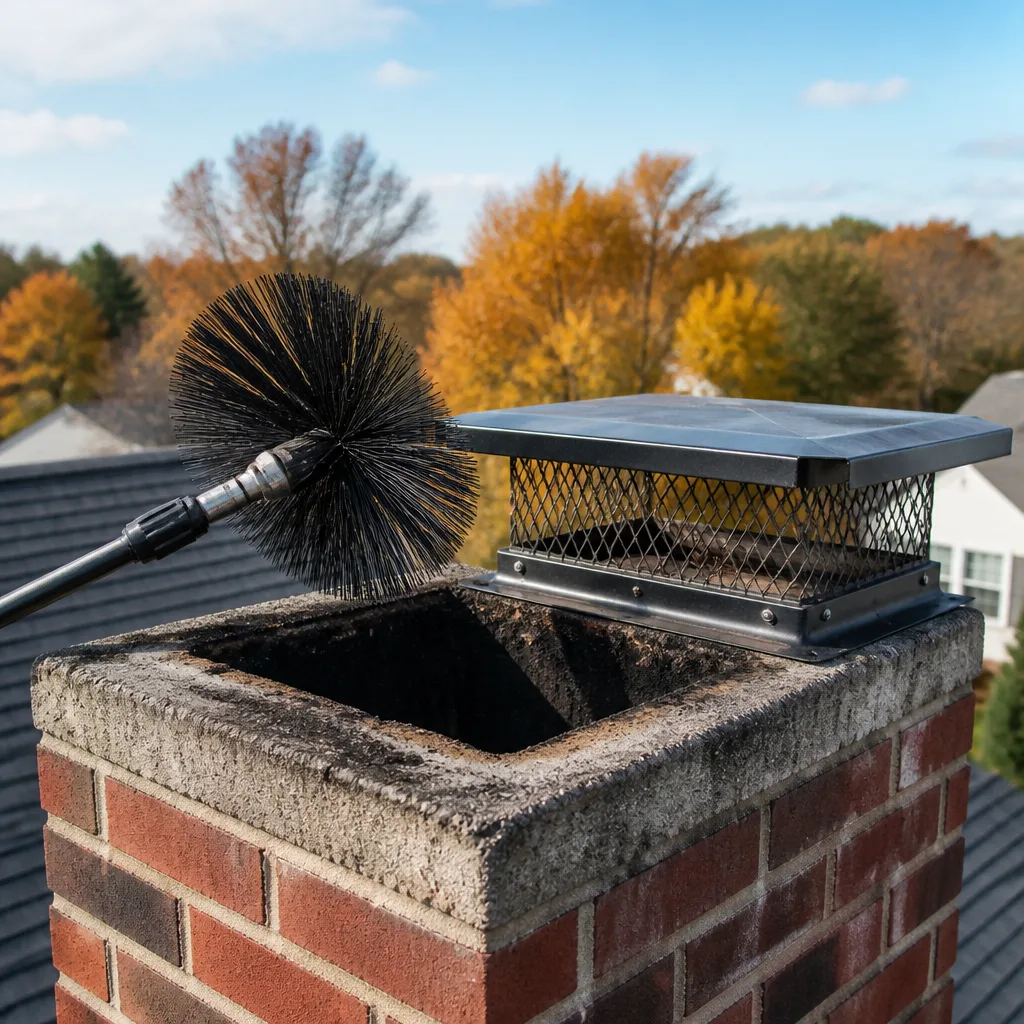 Sweep & inspection
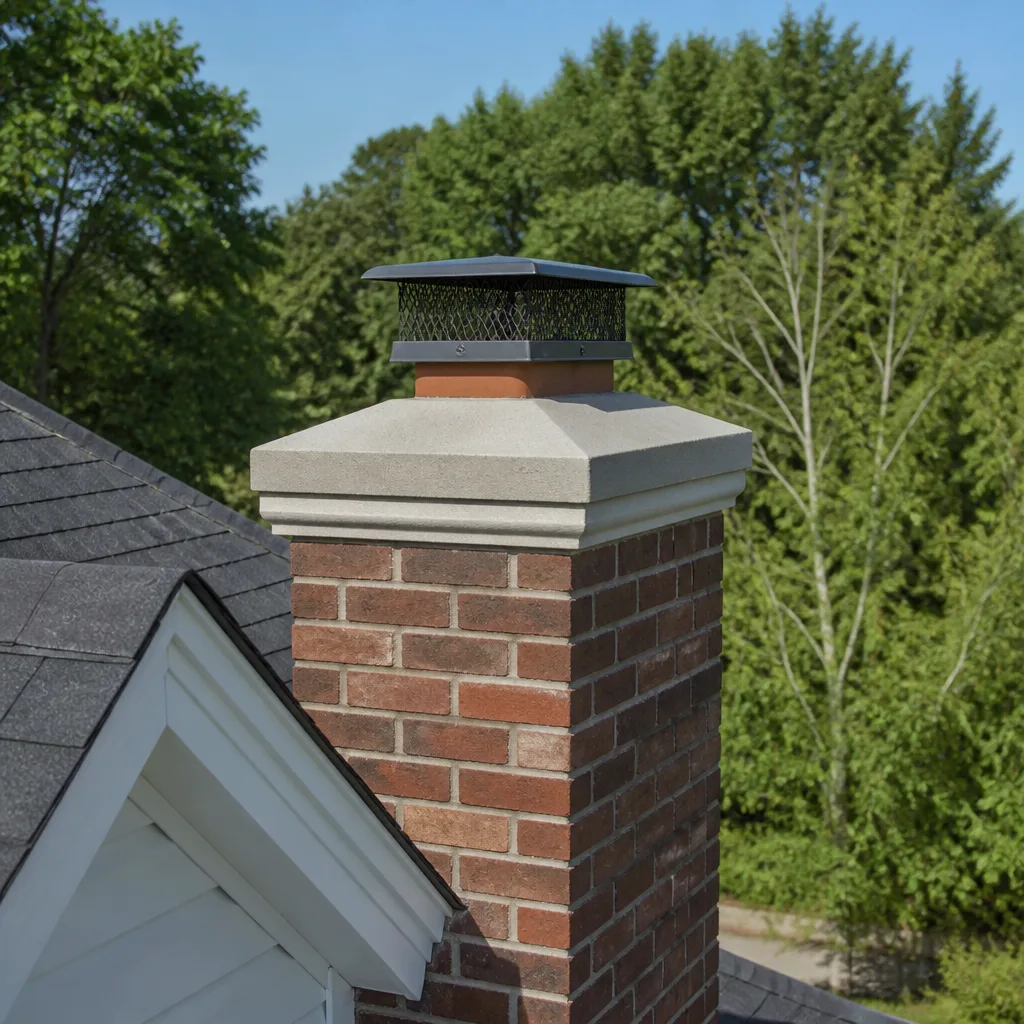 Caps & crowns
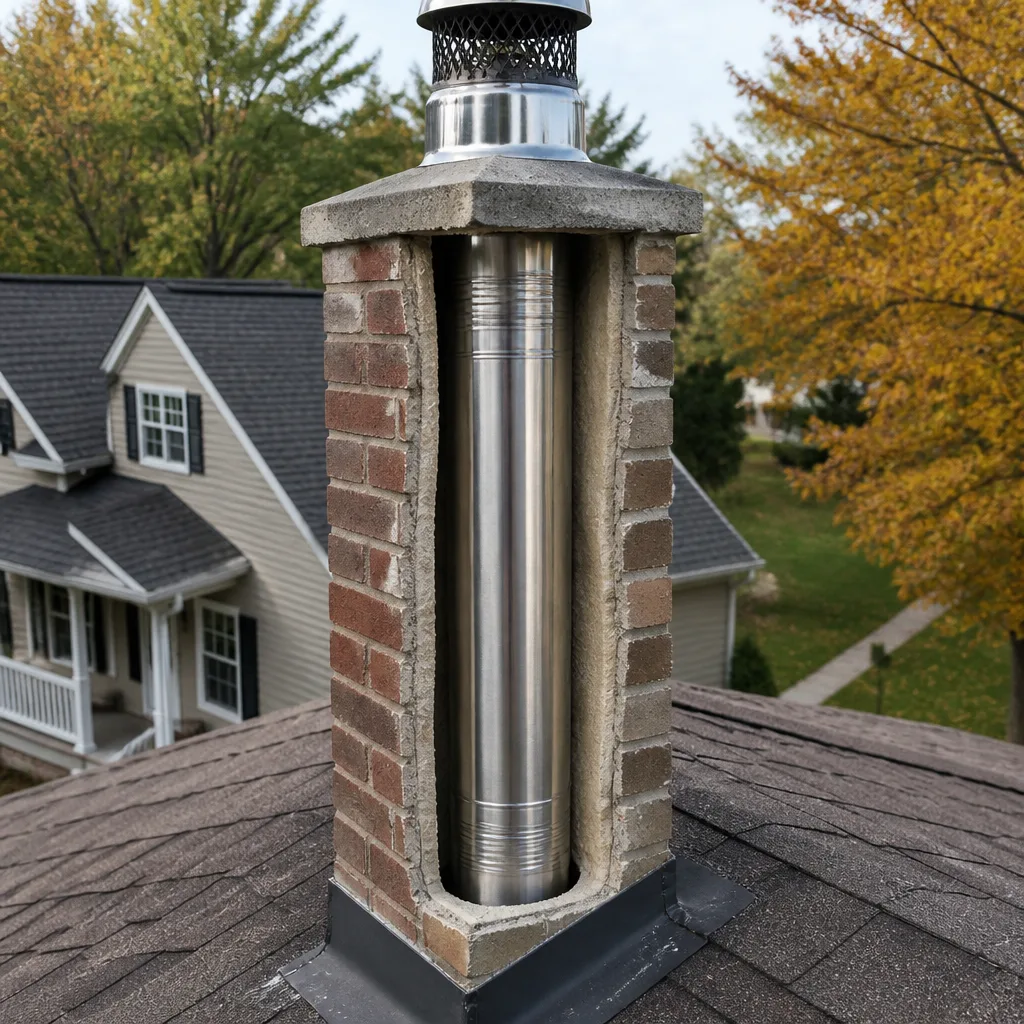 Flue relining
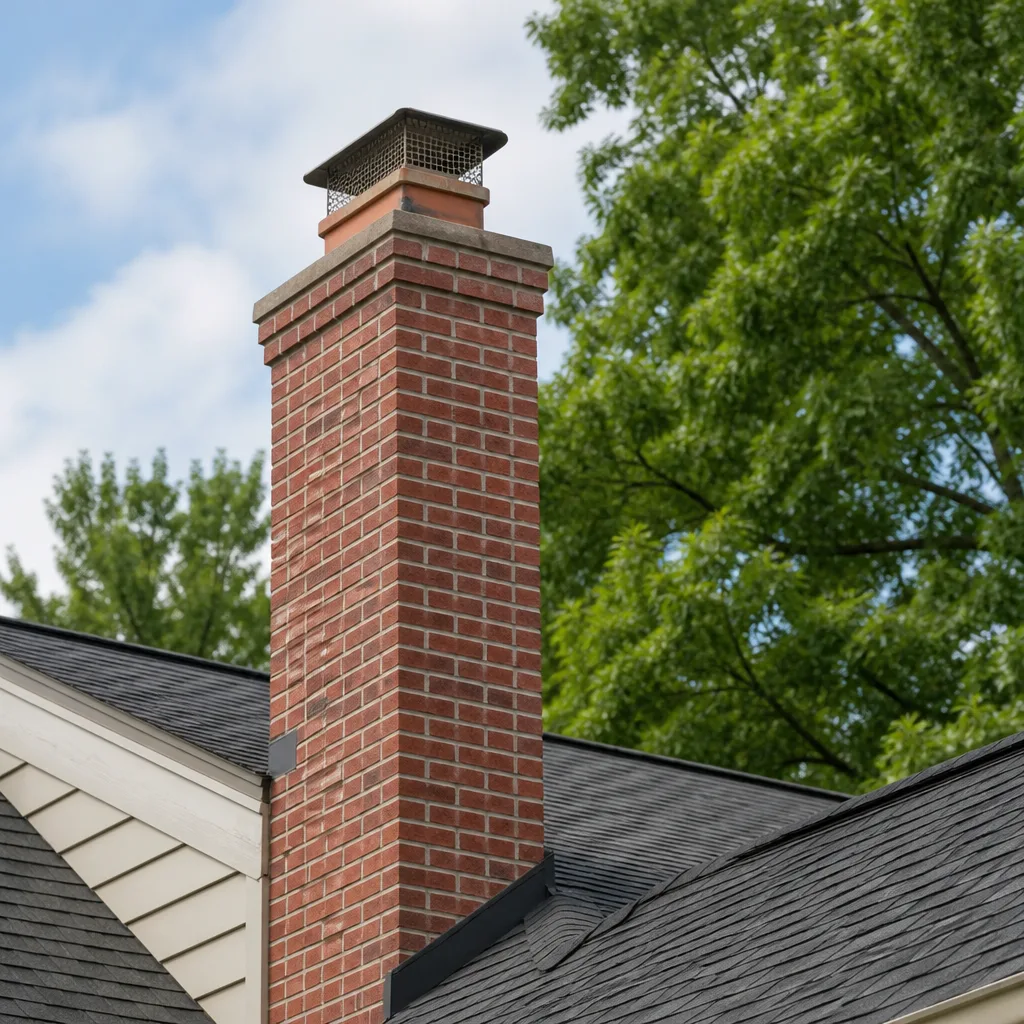 Masonry repair
 Gas fireplace service
Level 1 sweep and inspection to the NFPA 211 annual standard - flue, crown, cap, and flashing checked and photographed
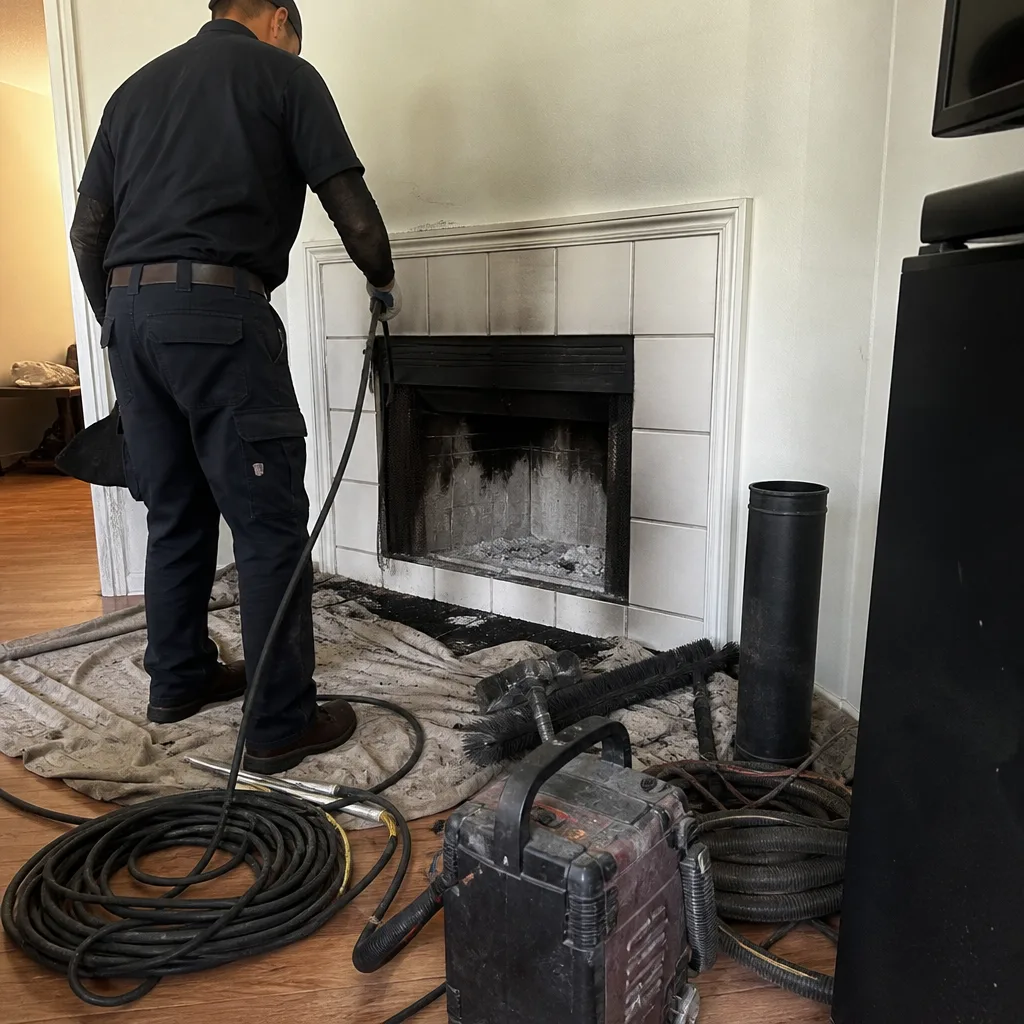
Chimney sweep logs do not sweep chimneys. They loosen some creosote - which then falls where a brush and vacuum still have to collect it.
Chimney Cleaning Emergency Preparedness Guide for Chino Homes
CAL FIRE’s defensible space requirements are specific about vegetation clearance. They say nothing about chimney spark arrestors. Yet an unscreened or damaged chimney cap during a Santa Ana wind event can eject burning embers that travel up to a quarter mile. That’s not hyperbole. That’s how ember cast works, and it’s the same mechanism responsible for a large percentage of structure losses during California wildfires. This guide connects chimney maintenance directly to emergency preparedness for Chino homeowners, complementing our Chimney Cleaning Warning Signs: A Chino Homeowner’s Reference Guide. You’ll learn what to check before red flag warnings, what to do in the first ten minutes of a chimney fire, how to shut down your fireplace system before an evacuation, and what your chimney needs after a nearby wildfire event.
Quick Answer
Chimney emergency preparedness in Chino means maintaining a spark arrestor with 1/4-inch mesh (tighter than the code-minimum 5/8-inch), keeping creosote buildup below 1/8 inch through annual cleaning, and knowing your shutdown sequence – detailed in our Chimney Sweep Maintenance Checklist for Chino Homeowners – close the damper, verify the cap is intact, and clear the firebox before fire weather arrives. A properly maintained chimney dramatically reduces both house fire risk and the chance of your home becoming an ember source that threatens your neighborhood.
Styles & brands we work with
- Sweep & inspection
- Caps & crowns
- Flue relining
- Masonry repair
- Gas fireplace service
Table of Contents
- Spark Arrestor Specifications: Why Mesh Size Matters in Chino’s WUI Zones
- The First 10 Minutes of a Chimney Fire: A Step-by-Step Sequence
- Pre-Red-Flag-Event Chimney Checklist
- Evacuation Shutdown: How to Close Down Your Fireplace System
- Post-Wildfire Chimney Inspection: What Changes After a Nearby Fire
- Creosote, Ember Risk, and Why Cleaning Frequency Changes Fire Behavior
- Common Mistakes to Avoid
- When to Call a Professional
- Frequently Asked Questions
Spark Arrestor Specifications: Why Mesh Size Matters in Chino’s WUI Zones
Most homeowners assume any chimney cap does the job. That assumption is dangerous in eastern Chino, where neighborhoods border open grassland and foothill terrain classified as wildland-urban interface, or WUI. In these zones, building codes require spark arrestors. But code minimum and appropriate protection are two different things, as explained in our guide to Chimney Cleaning Permits, Codes & Inspections in CA: What You Need to Know.
California Building Code typically references spark arrestors with 5/8-inch mesh openings. That size stops large embers and meets basic compliance. However, what we’ve seen in actual wind-driven fire conditions is that 5/8-inch openings allow smaller burning particulates through. A cap with 1/4-inch mesh blocks nearly all ember-sized material while still allowing adequate draft. The difference matters during a Santa Ana event, when wind speeds in the Chino area can reach 40 to 60 mph through the canyons. At those velocities, fine embers become projectiles, not drifting sparks. They carry far. They ignite dry fuel wherever they land.
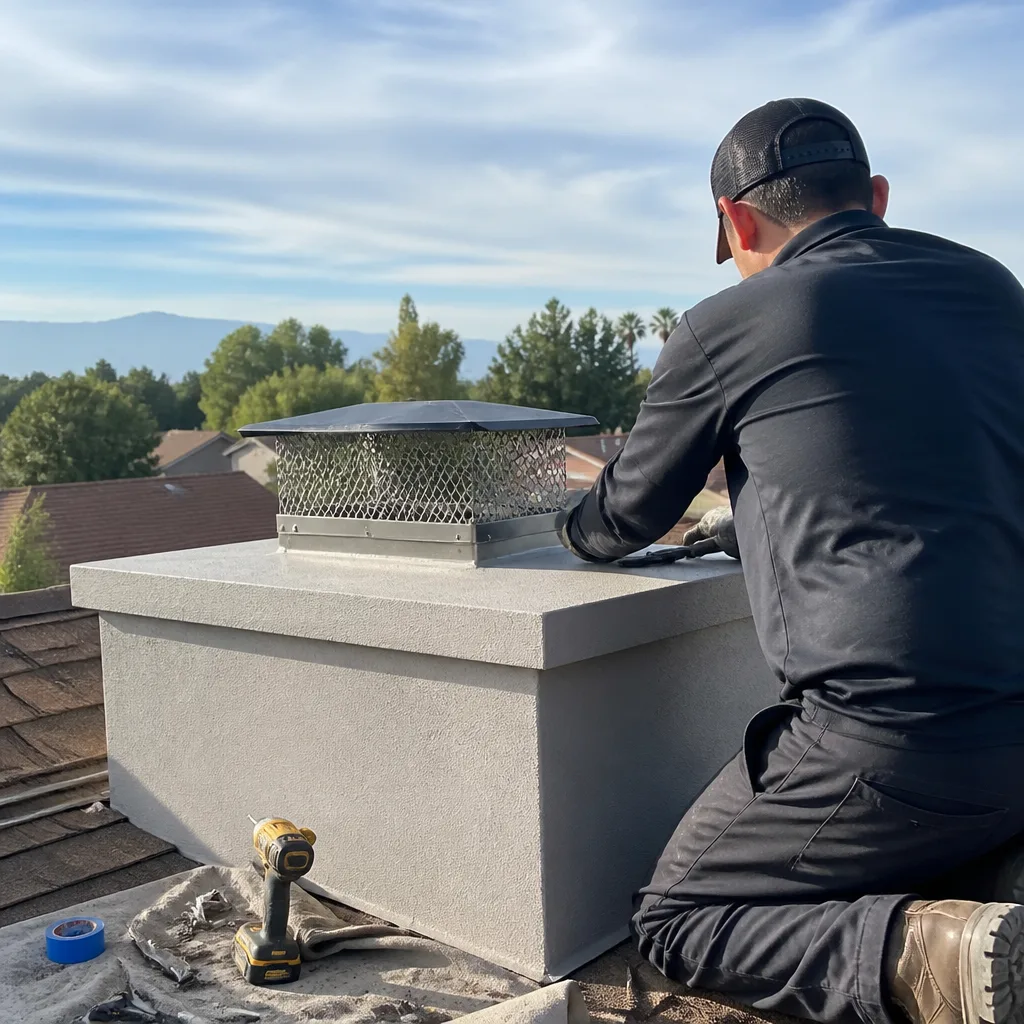
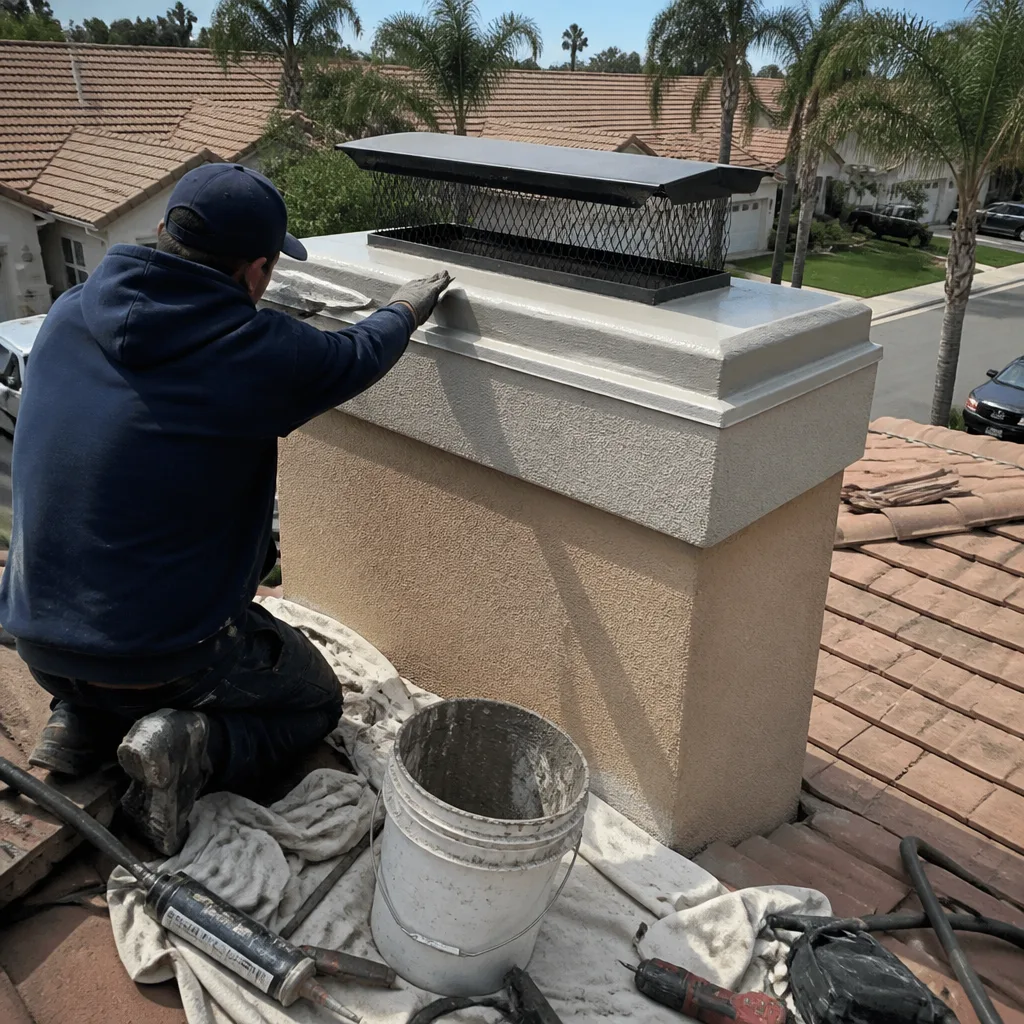
When we install or inspect caps, we look specifically at mesh condition. Galvanized mesh corrodes over time in our climate. Sun, occasional rain, and temperature swings all work on it. A corroded section of mesh creates an opening. The cap is now compromised, even if it looks fine from the ground. Stainless steel mesh lasts longer and holds its integrity better. Copperfield and Olympia Chimney both manufacture replacement caps with stainless spark arrestor mesh, and we specify these because they survive the conditions we actually have here, not the idealized conditions in a product brochure.
Check your own cap this weekend. You need a pair of binoculars. Look for gaps at the mesh-to-lid seam, rust through the mesh, or any section where the mesh has pulled away from the frame. If you can see daylight through a hole bigger than a pencil eraser, the cap needs replacement before the next wind event. This is a ten-minute check that directly affects whether your home can become an ignition source for your street.
The First 10 Minutes of a Chimney Fire: A Step-by-Step Sequence
Chimney fires sound different than people expect. You’ll hear a low rumble or a roar that resembles a freight train or a jet engine at low altitude. Sometimes there’s a popping or crackling that’s louder than normal wood burning. You may see dense smoke from the chimney top, or flames shooting from the cap. If you suspect a chimney fire, here is the sequence:
- Call 911 immediately. Do not wait to see if it calms down. A chimney fire can breach the flue liner and spread into wall cavities in minutes. Emergency response time in Chino averages under eight minutes, but structural fire spreads faster than that in older homes with conventional masonry flues.
- Close the damper. This restricts oxygen flow to the fire. Reduced oxygen slows combustion inside the flue. Closing the damper is the single most effective immediate action you can take that does not involve water.
- Do not use water. Water inside a hot masonry flue causes thermal shock. That can crack clay tile liners instantly. A cracked liner is a hidden pathway for fire and carbon monoxide into your home. Water also produces steam, which can carry burning creosote particles unpredictably.
- Close any air inlets and glass doors on the fireplace or stove. Every air opening you close reduces the fire’s oxygen supply.
- Evacuate the home. Do not stay inside to monitor the chimney. Wait for the fire department outside, at a safe distance. Tell responding crews which fireplace or stove was in use, where the chimney is located, and whether you have a masonry or factory-built system.
Here is the critical prevention point. The probability of a chimney fire is directly tied to creosote accumulation. Creosote is the combustion byproduct that condenses on flue walls. It ignites at approximately 451 degrees Fahrenheit. A flue with creosote buildup of 1/4 inch or more is essentially a column of fuel waiting for a hot fire. A flue that has been professionally swept within the last year, with creosote below 1/8 inch, has far less fuel available. The fire either self-extinguishes or burns with dramatically lower intensity. This is why Chimney Sweep in Chino treats annual cleaning as a fire-safety procedure, not a cosmetic one.
Pre-Red-Flag-Event Chimney Checklist
Red flag warnings are issued by the National Weather Service when wind, low humidity, and dry fuel combine into dangerous fire weather. In Chino, these warnings are most common from September through January. The right time to prepare your chimney is not when the warning arrives. It’s in the days before. Here is the checklist we recommend executing before fire weather season begins in earnest, ideally in late August or early September:
- Inspect the spark arrestor and cap. Look for corroded mesh, missing sections, or a cap that has shifted. A cap that’s loose on the flue can detach entirely in high wind. Confirm the mesh is 1/4-inch stainless steel, especially if you live east of Euclid Avenue or near the hills.
- Verify damper operation. The damper must close fully and stay closed. A damper that only partially seals allows air to move through the flue continuously, which feeds any fire that starts inside the chimney and drags warm house air out in winter. Test it by closing it and feeling for drafts at the fireplace opening.
- Remove ash from the firebox. Ash buildup reduces airflow through the grate, which produces a smokier, cooler fire. Cooler fires create more creosote. More creosote means more fuel. Empty the firebox when ash depth exceeds two inches. Dispose of ash in a metal container with a tight lid, stored away from the house for at least three days.
- Clear the roof and chimney area. Remove leaves, pine needles, and any other debris from the roof, especially in valleys and behind the chimney. Rooftop debris ignition is one of the most common entry points for wildfire embers. The zone within five feet of the chimney is the critical clearance area.
- Schedule a professional sweep if you burned wood more than ten times last season. Creosote doesn’t announce itself. A flue can look clean from the top and carry a quarter inch of glazed creosote in the middle section. We find this frequently in Chino homes where owners burn softwoods or partially seasoned oak.
- Check the chimney chase or masonry crown. Look for cracks in the concrete crown or rust on a metal chase top. Damage here lets water into the flue interstitial space. Water plus creosote creates an acidic residue that corrodes liner components and weakens the entire structure over time.
This entire checklist takes under an hour for most homeowners. It is not complicated. What it requires is knowing what to look for, and our more guides & resources can help. If you can’t access the roof safely, that’s the point where a professional inspection makes sense. We do these inspections regularly for Chino residents who’d rather not be on a ladder with a pair of binoculars, and the cost of a sweep and inspection is modest compared to the cost of discovering a problem during an actual fire event.
Evacuation Shutdown: How to Close Down Your Fireplace System
If an evacuation order is issued for your Chino neighborhood, you’ll have a list of things to do. The fireplace is rarely on that list, but it should be. A home left during a wildfire faces ember intrusion from multiple entry points. The chimney is one of the largest openings in the building envelope. Here is the shutdown sequence we recommend:
- Extinguish any active fire completely. Do not leave smoldering logs or coals. Douse with sand or baking soda if water is unavailable. Remove the remains to a metal container outside if time permits.
- Close the damper fully. This is the single most important step. A closed damper blocks embers from falling down the flue into the firebox. It also blocks the chimney draft, which can otherwise pull embers into the home like a vacuum.
- Close glass fireplace doors if installed. These create a secondary barrier between the firebox and the living space.
- Verify the cap and spark arrestor from the ground if conditions permit. You are not doing a roof inspection during evacuation. You are confirming nothing obvious has changed since your last check.
- Communicate your chimney configuration to emergency responders. If you have time to leave a note or speak with responding personnel, tell them: masonry or factory-built, wood-burning or gas, and whether the damper is closed. This information helps fire crews understand heat pathways and potential secondary ignition points.
One overlooked detail during evacuations: leave the gas supply to a gas fireplace or gas log set turned off at the shutoff valve if you know where it is. A gas leak during a structural fire complicates everything. If you have a gas log set and do not know where the shutoff valve is located, that’s something worth identifying now, before any emergency happens.
For homeowners in zones with known evacuation history, which includes parts of Chino Hills-adjacent neighborhoods, the chimney shutdown sequence should be practiced once. Not drilled. Just walked through once so that you know where the damper handle is, how the glass doors operate, and what your system requires. You will not have time to figure it out when the order comes.
Post-Wildfire Chimney Inspection: What Changes After a Nearby Fire
A fire that burns near your home can leave your chimney looking untouched from the ground while causing conditions that make it unsafe to use. This is not something to guess about. After any wildfire in proximity to your Chino property, the chimney should be inspected before you light the first fire of the season.
Here is what actually changes, even when flames never touch your house:
- Ember and ash intrusion. Embers don’t need to ignite anything to cause trouble. They can enter through an open damper or damaged cap, settle in the firebox or on the smoke shelf, and create a hidden debris accumulation. That debris can smolder later when you light a fire, or it can block proper draft entirely.
- Heat stress on the crown and cap. Intense ambient heat from a nearby fire stresses masonry materials. Hairline cracks in a crown that were insignificant before can widen. A cap that was secure can loosen as metal expands and contracts. These changes are invisible from the ground and often invisible from the roof without close inspection.
- Flue liner delamination. Clay tile liners subjected to thermal stress can develop spalling, where the inner surface flaky and peels. Spalled clay tile pieces falling into the flue create blockages. A blocked flue sends carbon monoxide back into the home, which is a silent danger that has caused fatalities in Southern California homes.
- Ash accumulation in the rain cap area. Even with a functional spark arrestor, fine ash can clog the screen openings. A clogged screen reduces draft and causes smoke rollback into the room when you first light a fire. The fix is simple cleaning, but it needs to be done before use.
The post-wildfire inspection is a specific type of evaluation. It looks at the things a normal sweep doesn’t prioritize. In our experience with Chino-area homes after regional fire events, the most common finding is fine ash accumulation in the smoke shelf and firebox, not dramatic structural damage. But the second most common finding is crown cracking that the homeowner would never have noticed. Both deserve attention before the burning season begins.
If you had a factory-built system, post-fire inspection includes checking the metal chimney sections for warping or separation. Metal systems handle heat differently than masonry. Separation at a joint creates an opening where hot gases can escape into the chase. That’s a structural fire risk even when the chimney itself did not catch fire.
Creosote, Ember Risk, and Why Cleaning Frequency Changes Fire Behavior
Here’s the uncomfortable truth about creosote: it’s stubborn, it’s fuel, and it builds up faster in Chino than you might expect. Not because Chino has terrible moisture, but because the way many Chino homeowners burn wood creates the conditions for creosote formation. We see three common patterns:
First, burning unseasoned or partially seasoned wood. Oak cut in January and burned the following October has not had enough time to dry. Wet wood burns cooler. Cooler fires produce incomplete combustion, which condenses creosote inside the flue rapidly. The fix is simple: burn wood with a moisture content under 20%, which generally means seasoning for 12 to 18 months in our climate.
Second, overnight smoldering. Homeowners who load the stove before bed and close the air intake all the way to make the load last longer are producing a long, low-temperature burn. This is the single most creosote-productive burn profile. A hot fire for two hours produces far less creosote than a smoldering fire for eight.
Third, infrequent use. The homeowner who burns only on weekends in December and January, then lets the chimney sit idle for eleven months, accumulates creosote that hardens and glazes between burns. Hardened glazed creosote is more difficult to remove than the flaky, dusty variety. It requires mechanical removal with rotary tools, not just sweeping brushes.
The emergency preparedness connection is this: every creosote layer in your flue is fuel available to a fire. At 1/8 inch of buildup, a chimney fire is possible but often contained by the flue structure. At 1/4 inch, the fire intensity increases significantly. At 1/2 inch, chimney fires can reach temperatures of 2,000 degrees Fahrenheit, which is hot enough to crack clay tile, warp stainless steel, and ignite surrounding framing through radiant heat transfer alone. The difference between these scenarios is not the fire. It’s the fuel. And the fuel is entirely within your control.
The Chimney Sweep in Chino standard recommendation is an annual sweep for homes that burn wood at all, and a mid-season check for homes that burn more than a cord of wood per year. If you have a Chimney Repair in Chino need, such as a cracked tile or damaged cap, addressing it before burning season prevents the compounding of problems that makes emergency situations worse.
Common Mistakes to Avoid
- Assuming a code-compliant spark arrestor is sufficient. 5/8-inch mesh meets minimum code in many areas, but in WUI neighborhoods on Chino’s eastern edge, 1/4-inch stainless mesh is the appropriate standard for actual ember protection. Code is a floor, not a ceiling.
- Waiting until a red flag warning to check the chimney. By the time the warning arrives, the conditions you’re checking for are already dangerous. The right time is late summer or early fall, before fire weather season begins in the Chino area.
- Dousing a chimney fire with water. Thermal shock cracks liners and creates explosive steam. Close the damper, call 911, and evacuate. Water inside the flue is one of the worst things you can do.
- Leaving rooftop debris in place. Leaves and pine needles on the roof and behind the chimney are direct ember fuel. In a neighborhood fire scenario, a debris-ignited roof fire can spread to the chimney chase and into the attic regardless of how well the flue itself was maintained.
- Burning unseasoned wood because it smolders longer. That longer burn time is a creosote factory. A short, hot burn from dry wood produces less creosote and more usable heat per log.
- Skipping the post-fire inspection because the house “looked fine.” Ember intrusion, crown cracking, and screen clogging are invisible from the ground. The first fire you light after a nearby wildfire is not the time to discover a draft blockage.
- Treating the dryer vent as unrelated to chimney fire safety. Lint is a different fuel, but the mechanism is similar: combustible material accumulating in a concealed vent, waiting for ignition. A Dryer Vent Cleaning in Chino is part of the same household fire-safety picture as chimney maintenance.
When to Call a Professional
Some chimney conditions are identifiable from the ground with binoculars and a willingness to learn. Others require tools, experience, and an understanding of what you’re looking at inside the flue. Call a professional when you see visible rust, cracks, or gaps in the cap. Call when a fire produces smoke rollback into the room. Call after any chimney fire, even a small one that self-extinguished. Call after a nearby wildfire, before the first burn of the season. Call when you’ve lived in the home for more than a year without a sweep and cannot document the last cleaning. Call when creosote is visible as a shiny black glaze on the flue wall. None of these conditions resolve on their own, and all of them are connected to your home’s emergency preparedness profile.
Chimney Sweep Chino offers free estimates in Chino for sweeps, inspections, and repair work. Call (866) 321-6641 to schedule. We specify products by name because materials matter, and we’ll show you exactly what we’re seeing in your flue before any work is recommended.
Frequently Asked Questions
Once per year for homes that burn wood at all. If you burn more than a cord per season, or if you burn softwoods or partially seasoned wood, a mid-season check is warranted. The annual sweep is the fire-safety baseline, not a maximum schedule.
1/4-inch stainless steel mesh is the appropriate standard for wildland-urban interface zones in eastern Chino. 5/8-inch galvanized mesh may meet base code but allows smaller embers through during high-wind events.
Stop using the fireplace immediately. Smoke rollback usually indicates a draft blockage, a partially closed damper, or flue damage. It can also mean the cap screen is clogged with fine ash. Have the system inspected before the next burn.
Most policies cover fires, but coverage depends on specific policy language and whether maintenance negligence can be demonstrated. A documented annual sweep history helps establish reasonable care. The more relevant point is that chimney fires are preventable in most cases with routine maintenance.
Standard chimney sweeps in Chino generally range from $150 to $300 depending on system type, accessibility, and creosote condition. Systems with glazed creosote requiring rotary removal, or with structural issues discovered during the sweep, run higher. Every sweep includes an inspection, and you should receive a camera report showing what was found. For an exact quote, call (866) 321-6641. Estimates are free.
Yes. Ember and ash intrusion, heat stress on the crown and cap, and liner degradation can all occur even when flames never touched your property. An inspection costs far less than discovering a hidden problem during the first winter burn.
The Bottom Line
Chimney maintenance in Chino is not a seasonal chore. It’s a structural component of your household emergency preparedness. A spark arrestor with the right mesh size keeps your home from becoming an ember source. An annually cleaned flue keeps a chimney fire from turning into a house fire. A known shutdown sequence means you can act correctly in the first minutes of an emergency instead of guessing. And a post-wildfire inspection makes sure your system is actually safe when you need it most. These are straightforward, affordable, and within your control. What’s not within your control is the fire weather. Prepare for it accordingly.
Chimney Sweep Chino handles sweeps, dryer vent cleaning, and chimney repair from one crew, start to finish. For a free estimate, call (866) 321-6641 or visit the Chimney Sweep Chino home page to learn more about our service area and approach.
Written by the team at Chimney Sweep Chino, serving Chino since 2011.
See the difference
 Before
 After
 Before
 After
 Before
 After