
Last updated November 2, 2026
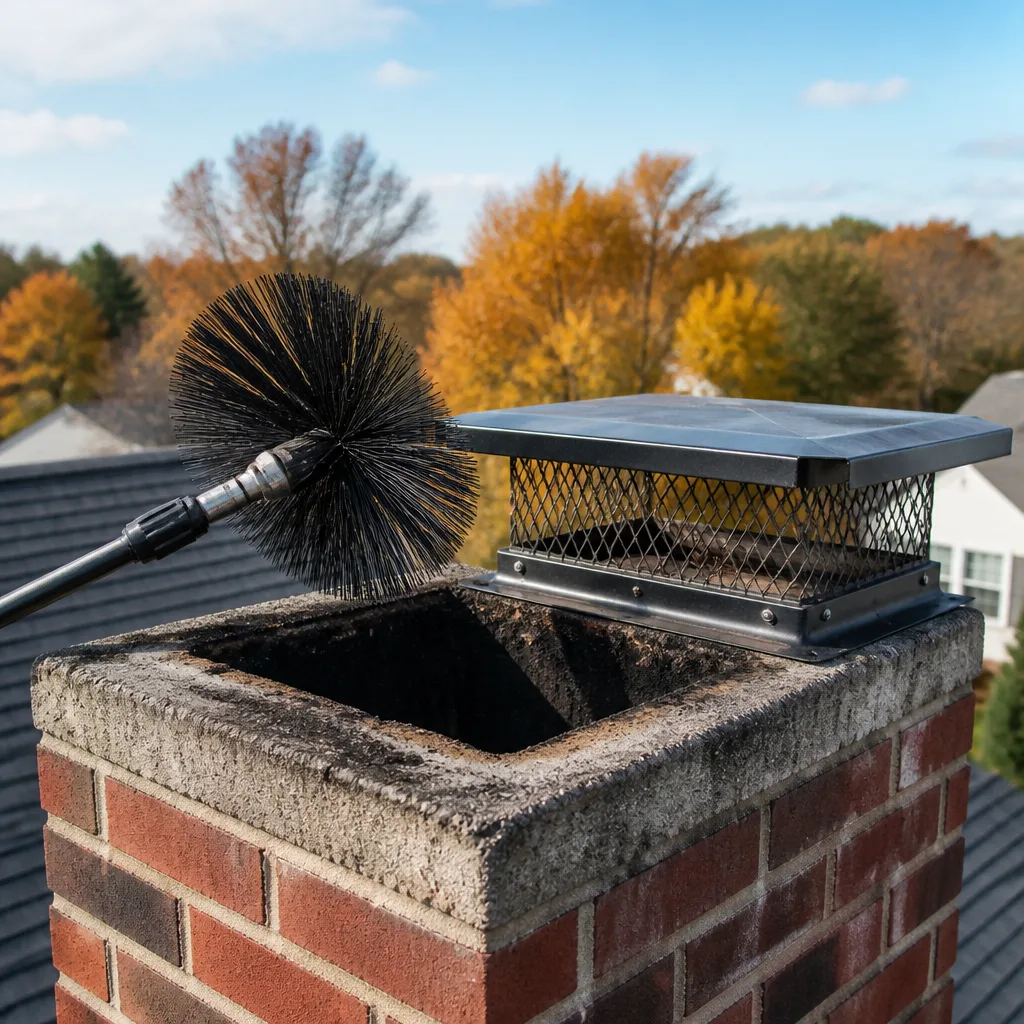 Sweep & inspection
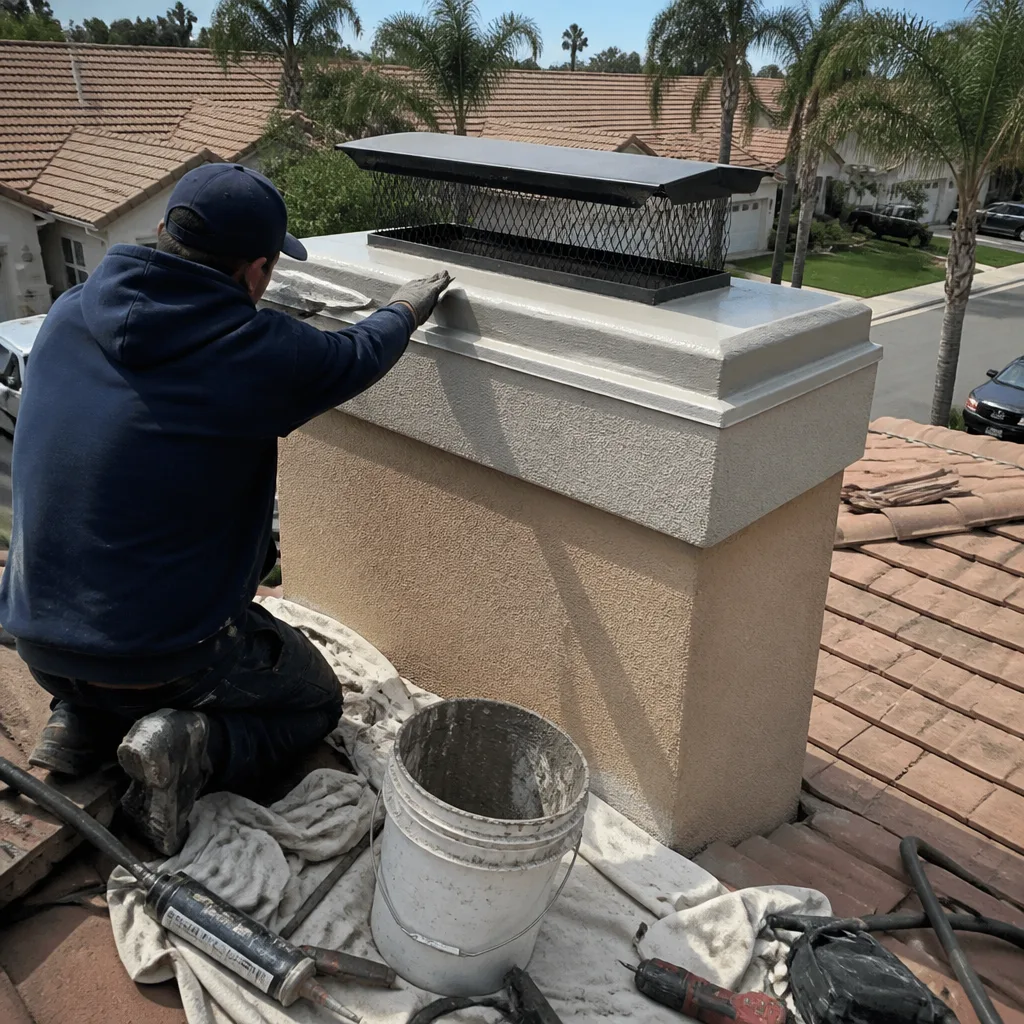
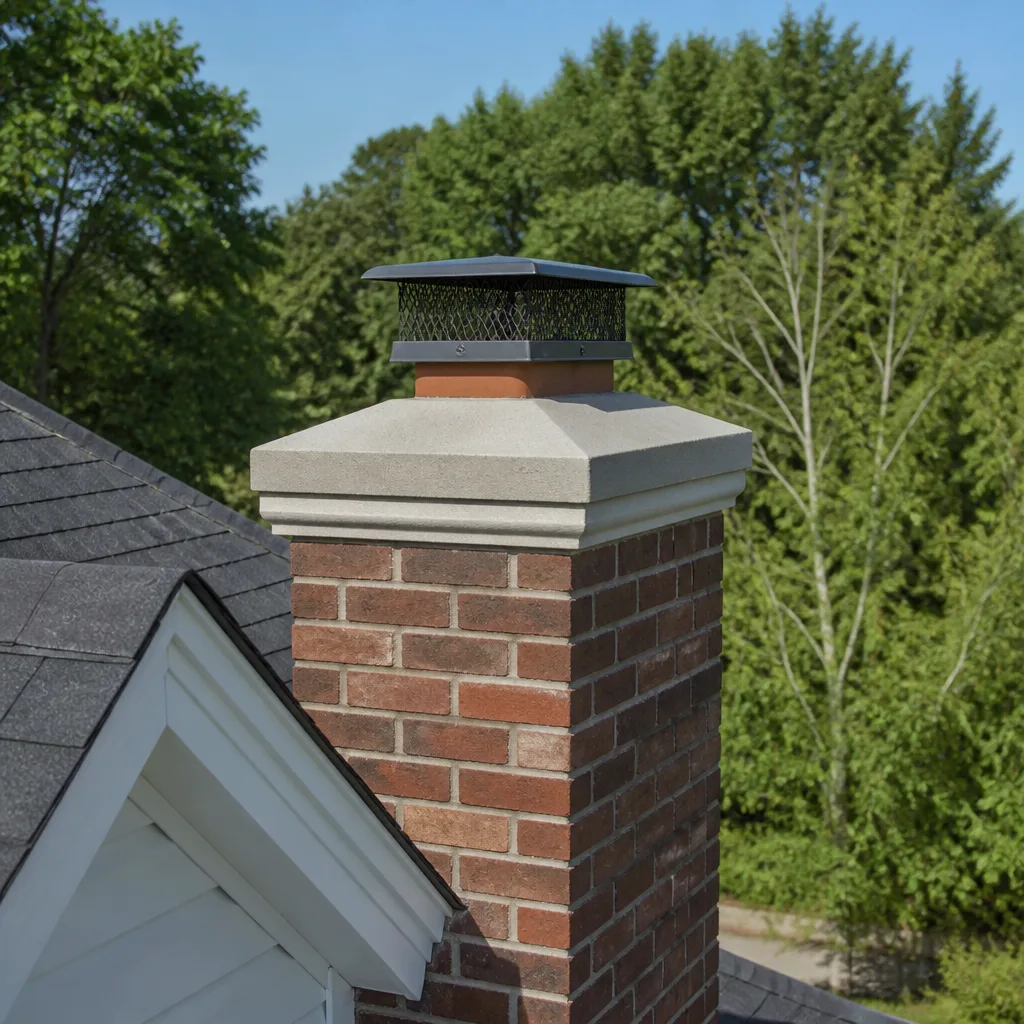 Caps & crowns
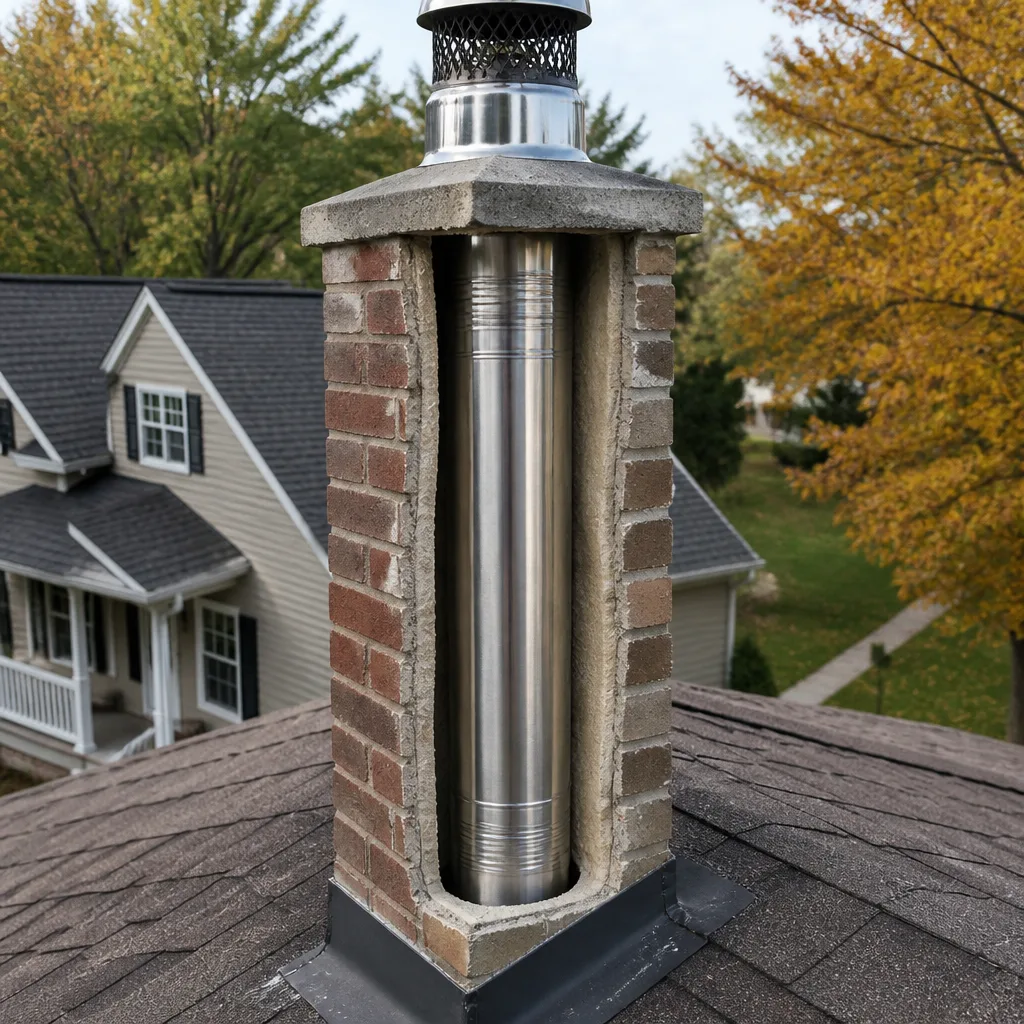 Flue relining
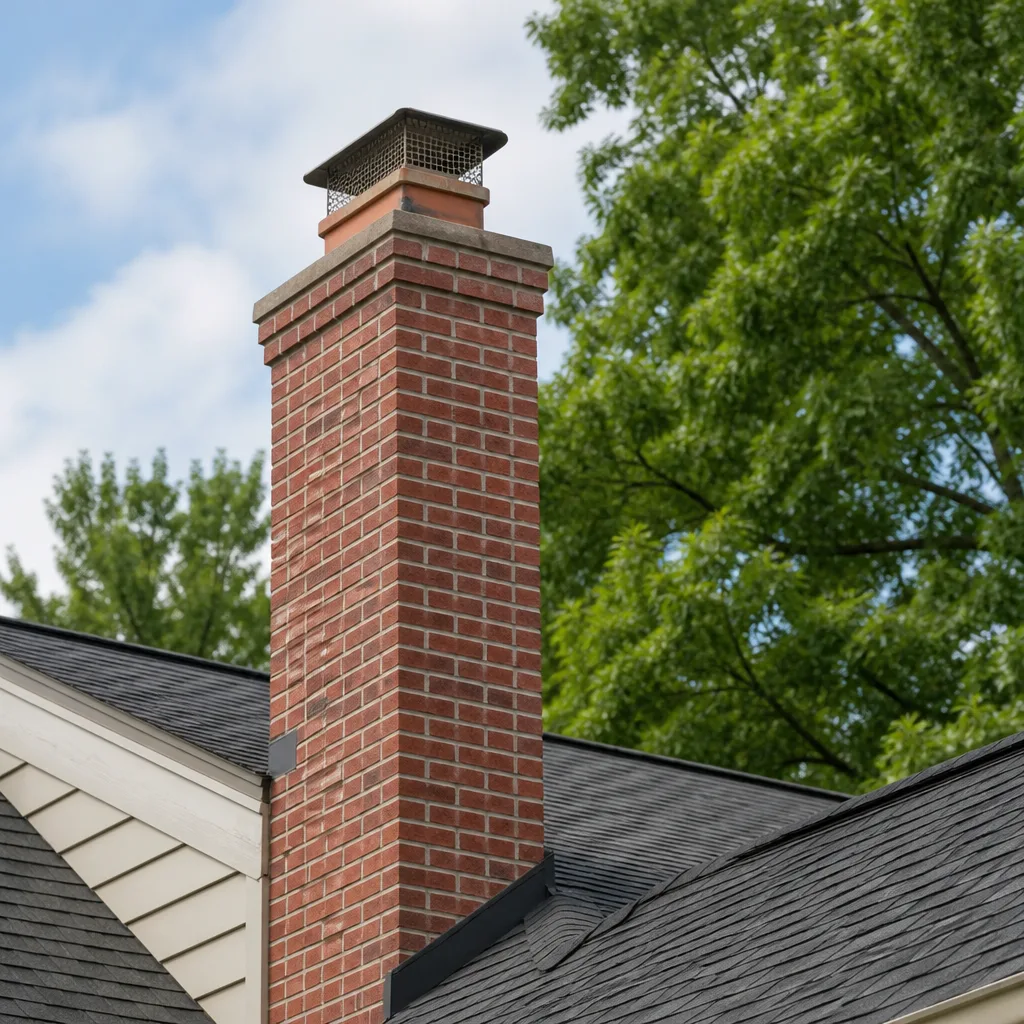 Masonry repair
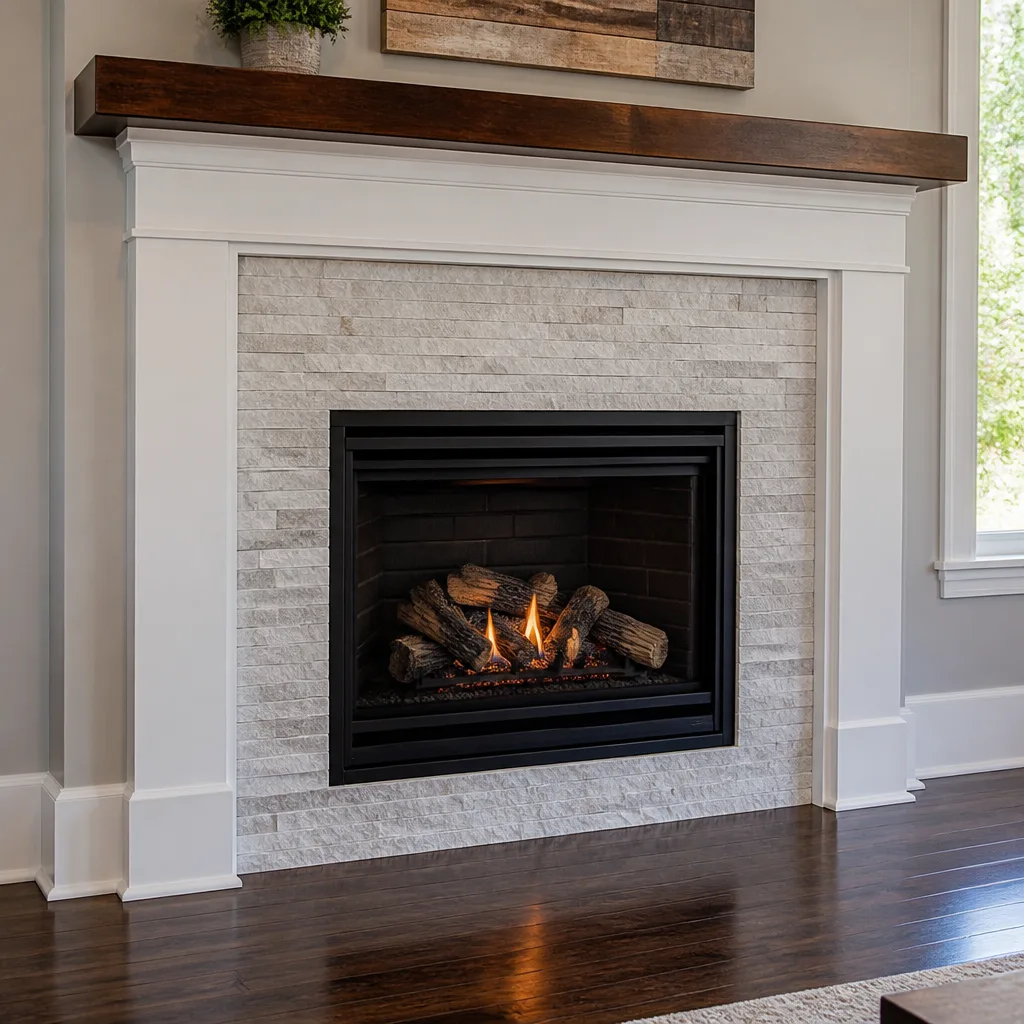 Gas fireplace service
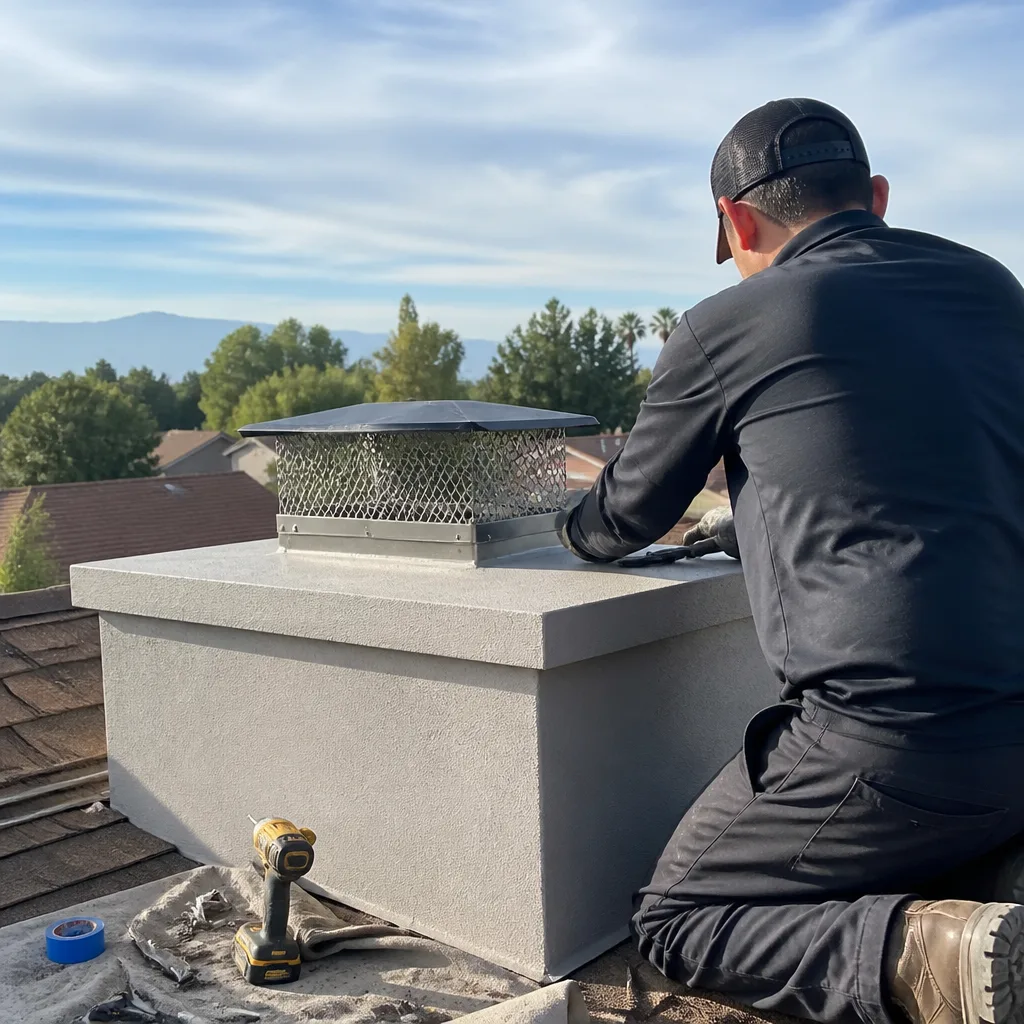
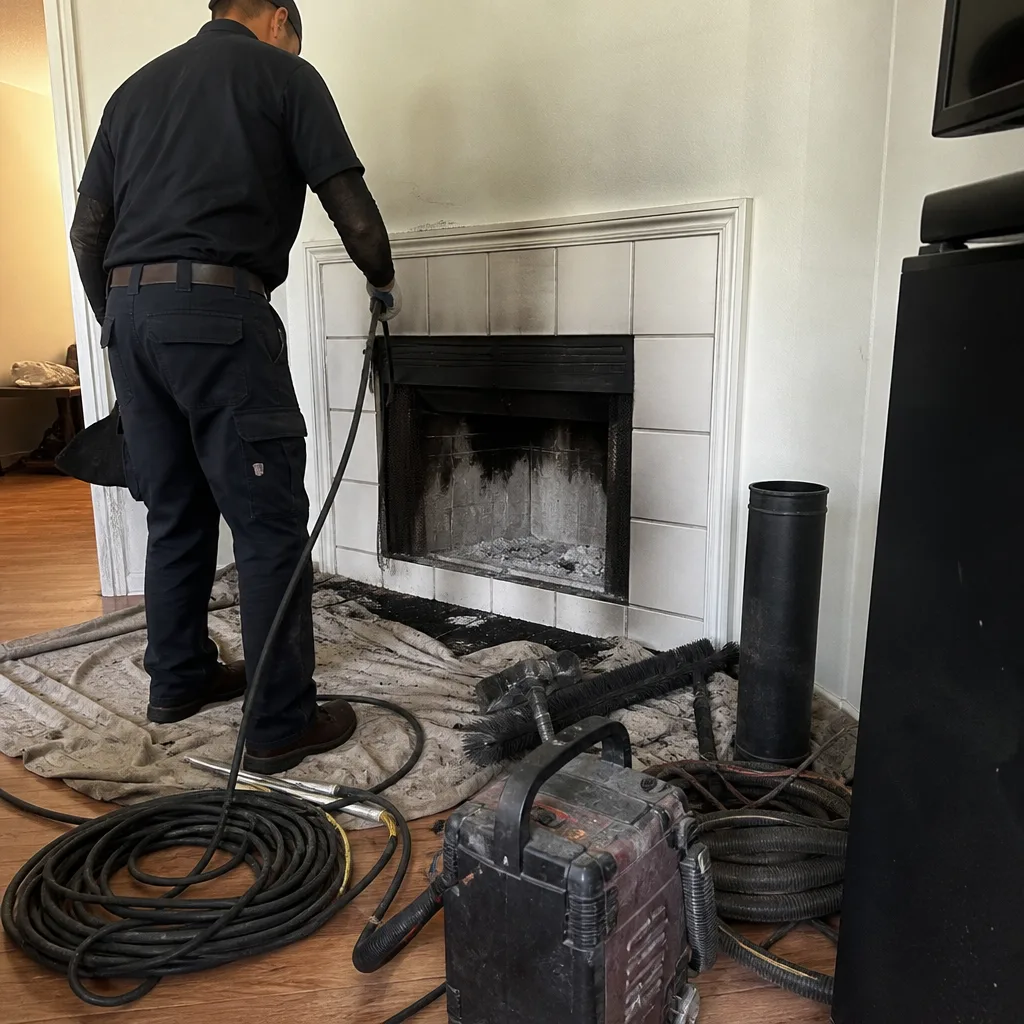
Level 1 sweep and inspection to the NFPA 211 annual standard - flue, crown, cap, and flashing checked and photographed
Chimney sweep logs do not sweep chimneys. They loosen some creosote - which then falls where a brush and vacuum still have to collect it.
Chimney Cleaning Warning Signs: A Chino Homeowner’s Reference Guide
Most chimney fires in Chino are not dramatic events with flames shooting from the roof. They are slow, smoldering burns inside the flue that damage the liner and compromise the structure before a homeowner ever notices anything is wrong. This guide explains the physical warning signs your chimney gives you, separates “schedule a cleaning” signals from “stop using this fireplace now” signals, and gives you the knowledge to make the right call before a small issue becomes a structural repair. For more guides & resources, visit our blog.
Quick Answer
A chimney needs immediate attention when you see shiny, tar-like creosote glazing inside the flue, smell smoke in rooms where no fire has been lit, hear popping or cracking during a fire, observe white mineral staining on exterior masonry, or hear animal sounds from the flue. Routine cleaning solves dry, sooty creosote buildup and minor odors, but the signs listed above indicate blockage, liner stress, or water intrusion that burning another fire will make worse. In Chino’s dry summer climate, creosote hardens into a form that standard brushing cannot remove, which is why annual inspection matters even if you burn only seasonally. See our Chimney Sweep Maintenance Checklist for Chino Homeowners for a full seasonal schedule.
Styles & brands we work with
- Sweep & inspection
- Caps & crowns
- Flue relining
- Masonry repair
- Gas fireplace service
Table of Contents
- Smoke Smell in a Cold Fireplace: The Warning Sign Most People Misread
- Creosote Stages: What You Can See From the Firebox Opening
- Warning Sounds: Popping, Animal Noise, and Rumbling Drafts
- Efflorescence: White Staining That Means Water Is Already Inside
- Draft Reversal and Smoke Backing Into the Room
- Schedule Soon vs. Stop Use Immediately: The Classification System
- DIY Visual Checks vs. Camera Inspection: Knowing the Limit
- Common Mistakes to Avoid
- When to Call a Professional
- Frequently Asked Questions
Smoke Smell in a Cold Fireplace: The Warning Sign Most People Misread
A strong smoke smell in a room where no fire has been lit in weeks is not a cleaning problem. It is a draft reversal sign, and draft reversal means air is moving down the chimney and into your living space instead of up and out. In Chino, where temperature inversions occur on cool mornings and warm afternoons, this condition appears more often than homeowners expect.
The physical mechanism is straightforward. A chimney functions as a pressure system. Warm air inside the home rises and creates negative pressure at the firebox opening. The flue, being taller than the house, experiences cooler air at its top and warmer air at its base under normal conditions, which pulls combustion gases upward. When that pressure balance breaks, the chimney becomes an air inlet rather than an outlet.
Three things cause this:
- Blockage. A bird nest, squirrel midden, or collapsed flue tile obstructs airflow. Air cannot move up, so it moves down.
- Cracked flue liner. A crack allows cold outside air to enter mid-flue, cooling the rising smoke and stalling the draft. The stalled smoke then sinks back into the room.
- Compromised smoke chamber. In older Chino homes with corbeled masonry smoke chambers, years of thermal stress open gaps that leak smoke into wall cavities and back into living areas.
What makes this sign dangerous is that many homeowners light a fire to “clear out” the smell. If the cause is a cracked liner or blockage, burning creates carbon monoxide that follows the same downward path into the living space. Carbon monoxide is odorless and colorless. You would not know it was accumulating until symptoms appeared: headache, dizziness, nausea. The correct response to a persistent smoke smell with no active fire is a professional inspection before the next burn.
In our service area around Chino, we have seen smoke-smell callbacks that turned out to be nesting starlings in the flue during spring. The smell was not creosote at all. It was decomposing nesting material. The fix was cap repair and a sweep, not a liner replacement. But the homeowner could not have known without a camera run.
Creosote Stages: What You Can See From the Firebox Opening
Creosote forms in three distinct stages, and understanding them helps you know whether you are looking at a cleaning issue or a fire hazard. You can observe the first two stages from the firebox opening with a flashlight, no special tools required.
Stage 1: Sooty dust. This is fine, black or gray powder with a texture like graphite. It brushes off easily with a fingertip. Stage 1 is normal combustion byproduct and schedules for routine cleaning. It does not signal immediate danger.
Stage 2: Crunchy flakes. This form looks like black cornflakes or brittle chips. It forms when flue temperatures fluctuate, often in shoulder seasons when Chino homeowners burn a fire on a cold morning and let it die by mid-afternoon. Stage 2 is still removable with standard sweeping tools, but it represents accelerating buildup.
Stage 3: Shiny glazing. This is the form that matters most. Stage 3 creosote looks like hardened tar with a glossy surface, often dripping down the flue walls like candle wax that solidified. It forms when Stage 2 creosote experiences high heat without full combustion, melting and then cooling into a dense, fuel-rich coating.
Stage 3 is the actual fire hazard. It ignites at temperatures far lower than wood. It is not removable with a standard brush pass. It requires rotary cleaning heads, chemical treatment, or in severe cases, professional resurfacing. A homeowner who sees shiny black glazing inside the flue should not light another fire until a professional has assessed it.
Warning Sounds: Popping, Animal Noise, and Rumbling Drafts
Your chimney makes sounds that most homeowners filter out as “normal.” Some of them are not.
Popping or cracking during a fire. This is thermal liner stress. Clay tile flue liners expand as they heat. When a liner has existing hairline cracks, that expansion widens the cracks rapidly, producing audible pops. The sounds often correlate with hot spots: areas where creosote has ignited on the liner surface and is locally overheating the tile. A liner that pops during a fire is telling you it is structurally compromised. Continued use widens the cracks until flue gases escape into the chase or wall cavities. Our Chimney Sweep Troubleshooting: Common Problems and How to Fix Them covers liner damage in more detail.
Animal sounds in the flue. Scratching, fluttering, chirping, or chittering from the chimney when no fire is burning means wildlife has entered the flue. In Chino, the usual suspects are roof rats, starlings, and squirrels. The immediate danger is not the animal itself. It is the nest. Nesting material is highly flammable and sits directly in the smoke path. It also blocks the draft, causing smoke to back into the home. Any animal sign means cap repair or replacement is required before the next burn, along with removal and a sweep.
Rumbling or hollow wind noise when no fire is active. This is barometric pressure fluctuation interacting with the chimney. A rumbling sound that appears on certain weather days, especially when Santa Ana winds push through the Chino Valley, often indicates an improperly sized or obstructed flue. The chimney is breathing poorly. It can also indicate a missing or damaged cap, allowing wind to enter the flue directly and create turbulence. While not always an emergency, persistent rumbling combined with smoke smell is a sign of a draft problem that needs diagnosis.
Efflorescence: White Staining That Means Water Is Already Inside
Efflorescence is the white, chalky mineral staining that appears on exterior chimney masonry. Many homeowners mistake it for cosmetic discoloration or paint failure. It is neither.
Efflorescence forms when water enters the masonry, dissolves mineral salts within the brick and mortar, and then migrates to the surface. When the water evaporates, the salts remain as a white deposit. The stain itself is harmless. The water causing it is not.
The critical detail about efflorescence is its timing. The white staining appears months after the water intrusion began. By the time you see it, water has been cycling through the chimney structure for at least one full season. The original point of entry is usually one of three places:
- Crown failure. The concrete crown at the top of the chimney develops cracks from thermal cycling. Chino’s hot summers and cool winter nights accelerate this cracking. Water enters through the crown and runs down the interior masonry.
- Mortar joint deterioration. Mortar erodes from acidic rainwater exposure over decades. Eroded joints become channels for water entry.
- Flashing failure. The metal flashing where chimney meets roof line loses its seal. Water runs down the exterior and enters at the roofline transition.
The reason this matters for warning signs: efflorescence tells you water is already inside a structure you use for fire. Water-damaged masonry crumbles. Crumbling masonry can shift flue tiles, open gaps in the smoke chamber, and compromise the liner. A chimney with visible efflorescence in Chino should be inspected for crown and flashing condition. The stain is the late-stage symptom, not the problem itself.
Draft Reversal and Smoke Backing Into the Room
Smoke backing into the room during an active fire is the most alarming chimney symptom a homeowner will ever experience. It is also one of the most commonly misdiagnosed.
The immediate instinct is to open a window. That sometimes works, and when it does, it points to a household air-pressure problem rather than a chimney defect. In tightly sealed Chino homes, exhaust fans in kitchens and bathrooms compete with the fireplace for available air. The fireplace loses, and smoke enters the room. This is a ventilation issue with a ventilation solution.
But when smoke backs into the room regardless of window position, fan settings, or weather conditions, the cause is structural. The flue is obstructed, the liner has collapsed, or the smoke chamber is drawing air from the wrong source. In these cases, continued burning directly exposes the household to carbon monoxide and particulate matter.
The classification matters: a draft problem that responds to opening a window is likely fixable with supply-air remediation. A draft problem that persists no matter what you do means the chimney is not moving combustion gases safely at all. That is a stop-use condition.
Schedule Soon vs. Stop Use Immediately: The Classification System
Homeowners in Chino benefit from a simple classification system that separates the warning signs into two categories. The distinction matters because over-reacting wastes money and under-reacting burns houses.
Schedule Cleaning Soon (do not burn excessively, but non-emergency)
- Stage 1 or Stage 2 creosote visible. Dry, sooty, or flaky. Schedule a Chimney Sweep in Chino before the burning season.
- Mild smoke odor during the first few minutes of a fire. Common as the flue warms and the draft establishes. It should resolve within five minutes.
- Light efflorescence with no visible crown cracks. Worth scheduling an inspection, but not an emergency if caught early.
- Occasional popping from the firebox itself. Wet or green wood crackles as it burns. This is different from popping inside the flue.
Stop Use Immediately (no fires until professionally inspected)
- Shiny, tar-like Stage 3 creosote glazing visible from the firebox opening.
- Smoke smell in the home when no fire has been lit for days or weeks.
- Popping or cracking sounds originating from inside the flue during a fire.
- Animal sounds in the flue.
- Smoke backing into the room that does not stop when windows are opened.
- Visible crumbling masonry, shifted flue tiles, or gaps in the smoke chamber.
The distinction comes down to whether the symptom indicates accumulated fuel (creosote) or structural compromise (liner, masonry, obstruction). The first is a cleaning timeline issue. The second is a safety shutdown issue. If you are uncertain which category your symptom falls into, err toward inspection. The cost of an inspection is modest. The cost of burning a fire with a compromised liner is not.
DIY Visual Checks vs. Camera Inspection: Knowing the Limit
A homeowner can assess two things without professional equipment: visible creosote buildup from the firebox opening and exterior masonry condition. Both have value. Neither is sufficient for a full diagnosis.
What a DIY check can tell you:
- Shine a bright flashlight up the flue from the firebox. If you see black, shiny glazing (Stage 3), you know this is a stop-use condition.
- Walk around the exterior of the chimney. Look for white staining, cracks in the crown, missing mortar, and rusted flashing.
- Check the damper operation. A damper that does not open or close smoothly may indicate rust from water entry.
What a DIY check cannot tell you:
- Mid-flue liner cracks. Hairline fractures are invisible from below without a camera.
- Smoke chamber condition. The corbeled masonry area above the damper is not visible from the firebox in most installations.
- Blockage location and type. You may see that airflow is obstructed, but a camera reveals whether it is nesting, collapsed tile, or creosote bridging.
- Flue sizing errors. A camera inspection with measurements determines whether the flue is properly matched to the appliance.
For Chino homeowners, the decision rule is simple: use the DIY check to identify obvious stop-use conditions. Use professional camera inspection to clear the chimney for safe burning. A Chimney Repair in Chino professional runs a camera through the flue, records the footage, and walks you through what they see. You should never be asked to approve a liner replacement without seeing camera evidence of the problem yourself.
Common Mistakes to Avoid
- Burning a “hot fire” to clean creosote. This is a dangerous myth. A hot fire does not clean Stage 3 creosote. It ignites it. What you get is a chimney fire, not a clean flue.
- Treating all smoke smell as a cleaning issue. Smoke odor with no active fire is a draft or blockage problem. Sweeping alone will not fix a cracked liner.
- Ignoring efflorescence as “normal staining.” The white powder is evidence of water intrusion. By the time you see it, the damage has been building for months in Chino’s freeze-thaw cycles.
- Burning with a known animal nest in the flue. Nesting material is flash fuel. A single spark from a fire ignites it rapidly.
- Using store-bought creosote logs as a substitute for professional cleaning. These products soften some deposits. They do not remove Stage 3 glazing, and they do not address liner cracks, cap damage, or masonry issues.
- Waiting until fall to inspect. Chino summers bake creosote into hardened form. The best time to inspect is spring, after the burning season ends, so your chimney sits clean and ready through the heat.
- Assuming a new home’s chimney is clean. Previous owners rarely document their last sweep. A home purchase should include a camera inspection before first use, especially in older Chino neighborhoods with original masonry chimneys.
When to Call a Professional
Call a professional when any stop-use condition appears: Stage 3 creosote, persistent cold-fireplace smoke smell, popping from inside the flue, animal sounds, or smoke backing into the room that does not resolve with airflow. Also call when efflorescence is visible and you want the crown and flashing assessed before the next rainy season. A professional Chimney Sweep Chino home inspection includes a camera run, so you see exactly what the flue looks like inside. For Chino homeowners, Chimney Sweep Chino provides free estimates and camera evidence with every repair recommendation. Call (866) 321-6641 to schedule an inspection before the burning season.
Frequently Asked Questions
A chimney should be swept once per year for wood-burning fireplaces, or more often if you burn more than two cords per season. Gas fireplaces need less frequent sweeping, typically every two to three years, but annual inspection is still recommended because gas appliances produce acidic condensation that deteriorates masonry over time. Chino’s dry climate does not reduce creosote formation; it hardens it, making regular cleaning more important than in humid regions. Call (866) 321-6641 to schedule a sweep with camera inspection included.
If you skip cleaning, creosote accumulates on the flue walls. At Stage 2 and Stage 3 levels, that creosote is combustible fuel. A chimney fire becomes possible with any hot fire, and chimney fires crack liners, warp dampers, and can spread to the home through wall cavities. The cost of a sweep is a fraction of the cost of a liner replacement or structural fire repair. If you cannot remember your last sweep, it has been too long.
A liner replacement is only warranted when camera inspection shows cracks, gaps, spalling, or collapse. You should see the camera footage. No repair should be approved based on age alone. In many cases, damaged liners can be resurfaced using HeatShield, a product line designed to restore flue integrity without full replacement. Full relining with DuraFlex stainless steel is reserved for situations where the original liner has failed structurally. A legitimate professional shows you the camera evidence and explains why resurfacing is or is not sufficient for your specific flue. Call (866) 321-6641 if you have been told you need a liner and want a second opinion with documentation.
You can inspect your own chimney from the firebox opening, but professional cleaning requires tools, training, and safety equipment that most homeowners do not have. Roof access in Chino during certain seasons carries fall risk, and flue cleaning requires proper brush sizing and technique to avoid liner damage. The realistic answer is that DIY inspection is valuable, DIY cleaning is not. If you see Stage 3 creosote, the problem is beyond what any DIY method will address.
Yes, but for different reasons than wood. Gas combustion produces water vapor and acidic compounds that condense on flue walls. Over time, this condensation attacks mortar and clay tile, causing deterioration that looks different from creosote but damages the chimney structure. Gas appliances also produce soot if the burners are not maintained. Annual inspection catches burner issues and masonry deterioration before they become structural problems.
Both are vertical exhaust systems that move combustion or heated air out of the home, and both fail in similar ways: lint or creosote accumulation, obstruction from wildlife, and compromised structural integrity. A clogged dryer vent behaves like a blocked chimney. The dryer cannot push air through, so heat builds in the vent line, lint ignites, and the fire spreads into the wall. Dryer Vent Cleaning in Chino is treated as a safety-critical service for this reason. If your dryer takes two cycles to dry a load, the vent is already telling you it has a problem.
The Bottom Line
Chimney warning signs are not all equal. Dry, sooty creosote schedules a cleaning. Shiny tar glazing, cold-fireplace smoke smell, flue popping, animal sounds, and persistent draft reversal stop the burning season until a professional inspection happens. Water staining on exterior masonry tells you something you cannot see from inside: the chimney has been taking on water for months. Chino homeowners who learn the difference between schedule-soon and stop-use signals make better decisions, avoid unnecessary repairs, and prevent the slow structural failures that turn routine maintenance into five-figure masonry jobs. The chimney tells you what it needs. You just have to know which sound, which stain, and which smell means what.
Written by the team at Chimney Sweep Chino, serving Chino since 2011.
See the difference
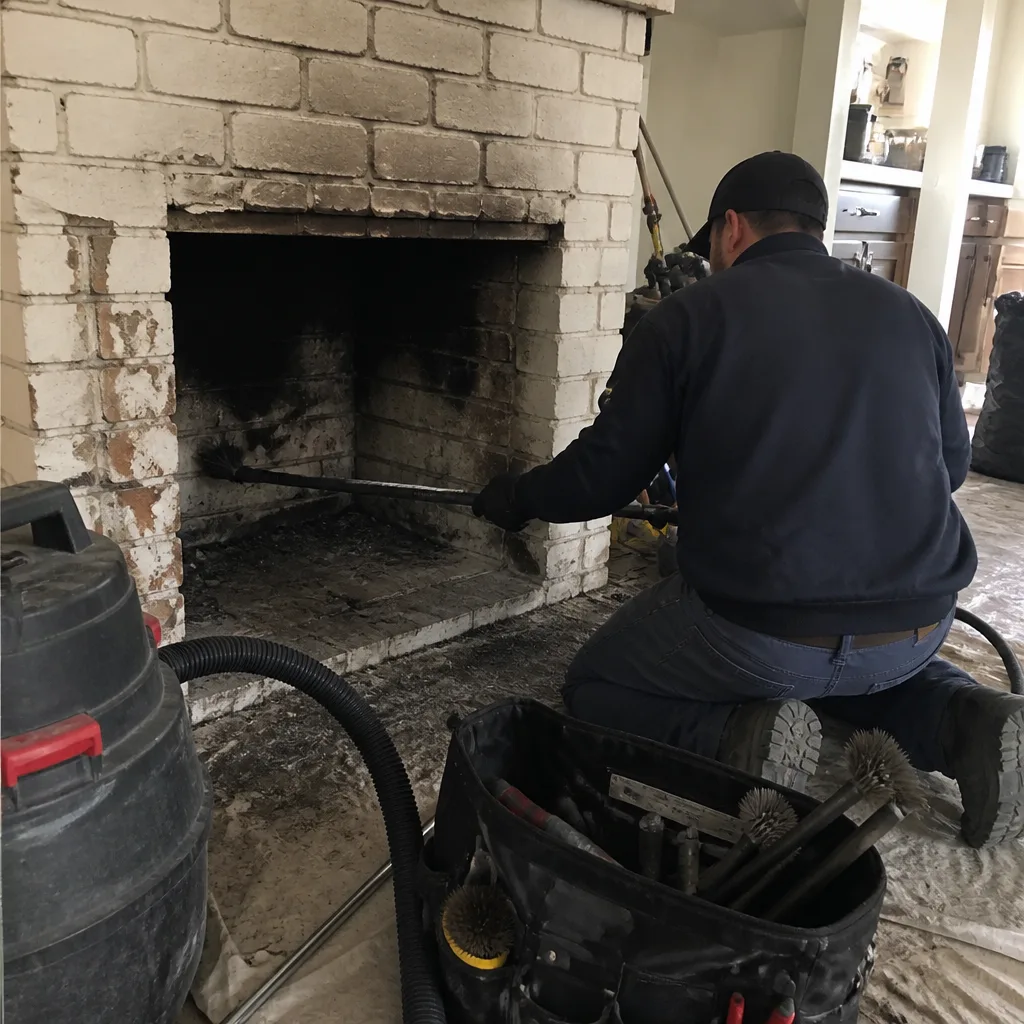 Before
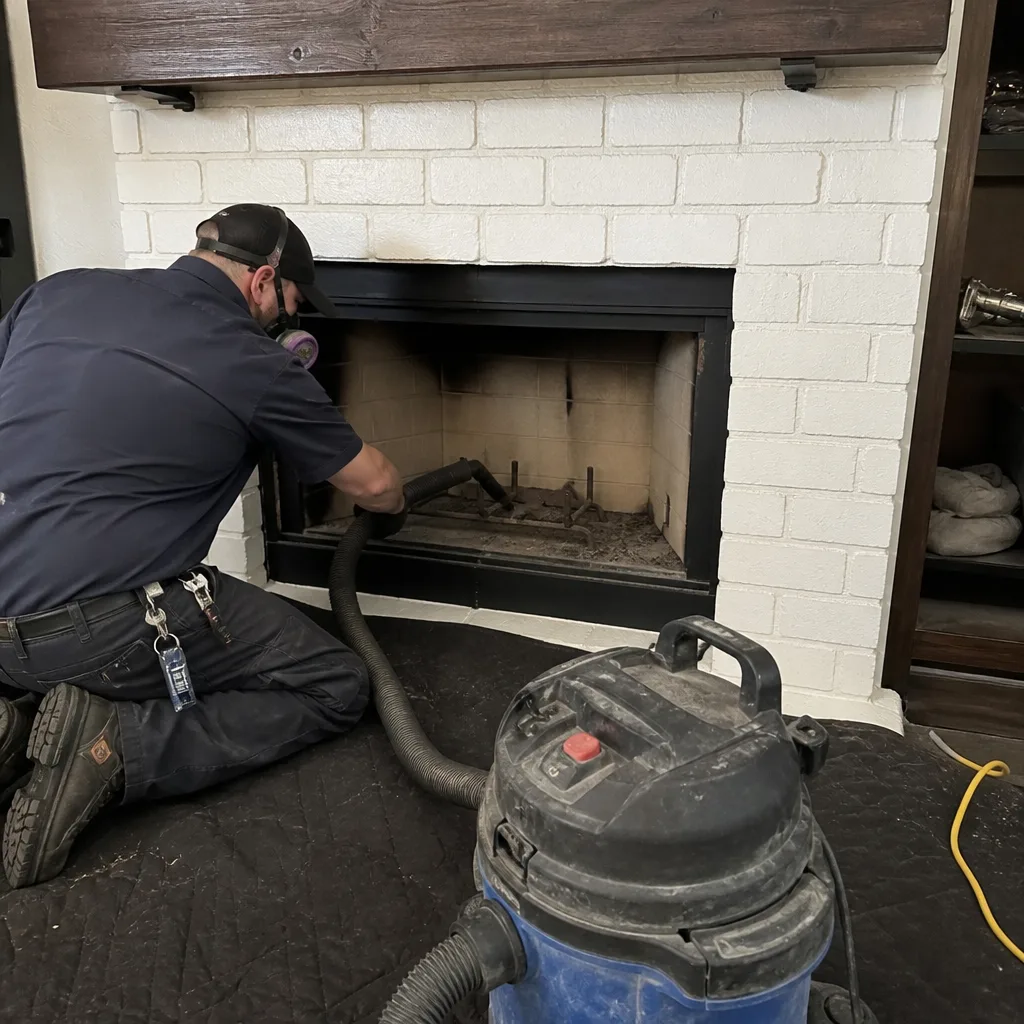 After
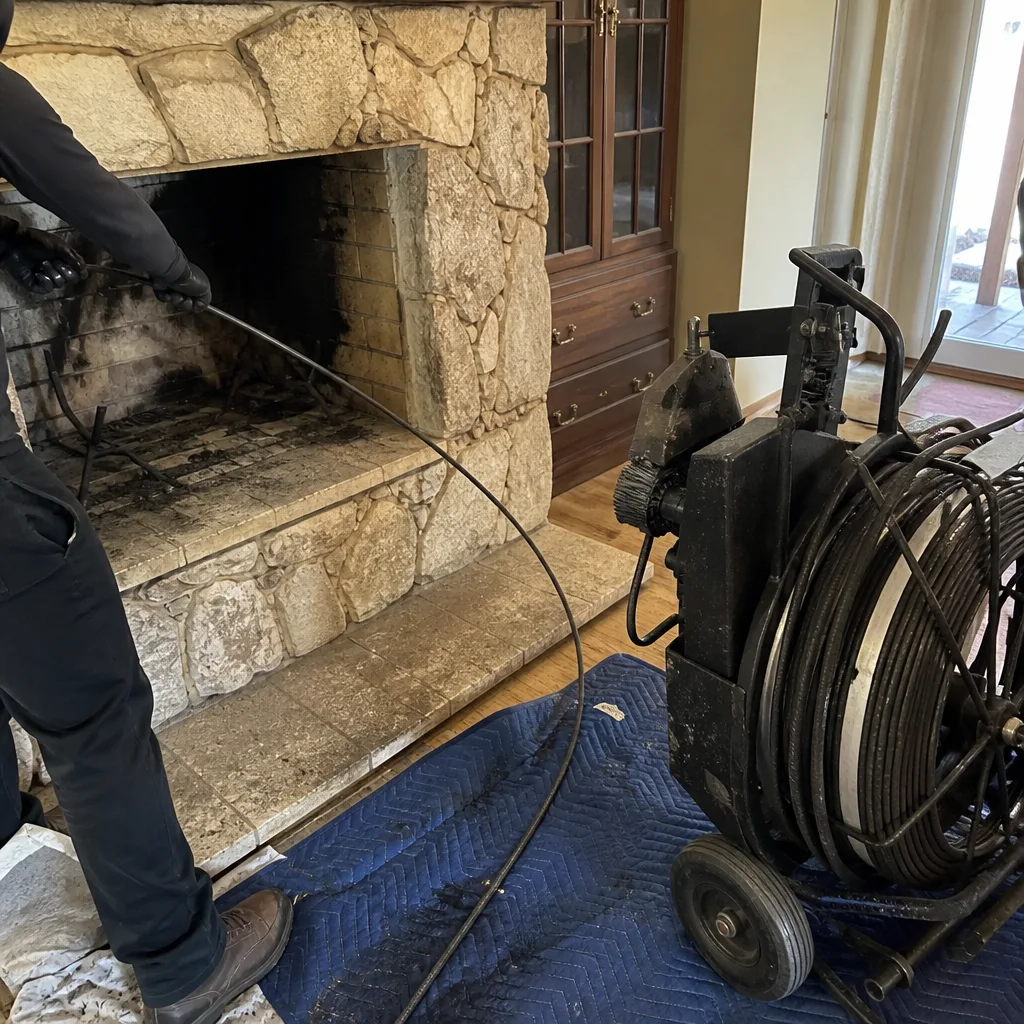 Before
 After
 Before
 After