
Last updated November 2, 2026
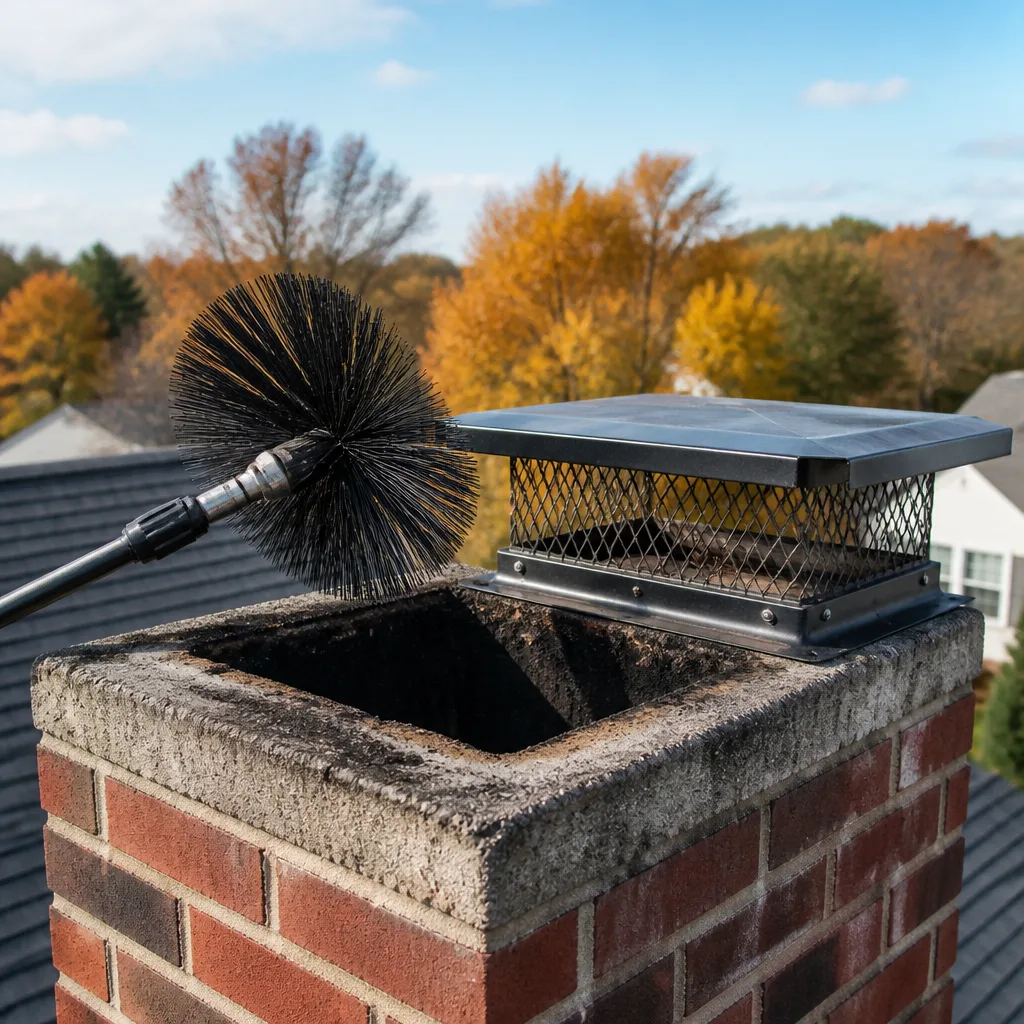 Sweep & inspection
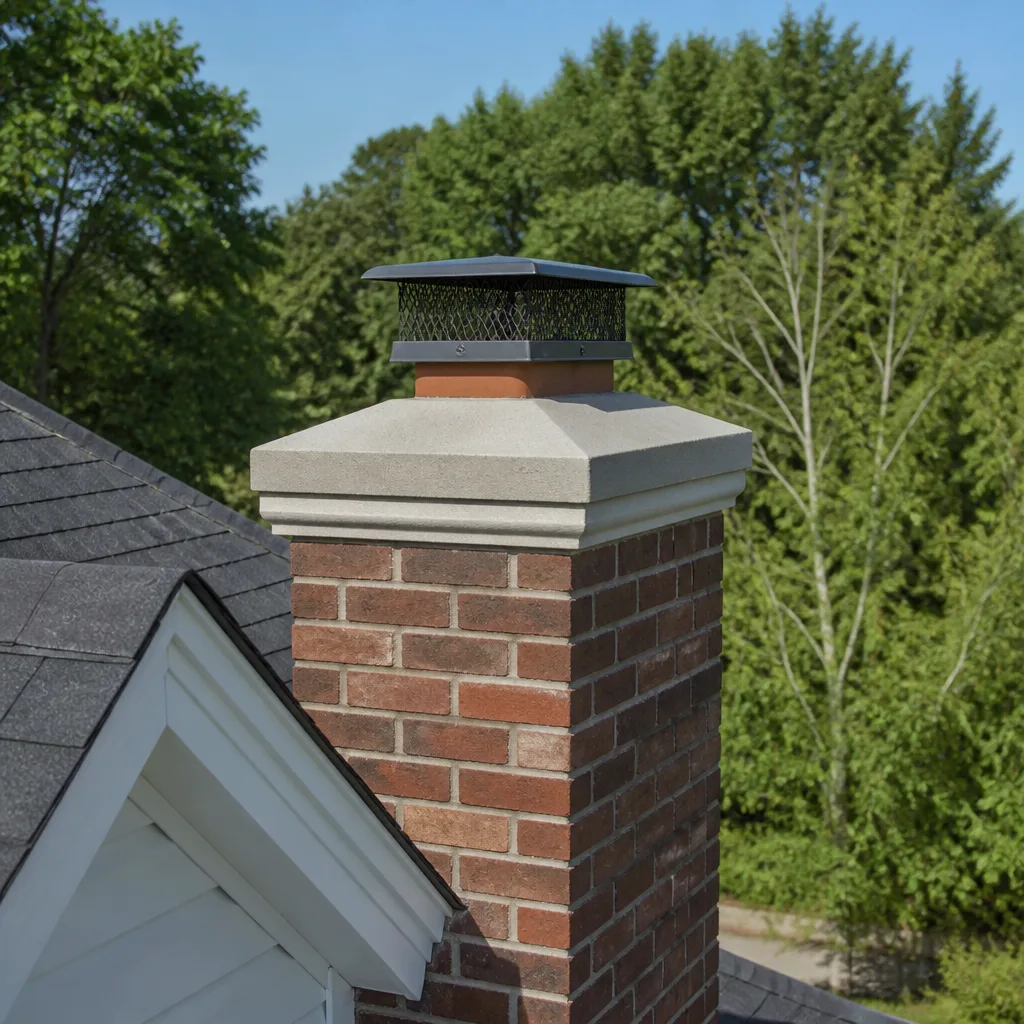 Caps & crowns
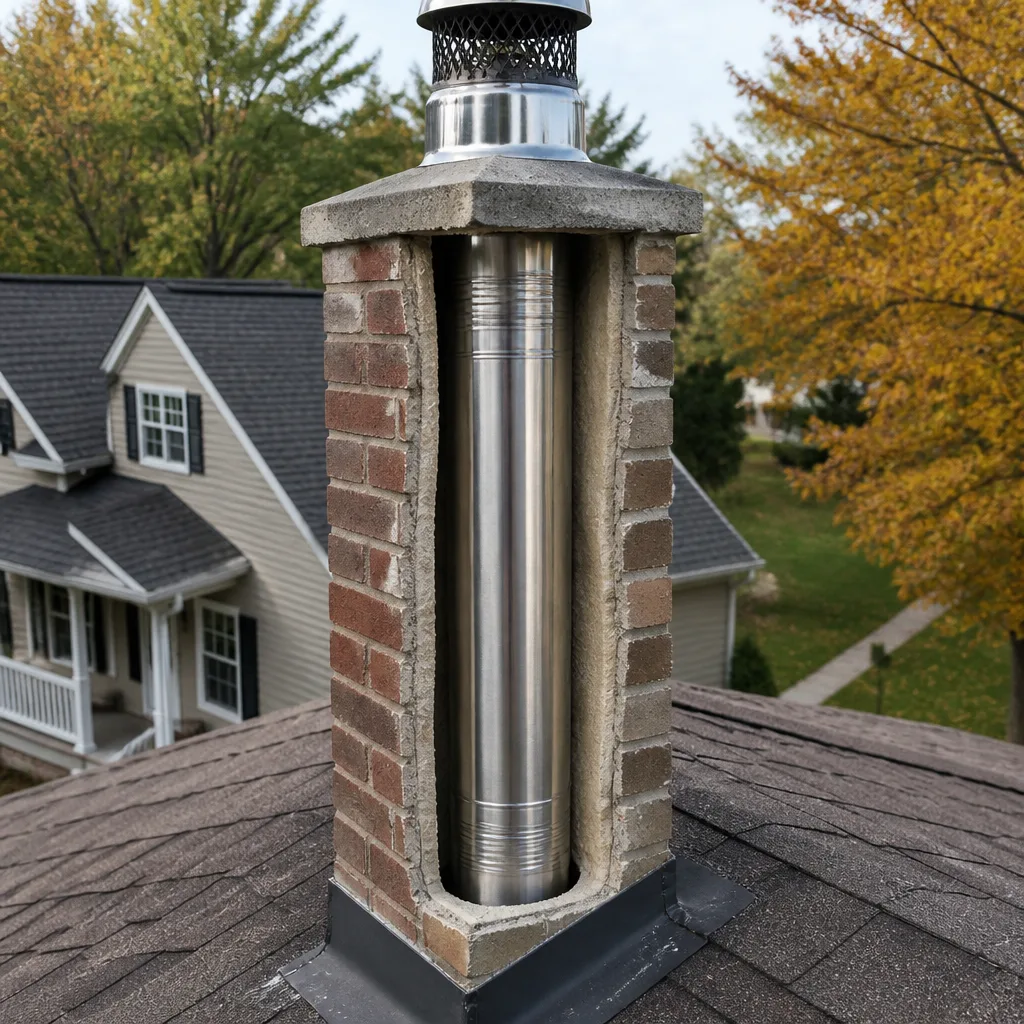 Flue relining
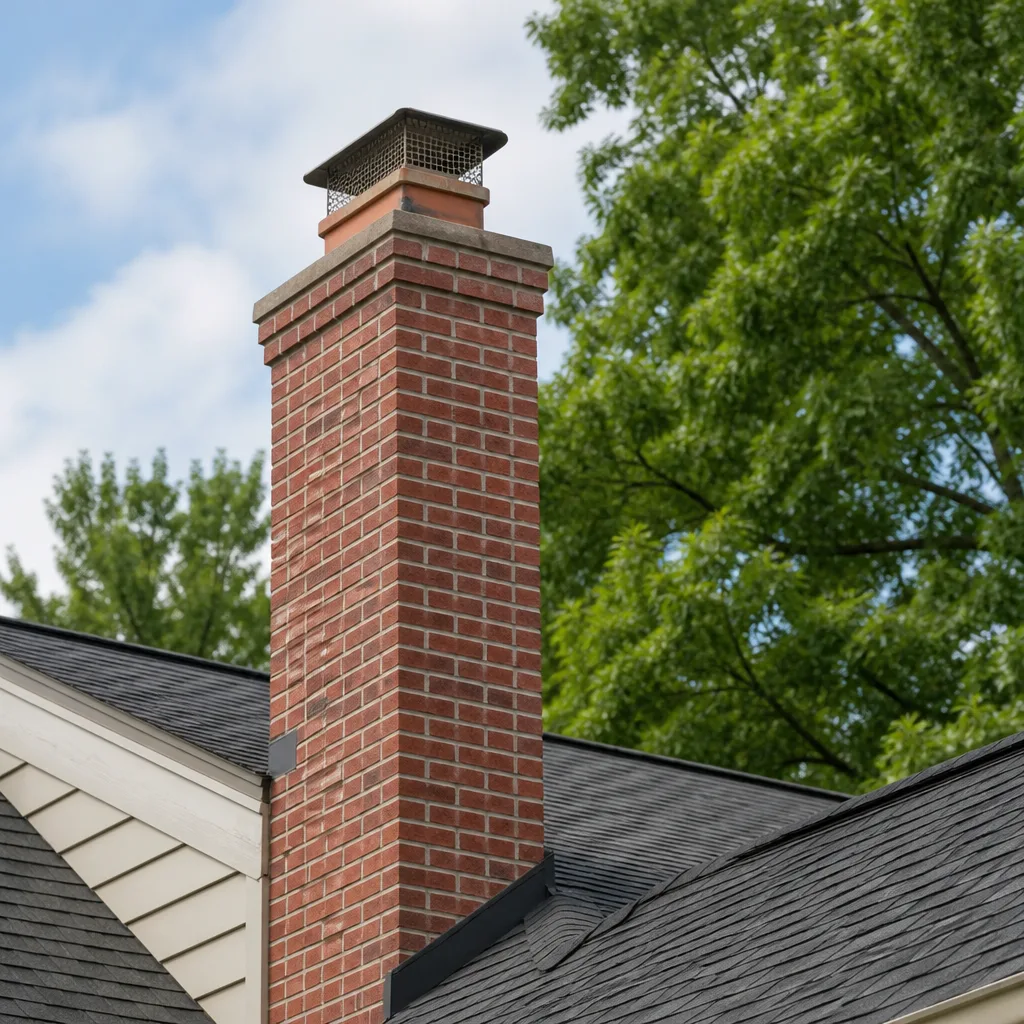 Masonry repair
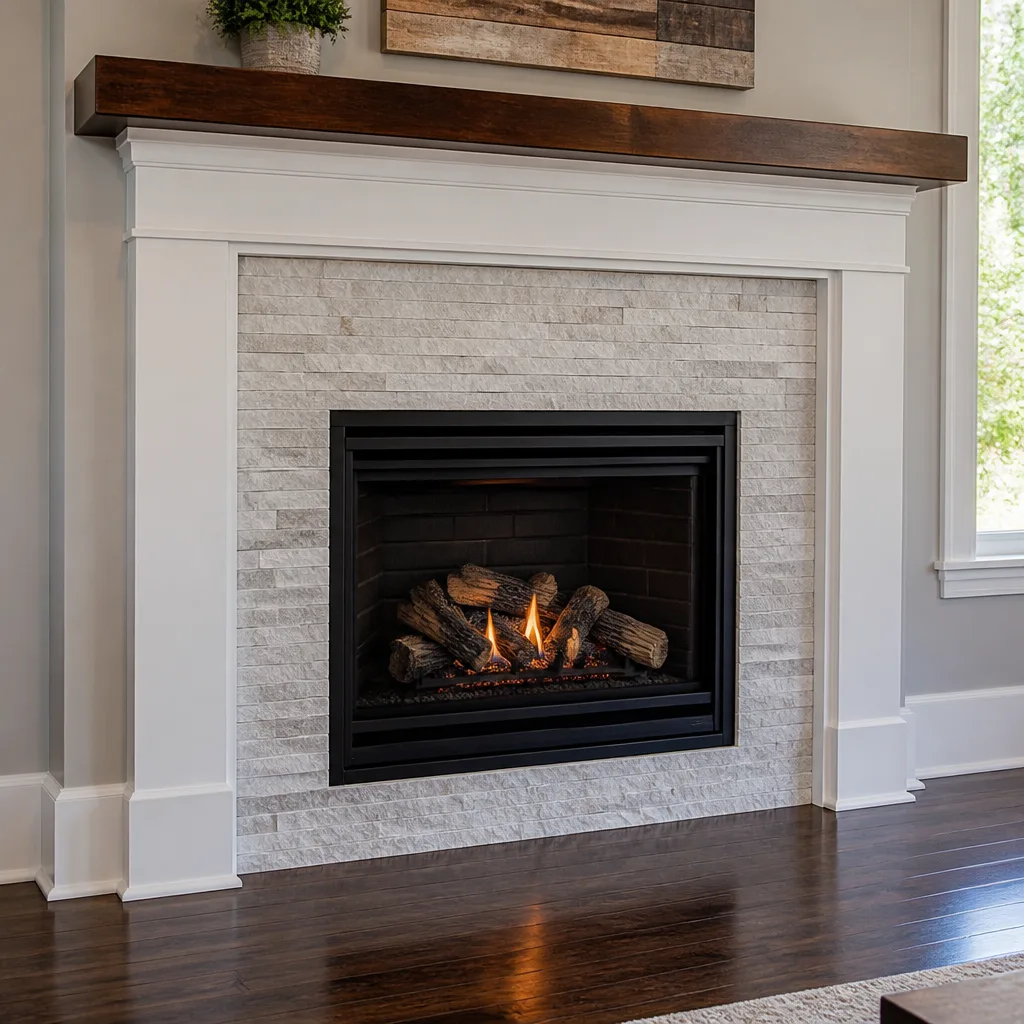 Gas fireplace service
Level 1 sweep and inspection to the NFPA 211 annual standard - flue, crown, cap, and flashing checked and photographed
Chimney sweep logs do not sweep chimneys. They loosen some creosote - which then falls where a brush and vacuum still have to collect it.
Chimney Cleaning Permits, Codes & Inspections in CA: What You Need to Know
A chimney sweep who tells you a full liner replacement “doesn’t need a permit” in California is either uninformed or hoping you won’t ask. CBC Section 1001 and the Chapter 10 provisions apply to any liner system installation, and unpermitted work can void your homeowner’s insurance coverage for fire events. In Chino, the difference between a $200 maintenance sweep and a $6,000 permitted liner job isn’t just the price, it’s the paper trail. This guide draws the exact line between maintenance and permitted work, walks through how the City of Chino’s Building & Safety Division handles chimney permits, and explains what “code-compliant” actually means for the liner in your flue. For Chimney Cleaning Warning Signs: A Chino Homeowner’s Reference Guide, see our companion resource.
Styles & brands we work with
- Sweep & inspection
- Caps & crowns
- Flue relining
- Masonry repair
- Gas fireplace service
Quick Answer
A routine chimney sweep and visual inspection requires no permit anywhere in California, including Chino. The line is crossed the moment you’re doing corrective work: relining, firebox repair, masonry rebuilds above a certain scope, or cap installation on an altered flue. Any liner installation, including a flexible stainless system like DuraFlex, falls under CBC Chapter 10 and requires a permit with City of Chino inspection sign-off.
Table of Contents
- Maintenance vs. Alteration: Where the Permit Line Actually Sits
- How the City of Chino Building & Safety Division Processes Chimney Permits
- Why a CSIA Level 2 Inspection Matters for Chino Permit Applications
- What “Code-Compliant” Means for a Flexible Liner in California
- Title 24 Energy Code and Damper Replacement in Chino
- The Real Cost of Unpermitted Chimney Work in Chino
- Common Mistakes to Avoid
- When to Call a Professional
- Frequently Asked Questions
- The Bottom Line
Maintenance vs. Alteration: Where the Permit Line Actually Sits
The California Building Code draws a practical line between what it calls “maintenance” and what it calls “alteration.” A chimney sweep falls squarely into the first category. Anything that changes the structure, materials, or performance of the flue falls into the second. Here’s how that breaks down for the chimney on a typical Chino home.
No Permit Required: Routine Maintenance
- Standard chimney sweeping – removing creosote and soot from the flue interior using brushes, rods, and vacuum equipment.
- Visual inspection – a Level 1 or Level 2 inspection that documents condition without altering anything.
- Minor cap cleaning or debris removal – clearing leaves, nesting material, or surface rust without replacing components.
- Smoke testing – non-invasive diagnostics to check draft performance.
- Dryer vent cleaning – covered under mechanical ventilation maintenance, not CBC Chapter 10.
Permit Required: Alteration and Repair Work
- Any liner installation or replacement – stainless flexible (DuraFlex), rigid, or poured-in-place systems. This is an alteration to the flue’s pressure boundary.
- Firebox rebuild or repair – replacing refractory panels, parging, or rebuilding the firebox floor.
- Masonry repair beyond surface pointing – rebuilding a crown, relaying brick above the roofline, or structural chimney repairs.
- Flue resurfacing – HeatShield and similar cerfractory sealant systems that change the flue’s interior surface.
- Chimney cap installation on a modified flue – adding a cap is maintenance; reconfiguring the flue termination to accommodate one is alteration.
We’ve walked into Chino homes where a previous owner had a liner installed without pulling a permit. The liner worked, the fire burned fine, no one noticed until the house went up for sale. That’s when the title company flagged the unpermitted alteration, the sale stalled, and the homeowner paid double: once for the original work, again to bring it into compliance. The permit isn’t paperwork. It’s the only documented proof that the work met code.
If you’re unsure whether your chimney needs a sweep or a structural repair, start with an inspection from a Chimney Sweep in Chino that documents what’s actually there. The inspection report tells you which side of the permit line you’re on.
How the City of Chino Building & Safety Division Processes Chimney Permits
Chino’s Building & Safety Division operates under the California Building Standards Code with local amendments. For chimney work, the permit process follows a predictable path. Here’s what to expect, step by step.
- Determine scope. A liner replacement or firebox rebuild is a building permit. A sweep is not. Know which you’re filing before you start.
- Prepare documentation. You’ll need a scope of work description, product specifications for any liner or component being installed, and typically a CSIA Level 2 inspection report if the work is corrective rather than new construction.
- Submit the permit application. Chino accepts applications through the Building & Safety Division. Residential chimney permits for liner work typically process in one to two weeks depending on current volume.
- Pay the permit fee. Fees are calculated on a valuation basis. A typical residential liner replacement in Chino carries a permit fee in the range of $150 to $400, though the final number depends on the declared scope and any plan review requirements.
- Complete the work. The contractor performs the repair or installation to the specifications stated in the permit application.
- Schedule the inspection. A Chino building inspector reviews the completed work, verifies the liner listing, checks clearances, and signs off if everything matches the permitted scope.
The inspection step is where product specifications matter. If the permit says “UL 1777 listed flexible stainless liner” and the installer shows up with an unlisted knockoff, the inspection fails. That’s the moment where sourcing from named product lines like DuraFlex or Copperfield stops being a preference and becomes the difference between passing and redoing the job. Permitted work lives or dies by the spec sheet.
For Chino homeowners who heat with wood through the winter, pulling the permit before burning season starts is the smart play. The Building & Safety Division processes fewer residential applications in the spring, and you won’t be mid-winter without a working fireplace while paperwork clears.
Why a CSIA Level 2 Inspection Matters for Chino Permit Applications
A CSIA Level 2 inspection is the documentation standard that California permit offices recognize as pre-condition evidence. When you file for a liner replacement or firebox repair in Chino, the application typically requests a documented reason for the work. A Level 2 report provides exactly that: an objective, photographed, measured assessment of the flue’s condition from a certified inspector.
Here’s what a Level 2 inspection includes that a standard sweep doesn’t:
- Video scanning of the flue interior – a camera runs the full length of the liner to document cracks, gaps, spalling, or missing sections.
- Clearance verification – the inspector checks that combustible framing maintains required distances from the flue.
- Attic and crawlspace inspection – Level 2 covers accessible areas adjacent to the chimney chase, not just the firebox.
- Documented photographic evidence – the report includes images that the permit office can review as part of the application.
The report functions like a doctor’s referral. The permit office doesn’t approve a liner replacement because you said the chimney is old. They approve it because a certified professional documented a specific failure: a cracked flue tile at the 12-foot mark, a 3/8-inch gap between clay sections, creosote saturation that cannot be safely removed. The specificity is what moves the application forward.
In Chino’s older housing stock, particularly homes built before 1980, we frequently see unlined masonry chimneys or clay tile liners that have separated at the mortar joints. A Level 2 inspection catches these before the permit process even starts, which means the application goes in with a clear cause and scope. The alternative is filing blind, having the permit office request additional documentation, and watching the timeline stretch.
If you need a documented condition assessment for a permit application or a home sale, the Chimney Sweep Chino home service details cover what our inspections include.
What “Code-Compliant” Means for a Flexible Liner in California
California adopts the International Residential Code with state amendments. For chimney liners, the governing standard is CBC Chapter 10, which adopts UL 1777 as the listing requirement for flexible chimney liner systems. If you’re installing a stainless flexible liner in Chino, here’s what the code actually requires.
UL 1777 Listing
The liner must be tested and listed to UL 1777, the standard for chimney lining systems. This is non-negotiable. A liner without a UL 1777 listing does not meet code in California, period. DuraFlex systems carry this listing and are among the most commonly specified flexible stainless liners in residential relining work. When a Chino inspector checks the liner, the first thing they look for is the listing mark on the installation documentation.
Clearance to Combustibles
Flexible liners installed in a masonry chimney must maintain the clearances specified in the liner’s listing. In most installations, the surrounding masonry provides the required thermal boundary, but the listing dictates minimum airspace between the outer liner wall and the masonry interior. Installers in Chino’s older homes often deal with irregular flue dimensions, which is where proper sizing and insulation selection determines whether the installation can pass inspection.
Termination Height
The CBC requires chimney terminations to extend at least 3 feet above the point where they exit the roof and at least 2 feet above anything within a 10-foot horizontal radius. This rule catches more Chino homeowners off guard than any other code provision. A chimney that exits low on a roof slope or sits downhill from a taller gable may need a taller termination than the homeowner expected. The fix is often an extended cap or additional flue section, which is a documented part of the permitted scope.
Appliance Compatibility
The liner must be sized and rated for the appliance it serves. A wood stove makes different demands than a gas insert. A liner specified for a zero-clearance fireplace may not be legal for an open-hearth wood burner. This is where naming the actual product matters. The right liner for your flue, not the cheapest one that fits. In our experience, Chino inspectors check liner diameter against appliance manufacturer requirements before signing anything.
HeatShield is a different category entirely. It’s not a liner replacement; it’s a cerfractory sealant system that resurfaces the existing flue. When the underlying masonry is sound but the liner surface has deteriorated, HeatShield can extend flue life without a full relining. It’s a legitimate code-recognized repair method in many circumstances, but it carries its own documentation requirements for permit applications where approval is based on the condition assessment rather than a new liner listing.
Title 24 Energy Code and Damper Replacement in Chino
California’s Title 24 energy code doesn’t just regulate windows and insulation. It sets standards for fireplace dampers, and Chino homeowners replacing a damper need to know which ones meet the requirement. Title 24 requires that newly installed fireplaces and certain replacement components meet minimum energy performance standards. The practical effect for a damper replacement is this: a traditional throat damper, the kind that’s been in masonry fireplaces for a century, is code-minimum. It meets the letter of the law but leaks air constantly.
Sealed dampers, the type that mount at the flue top and close with a gasket seal, outperform the code requirement. They stop the stack effect that pulls conditioned air up the chimney year-round. In Chino’s climate, where summer cooling demand is significant, a leaky throat damper means the air conditioner runs harder while conditioned air escapes through an open flue. The energy loss is measurable, and Title 24 specifically addresses fireplace air leakage as an energy performance issue.
When we replace dampers in Chino homes, we specify products through our supplier lines that meet or exceed Title 24 requirements. Famco produces damper and ventilation products that we use for repair and replacement work. The difference between a code-minimum throat damper and a sealed top-mount damper is roughly $200 to $400 in material cost, and the sealed version pays that back in reduced energy loss within a few seasons. From a code perspective, both can pass. From an energy performance perspective, one of them actually solves the problem.
For homeowners doing permitted firebox work, the damper is part of the inspected scope. If you’re already in there, upgrading to a sealed damper while the permit is open is the most cost-effective time to do it. Retrofitting later means another permit cycle and another inspection.
The Real Cost of Unpermitted Chimney Work in Chino
Unpermitted chimney work in California doesn’t just create a code violation. It creates a chain of liability that follows the property. Here’s what’s actually at stake when a liner or firebox repair gets done without a Chino permit.
- Insurance coverage. If a fire event traces back to a chimney component that was installed without a permit, the insurer can deny the claim. The policyholder signed a contract that requires all work to comply with local code. Unpermitted alteration is a breach of that contract.
- Property sale disclosure. California requires sellers to disclose known unpermitted work. A buyer’s inspector will flag the chimney. The buyer’s lender may refuse to fund until the work is retroactively permitted, which means paying for the permit, the inspection, and any correction work under time pressure.
- Correction costs. When the unpermitted work doesn’t meet code, the homeowner pays for removal and correction. A liner installed without proper clearance or termination height has to be pulled and redone. The original install is a total loss.
- Retroactive permit penalties. Chino, like most California cities, can require a retroactive permit for discovered unpermitted work. The fee is typically higher than the original permit would have been, and the inspection is more rigorous.
- Component failure without documentation. If an unpermitted liner fails and damages the flue, there’s no inspection record to establish what was installed or who installed it. The warranty on the liner, if one existed, is unenforceable without permit documentation.
The math is simple. A Chino permit for a liner replacement costs a few hundred dollars. The insurance denial, sale delay, or correction work that follows a discovered unpermitted liner costs thousands. The permit is the cheaper insurance policy, and it’s the only one that actually proves the work happened the right way.
Common Mistakes to Avoid
- Trusting a contractor who says permits aren’t needed for a liner. Any liner installation triggers CBC Chapter 10. A contractor who claims otherwise is either uninformed or avoiding the paperwork. In either case, walk away.
- Skipping the Level 2 inspection to save $150. The inspection report is the documentation that supports the permit application. Filing without it usually means the permit office requests it anyway, which delays the project.
- Replacing a damper without checking Title 24 requirements. A code-minimum throat damper passes inspection but leaks conditioned air constantly. In Chino’s summer climate, that’s an ongoing cooling cost, not a one-time savings.
- Installing a liner without verifying the UL 1777 listing. Unlisted liners fail inspection. The listing is the first thing a Chino inspector checks. If the liner doesn’t have it, the work gets redone.
- Treating a masonry chimney as if it doesn’t need a liner. Pre-1980 Chino homes often have unlined or separated clay tile chimneys. Using one without a proper liner is a structural and fire-safety problem that a permit-triggering repair will eventually address.
- Assuming the chimney cap replacement never needs a permit. Swapping a cap on an existing termination is maintenance. Changing the flue configuration to accommodate a different cap style is alteration. Know which one you’re doing.
- Waiting until October to start the permit process. Chino’s Building & Safety Division sees residential applications spike before heating season. Filing in spring or summer means faster processing and an inspected chimney before the first fire.
When to Call a Professional
A rusty damper, visible creosote, or a smoky firebox is a sign the flue needs attention, but the specific fix isn’t always obvious without looking inside. If water comes down the chimney during rain, the crown or flashing has failed. If the fire burns sluggishly or smoke spills into the room, the flue is undersized, blocked, or drafting incorrectly. If a Level 2 inspection shows cracked or separated liner sections, the chimney is no longer safe to use until the liner is addressed. None of these are maintenance issues. All of them require a documented assessment and, in most cases, a permit. For repairs that cross the permit line, Chimney Repair in Chino covers the work scope we handle, from firebox rebuilds to full relining. Chimney Sweep Chino offers free estimates in Chino – call (866) 321-6641.
Frequently Asked Questions
The National Fire Protection Association recommends a sweep whenever creosote buildup reaches 1/8 inch, and at minimum once per year for wood-burning fireplaces used regularly. In Chino, where winter burn season runs roughly November through March, an annual sweep before first use catches accumulated creosote and any nesting debris from the off-season. Homes that burn green or unseasoned wood may need a mid-season sweep. Call (866) 321-6641 for a free estimate – we’ll advise on your burn schedule.
Creosote builds up as a hard, flammable glaze on the flue walls. A hot fire can ignite it, causing a chimney fire that burns at over 2,000 degrees, cracks the liner, and spreads to framing. Even without a fire, heavy buildup restricts draft, pushes smoke into the living space, and accelerates liner corrosion. The annual sweep costs a fraction of the repair work that follows a chimney fire or years of neglected buildup.
The answer depends on the liner’s condition, documented by a Level 2 video scan. Minor surface cracks and flue tile gaps can often be addressed with a HeatShield cerfractory resurfacing system that seals the flue without full relining. Extensive cracking, missing tile sections, or structural separation requires a full liner installation, typically a UL 1777 listed flexible stainless system like DuraFlex. For help diagnosing these issues, consult our Chimney Sweep Troubleshooting: Common Problems and How to Fix Them. No repair should be recommended without camera evidence you can see for yourself. Call (866) 321-6641 to schedule an inspection – we’ll show you exactly what the flue looks like before recommending anything.
A chimney sweep is a cleaning service that removes creosote and soot. A Level 2 inspection is a documented condition assessment that includes video scanning, clearance verification, and photographic evidence. Most standard annual service includes a Level 1 visual check. A Level 2 is warranted when a property changes hands, after a chimney fire, after an earthquake, or when a permit application requires documented flue condition.
Residential chimney permits in Chino are calculated on valuation, with typical fees running $150 to $400 for a liner replacement or firebox repair. The exact number depends on the declared scope, any required plan review, and the inspection fees. A permitted job costs more upfront than an unpermitted one, and it’s the only version that preserves insurance coverage and resale value.
No. Dryer vent cleaning is a maintenance service with no permit requirement. But it matters for reasons beyond the dryer. Lint buildup is a leading cause of residential fires, and we treat Dryer Vent Cleaning in Chino as safety-critical work, not an add-on. If your dryer takes two cycles to dry a load, the vent is already restricted. Call (866) 321-6641 to schedule a cleaning.
The Bottom Line
A chimney sweep in Chino requires no permit. Anything that alters the flue, firebox, liner, or termination does. The California Building Code, Title 24 energy standards, and Chino’s Building & Safety Division all line up behind the same principle: maintenance is free, alteration is documented. The permit is the proof the work met code, and that proof is what keeps your insurance intact and your home sale from stalling. Whether you need a sweep before burn season or a documented inspection to support a permit application, Chimney Sweep Chino makes the call at (866) 321-6641. Explore more guides & resources on our blog. We specify products by name because materials matter – and we’ll show you the documentation before any work begins.
Written by the team at Chimney Sweep Chino, serving Chino since 2011.
See the difference
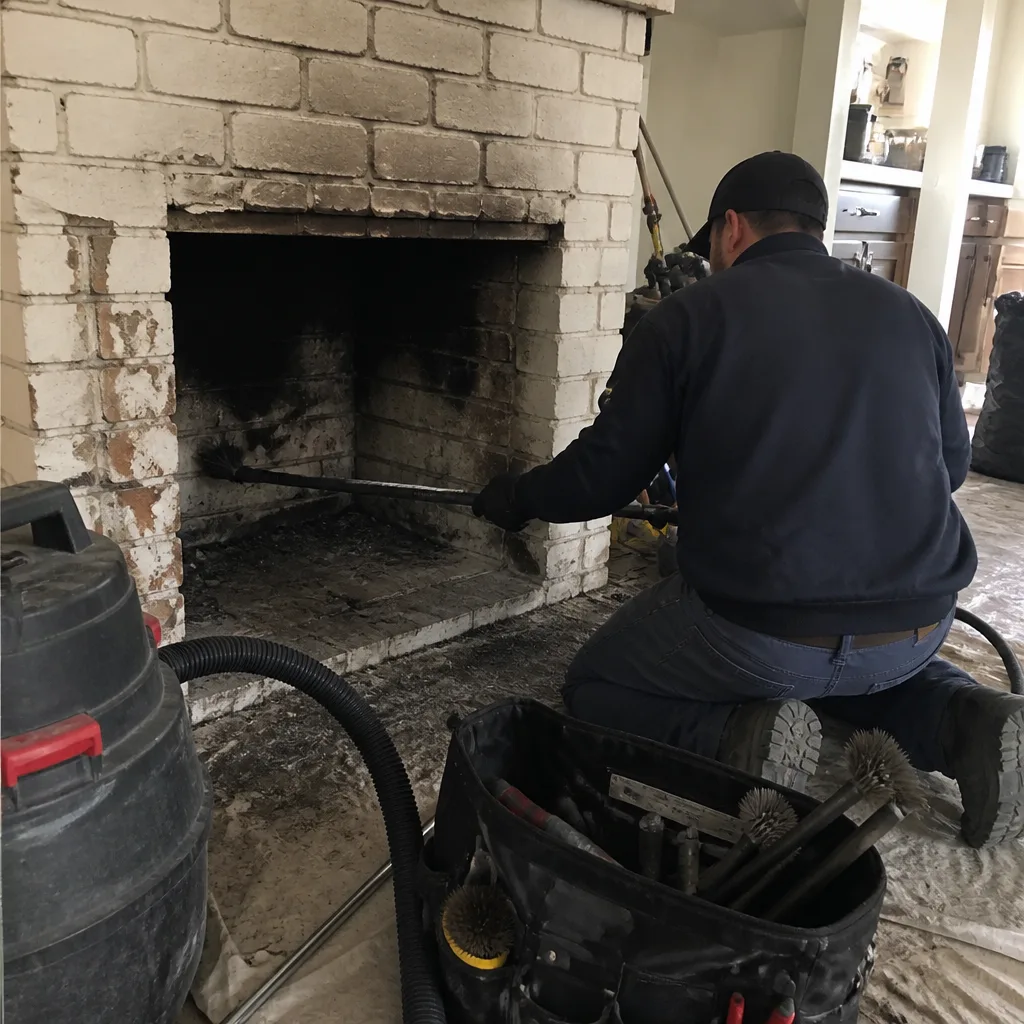 Before
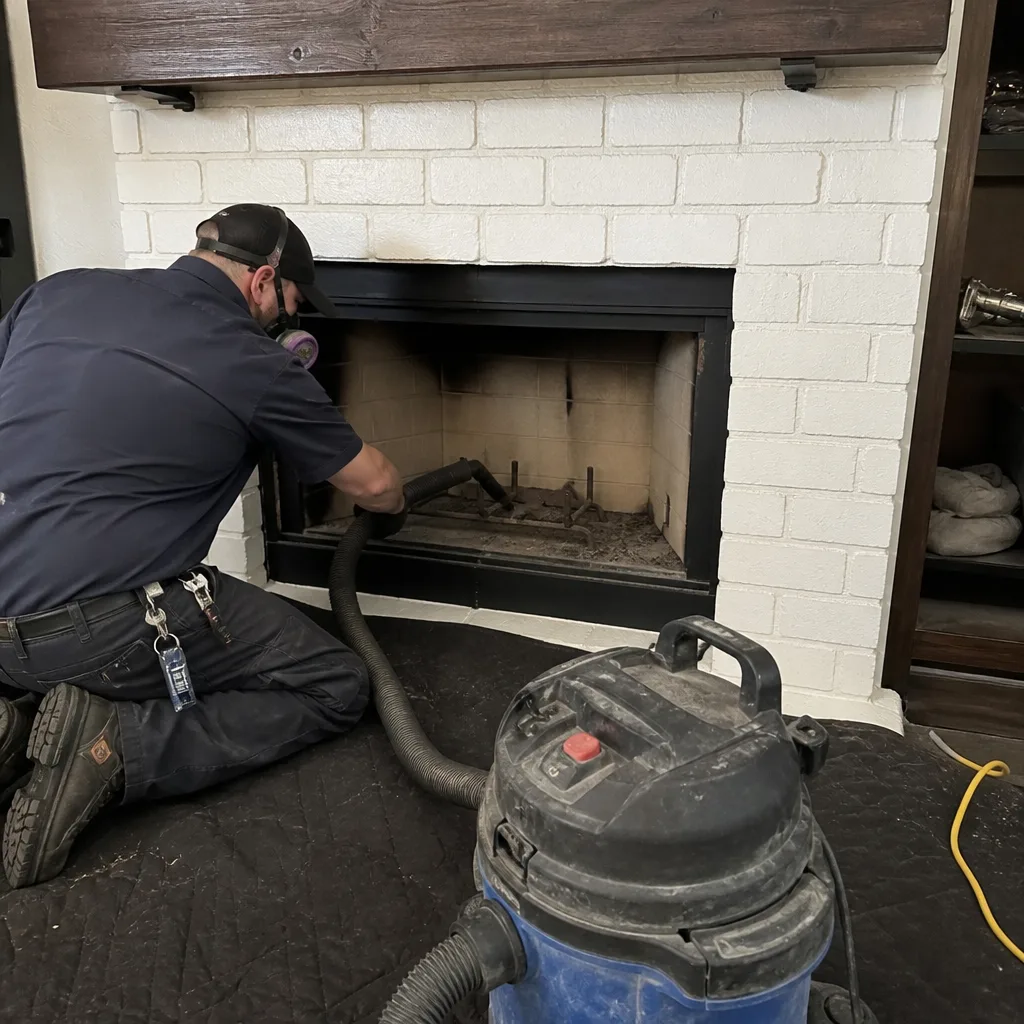 After
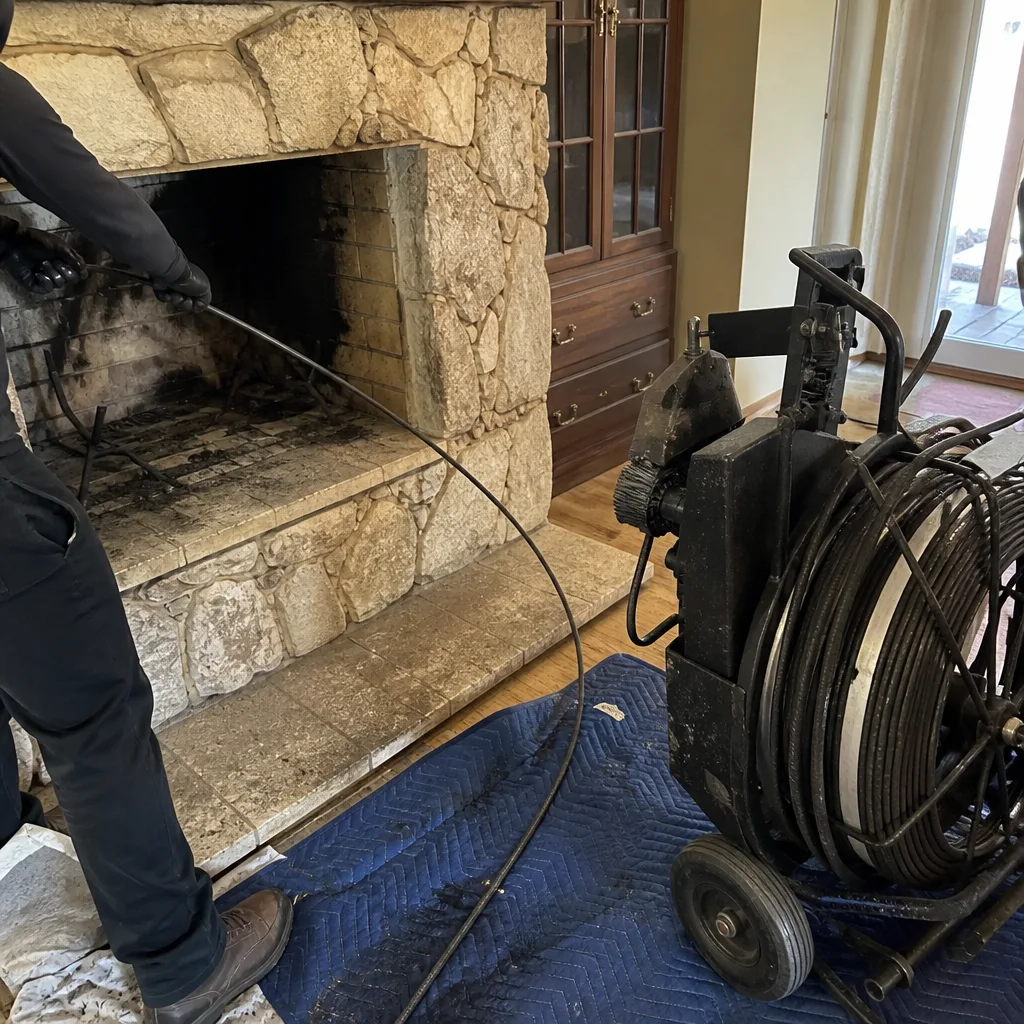 Before
 After
 Before
 After