
Last updated November 3, 2026
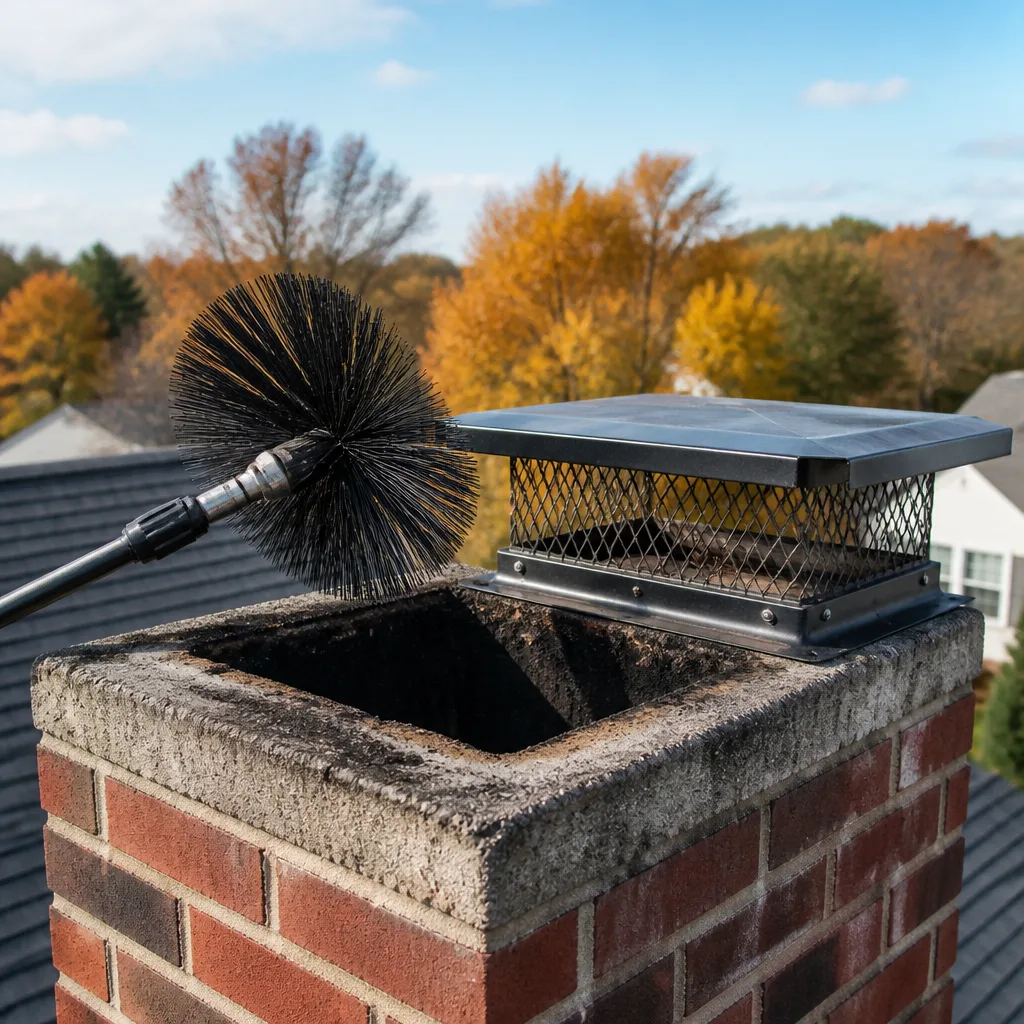 Sweep & inspection
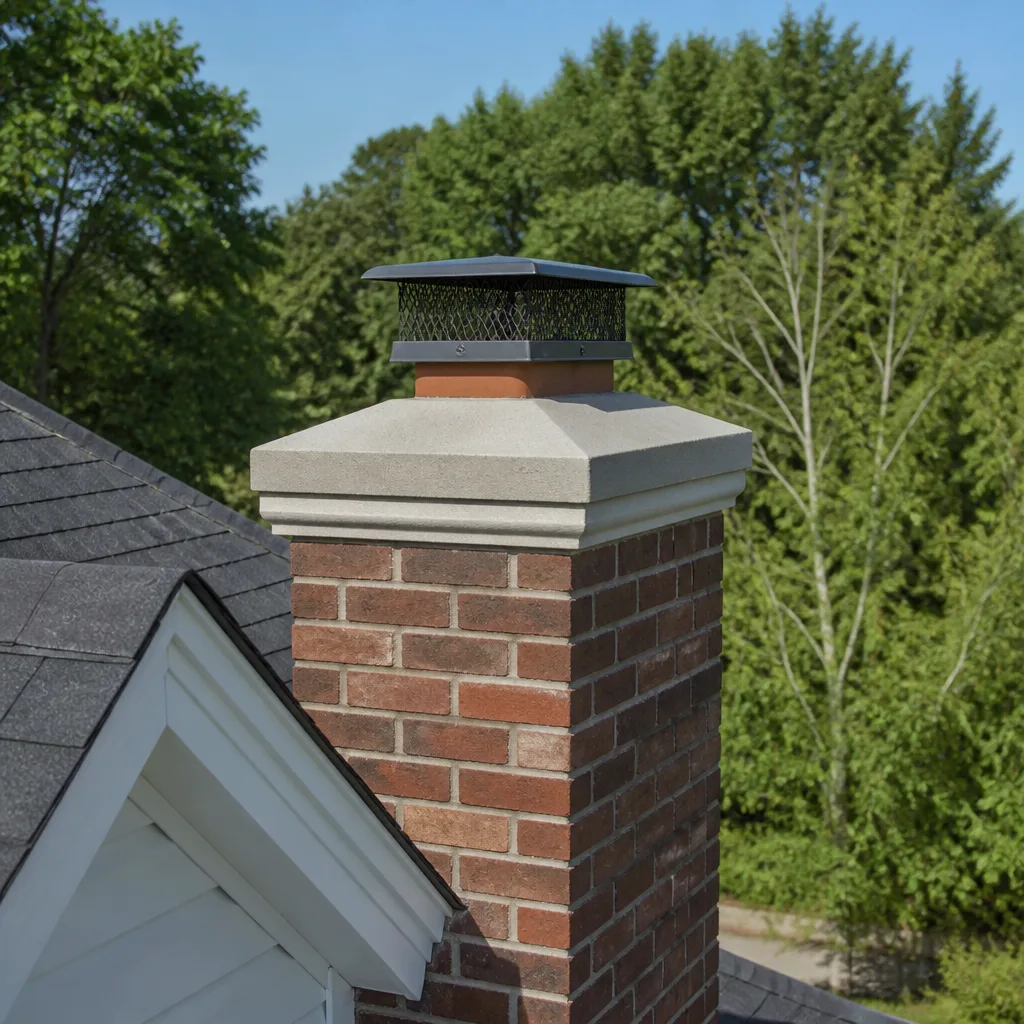 Caps & crowns
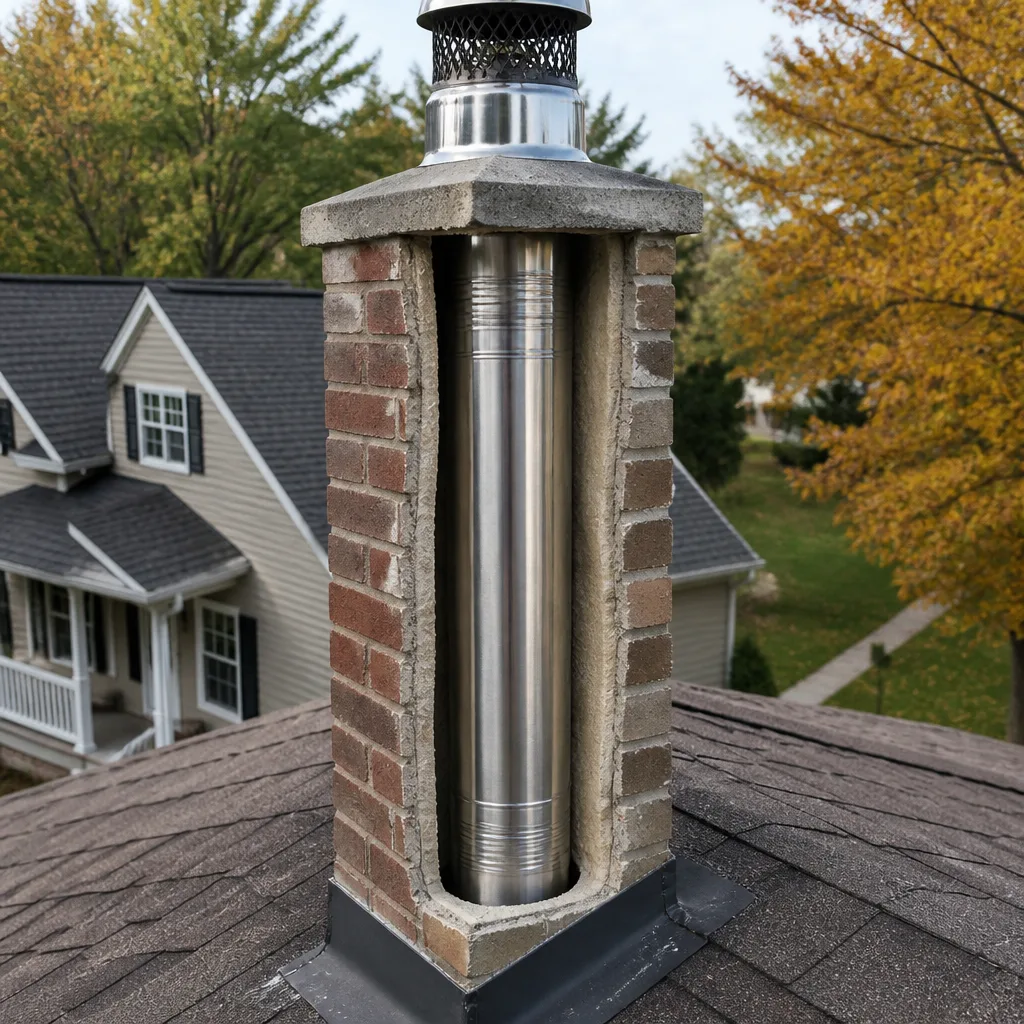 Flue relining
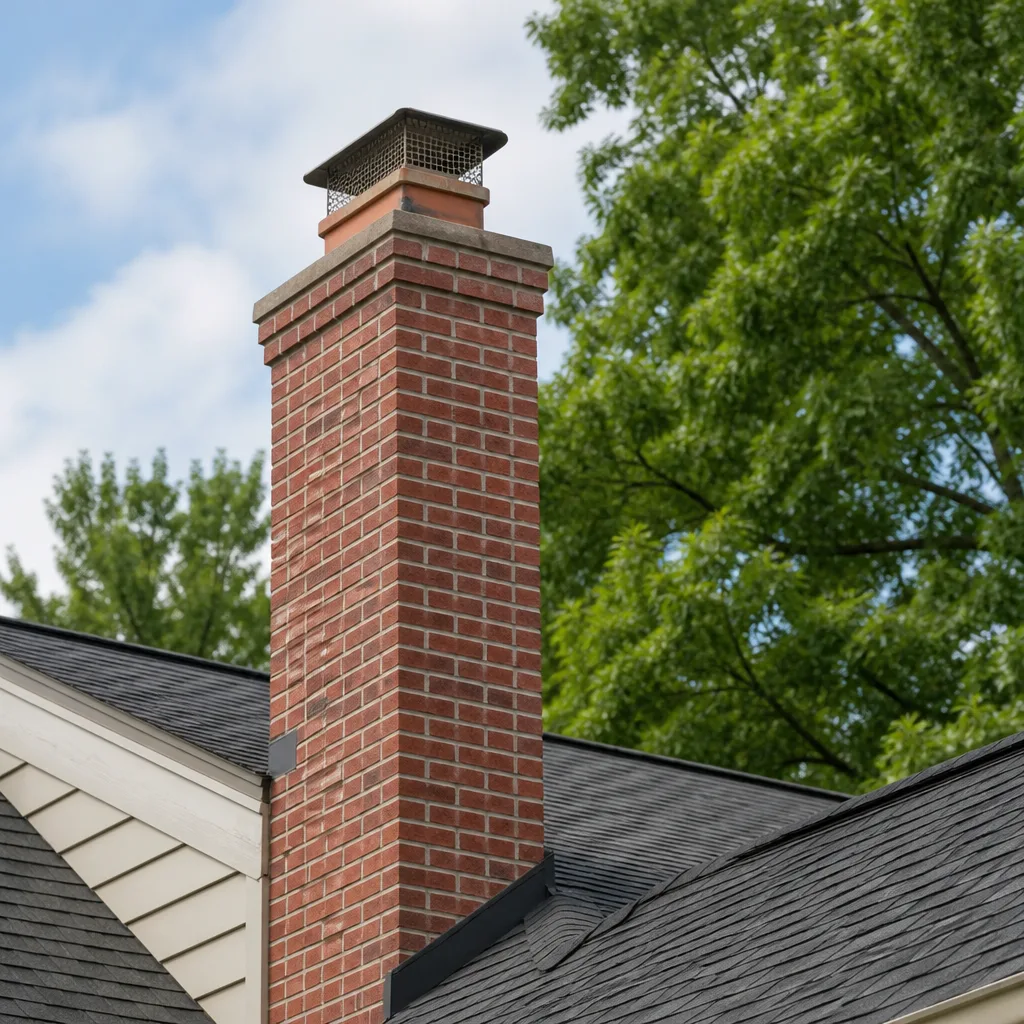 Masonry repair
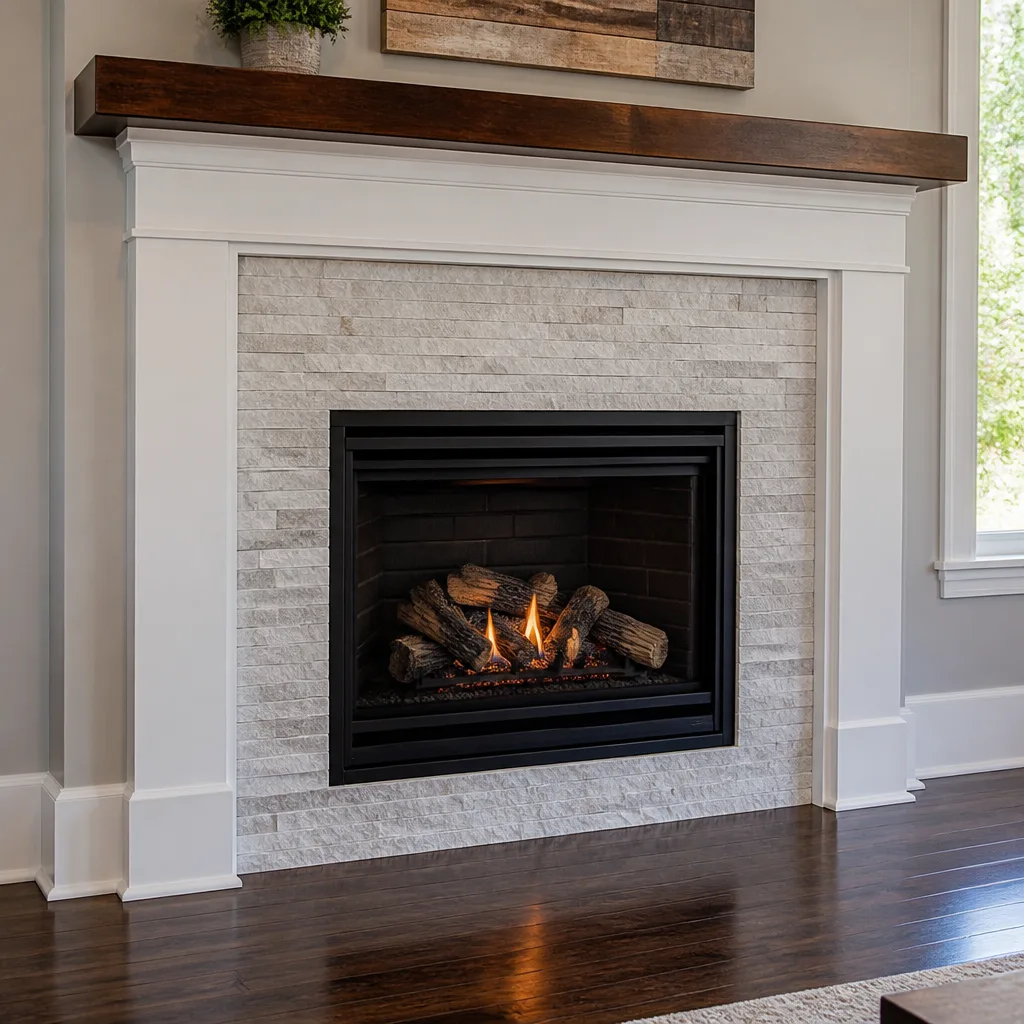 Gas fireplace service
Level 1 sweep and inspection to the NFPA 211 annual standard - flue, crown, cap, and flashing checked and photographed
Chimney sweep logs do not sweep chimneys. They loosen some creosote - which then falls where a brush and vacuum still have to collect it.
The Complete Chimney Sweep Guide for Chino Homeowners
Here’s a pattern we see constantly in Chino: a homeowner fires up the fireplace maybe 12 nights a year, figures that low usage means the chimney stays clean, and skips the annual sweep for five or six years. Then one December evening the smoke starts backing into the living room, or worse, they hear a crackling sound behind the wall. What actually happens in Chino’s mild climate is that infrequent burning produces a stickier, more concentrated form of creosote than heavy daily use does. This guide explains why that happens, what our Chimney Sweep services actually involve, what you should expect to pay, and how to schedule maintenance around Chino’s actual weather patterns, not a generic “before winter” template.
Styles & brands we work with
- Sweep & inspection
- Caps & crowns
- Flue relining
- Masonry repair
- Gas fireplace service
Quick Answer
Chimney sweeps in Chino typically cost $149 to $279 for a standard Level I inspection and cleaning, and should be done annually even if you only burn 10 to 15 nights a year. Chino’s mild climate and low-frequency burning patterns create Stage 2 glazed creosote, a hard, tar-like deposit that accumulates faster than the dry, flaky Stage 1 creosote common in colder climates. Work with a chimney company that uses rotary cleaning systems and video inspection, not just a rod and brush. See The Complete Guide to Chimney Cleaning in Chino for full details on what to expect.
Table of Contents
- Why Chino’s Climate Creates a Different Creosote Problem
- Understanding CSIA Inspection Levels: What You’re Paying For
- What a Spec-Grade Sweep Actually Does Differently
- How Chino’s Local Debris Affects Your Flue
- How Much Does a Chimney Sweep Cost in Chino?
- A Seasonal Scheduling Calendar for Chino Homeowners
- When a Sweep Isn’t Enough: Liner Repair and HeatShield
- Why Dryer Vent Cleaning Belongs in Your Fire-Safety Plan
- Common Mistakes to Avoid
- When to Call a Professional
- Frequently Asked Questions
- The Bottom Line
- Author
Why Chino’s Climate Creates a Different Creosote Problem
Creosote forms in three stages, and which stage you get depends heavily on burn temperature and burn frequency. Stage 1 creosote is the flaky, grayish-black soot that brushes off easily. Stage 2 is a hardened, shiny, tar-like glaze that requires mechanical removal. Stage 3 is a thick, crystallized layer that can restrict your flue opening by 50% or more and is a serious fire hazard.
The conventional wisdom says heavy use creates heavy buildup. That’s true for Stage 1 creosote in cold regions where people burn daily through five-month winters. But Chino’s pattern produces something different. When you light a fire only occasionally, the flue never reaches and holds a consistently high temperature. Each fire starts cold, smolders through its early phase, and produces condensation inside the chimney before the system warms enough to vent efficiently. That condensation traps combustion byproducts against the flue walls. Repeated 10 to 15 times a season, this bakes into Stage 2 glaze rather than flaking off. We’ve pulled harder, thicker deposits from low-use Chino fireplaces than from homes that burn every weekend through a full winter.
Gas fireplace owners in Chino aren’t exempt either. A vented gas log set produces acidic moisture that corrodes flue liners over time, even at relatively low operating temperatures. The buildup looks different, more like a white or gray scale, but it damages clay tile liners at roughly the same rate as creosote does in wood systems.
The practical takeaway: the annual sweep recommendation applies to Chino homeowners equally, if not more strongly, than it does in cold-climate markets. Low use is not a reason to skip. It’s a reason to be more consistent.
Understanding CSIA Inspection Levels: What You’re Paying For
The Chimney Safety Institute of America defines three inspection levels, and knowing which one you need prevents both overpaying and under-inspecting.
- Level I Inspection: This is the standard inspection included with most chimney sweep appointments. The technician examines the readily accessible portions of the chimney interior and exterior, confirms the flue is clear of obstructions, checks for combustible deposits, and verifies basic installation integrity. This is the right level when you’ve been using your chimney regularly and nothing has changed about the system or your usage pattern.
- Level II Inspection: This becomes necessary when something changes: you bought the home, you’re changing fuel type, you’ve had a chimney fire, an earthquake or weather event may have damaged the structure, or you’re relining the flue. A Level II adds video scanning of the full flue interior and inspection of accessible attics, crawl spaces, and basement areas connected to the chimney. Most homeowners in Chino who buy an older home should start with a Level II, especially if the previous owner’s maintenance history is unknown. Chino’s older housing stock includes many homes built in the 1960s through 1980s with original clay tile liners that may have never been inspected.
- Level III Inspection: This is a destructive or invasive inspection reserved for cases where a Level II identifies hidden damage that requires access behind walls or through masonry. It’s typically used when a chimney fire is suspected to have compromised the structure. You won’t start here unless there’s a known problem.
At Chimney Sweep in Chino, we include a Level I inspection with every sweep and recommend Level II video scanning when the situation calls for it, not as a default upsell. You should know which level you’re paying for and why.
What a Spec-Grade Sweep Actually Does Differently
There’s a meaningful difference between a basic rod-and-brush sweep and the work a specification-grade chimney company performs. Most homeowners never learn this distinction until something goes wrong.
A basic sweep pushes a wire or poly brush up and down the flue. That removes Stage 1 creosote and loose debris. It does not reliably remove Stage 2 glaze. It also doesn’t tell you anything about the condition of your liner, mortar joints, or chimney crown. The technician can’t see what they’re cleaning, so they can’t report on damage.
A spec-grade sweep in Chino should include:
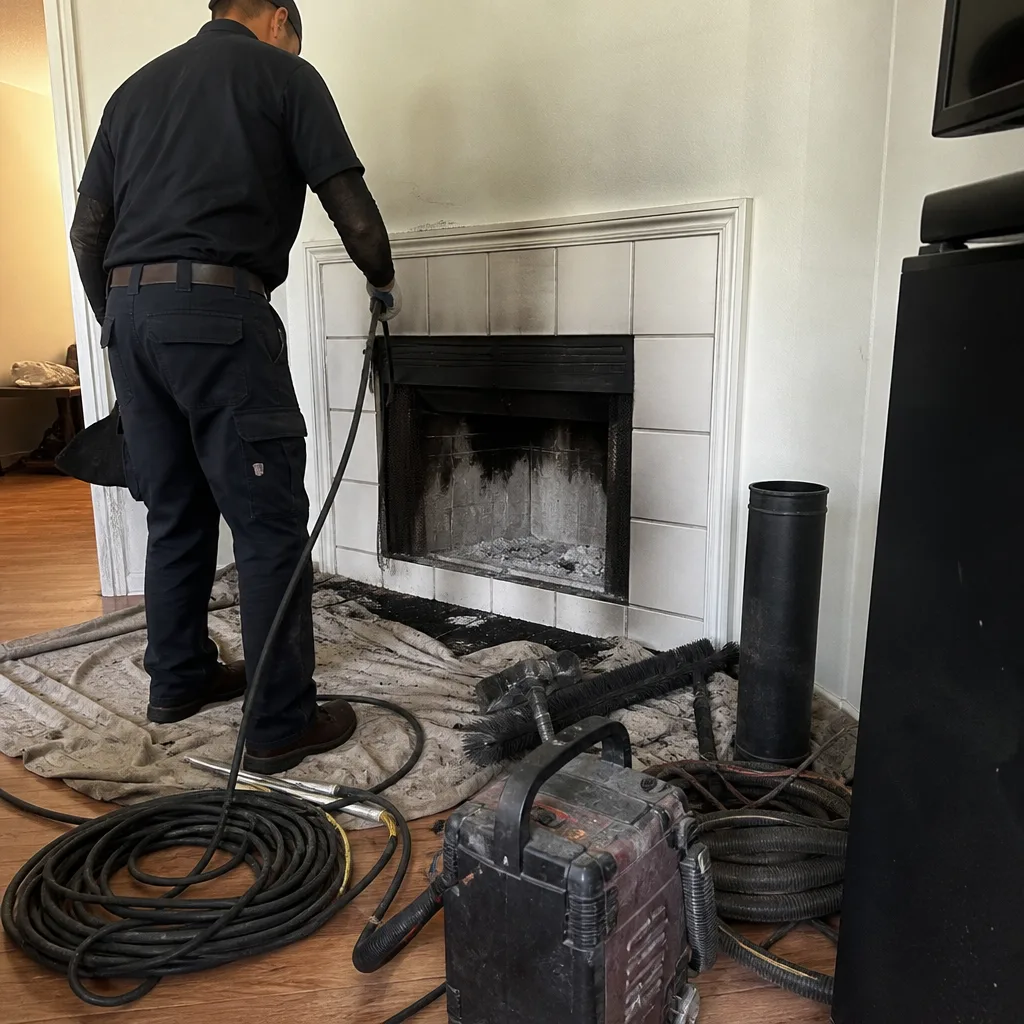
- Rotary cleaning systems that use a spinning whip head to break up Stage 2 glaze and Stage 3 deposits, especially in clay tile liners where the ridges and gaps create natural creosote traps.
- Video scanning before and after cleaning, so you receive photographic evidence of the flue’s condition, both the problem and the result. If a technician tells you your liner is cracked, you should be able to see the crack on screen.
- Drop cloths, HEPA filtration, and negative pressure setup that keeps soot out of your living space. This matters as much as the cleaning itself.
- Written condition reports that document what was found, what was cleaned, and what needs monitoring, not a verbal summary at the door.
We specify products by name because materials matter. A sweep company that stocks and installs DuraFlex liner systems, HeatShield resurfacing materials, and Gelco chimney cap products is choosing trade-grade supply lines contractors recognize. That’s a different operation than a generalist with a brush set from a hardware store.
How Chino’s Local Debris Affects Your Flue
Chino’s vegetation creates a distinct debris profile inside chimneys that national guides don’t address. The city’s eucalyptus windbreaks, palm plantings, and agricultural belts produce leaf litter, bark, and fibrous seed material that behaves differently than the pine and hardwood debris common in Northern California.
Eucalyptus leaves are oily and waxy. When they find their way into an uncapped chimney and sit there through Chino’s dry summers, they don’t break down into crumbly detritus the way pine needles do. They mat, compress, and hold together as a semi-solid plug that partially blocks the flue and becomes an ignition point. Palm fronds and seed pods are worse. A single palm frond that falls into an uncapped flue can wedge against the flue walls and create an obstruction that’s difficult to pull from above.
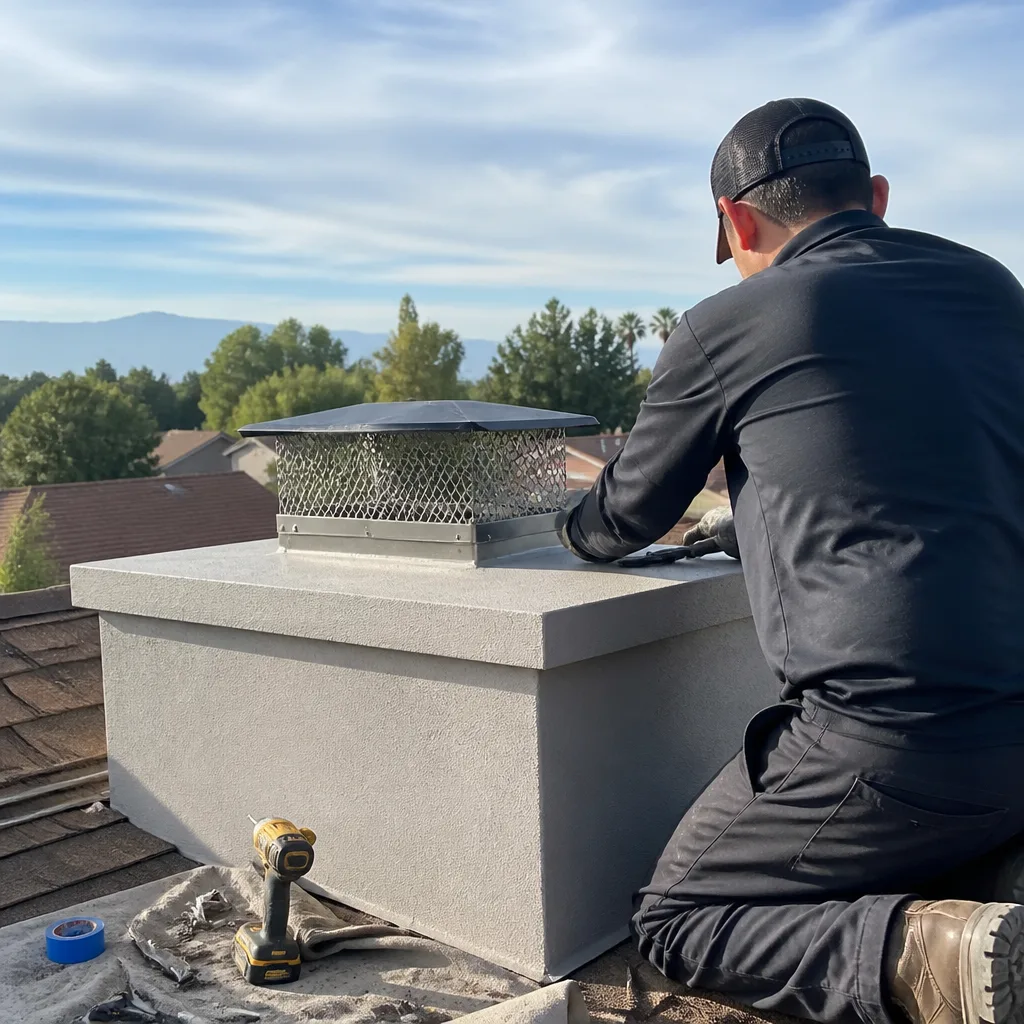
The fix is straightforward: a properly listed chimney cap with mesh sizing that keeps large debris out while allowing sufficient draw. But the cap alone isn’t a maintenance replacement. Chino’s Santa Ana winds deposit fine dust and grit into everything, including chimneys. Combined with creosote, that dust creates an abrasive slurry that accelerates wear on clay tile liners during brush cleaning.
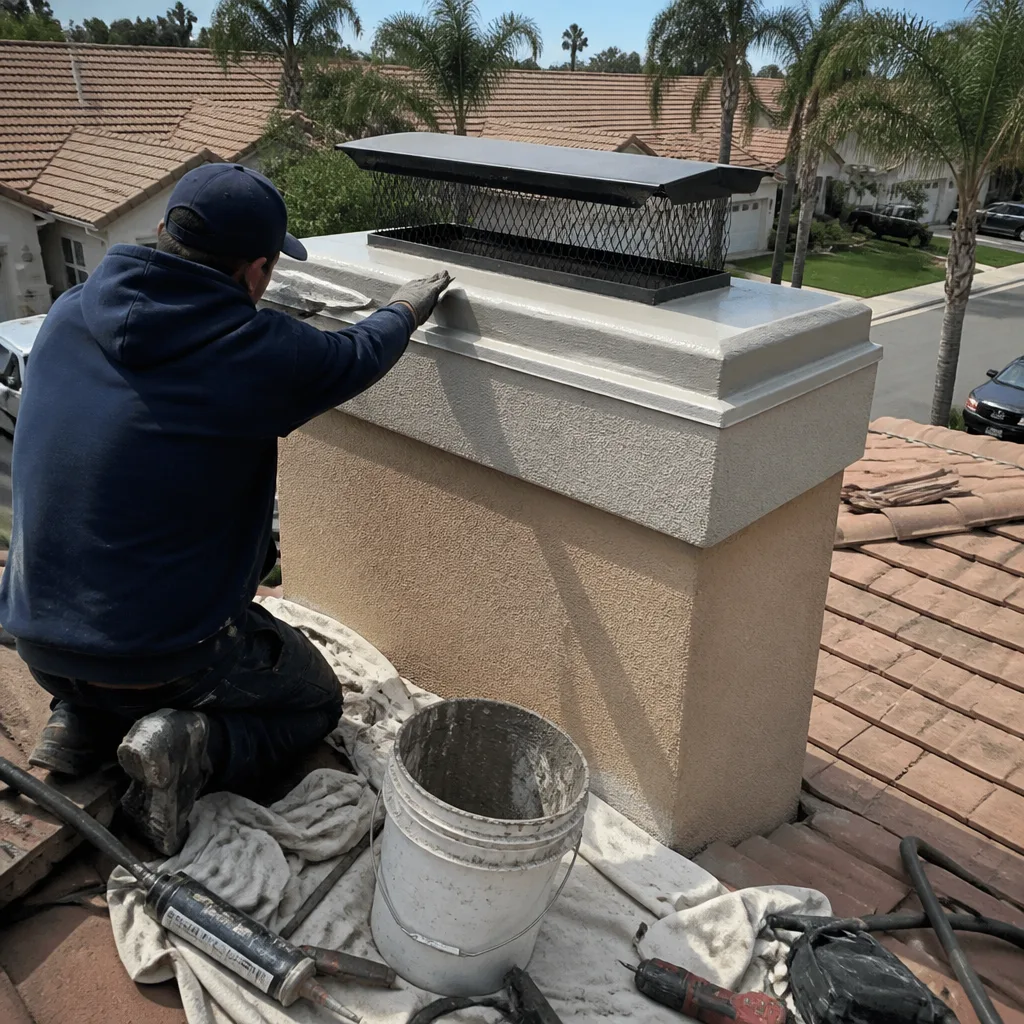
The practical point: if your Chino home has an uncapped or improperly capped chimney, you’re at substantially higher risk for blockages and accelerated liner wear. A cap is a $150 to $400 repair that prevents considerably more expensive problems. We recommend Gelco and Famco products for replacement caps because their mesh sizing and stainless construction hold up to Chino’s summer UV exposure better than coated steel alternatives.
How Much Does a Chimney Sweep Cost in Chino?
Pricing in Chino’s market clusters around a predictable range. Here’s what we see across the region:
- Standard Level I sweep and inspection: $149 to $279, depending on flue type, access height, and condition.
- Level II inspection with video scanning: $299 to $449 when purchased as an add-on or standalone.
- Level I sweep plus cap installation: $329 to $549 with a listed stainless cap.
- Rotary cleaning for heavy Stage 2 or Stage 3 glaze: $249 to $399, reflecting the additional time and tooling.
- Dryer vent cleaning as a standalone service: $99 to $199 in Chino, depending on vent length and access.
These are Chino market ranges from recent years, not national averages. Your specific price depends on roof access difficulty, flue height, current condition, and whether any repairs surface during the sweep. A two-story home in The Preserve with a steep roof pitch will sit at the higher end of the range. A single-story ranch in central Chino with a standard masonry chimney typically comes in lower.
Be wary of any sweep advertised under $99. A legitimate company with liability insurance, professional equipment, and trained technicians cannot operate profitably at that price. The discount operators almost always either upsell aggressively or skip critical steps. You’ll end up paying more for the corrective work later. Chimney Sweep Chino home pricing is transparent and quoted before we begin. Call (866) 321-6641 for a free estimate.
A Seasonal Scheduling Calendar for Chino Homeowners
Generic guides say “schedule before winter.” For Chino, the schedule is different because the actual usage pattern is different. Here’s a practical calendar based on how the Inland Empire’s seasons actually work:
- September to early October: The ideal sweep window. Santa Ana winds typically begin in October. A clean flue before wind season means less dust infiltration through open chimneys, and you’re ready for the first cool evenings without a scheduling scramble. This is also when many Chino homeowners discover obstructions that accumulated over summer.
- November through January: Peak burn season. If you missed the fall window, you can still get a same-week appointment from most Chino chimney companies early in this period, but wait times extend as holiday use increases. When you call for a sweep, mention if you’ve already started burning. The technician needs to know the system may be warm if they’re working on the same day.
- February through April: Good secondary window. Usage drops as Chino temperatures rise, and most chimney companies have shorter lead times. Scheduling in March means you’re ahead of the fall rush and any issues found during the sweep give you six months to address them.
- May through August: Best for repairs, relining, and HeatShield work. With no burning pressure, technicians can take their time, materials cure properly, and you avoid mid-season downtime. This is also the right window for dryer vent cleaning in Chino, when summer heat means dryers run on longer cycles and lint accumulation in attic-level vents becomes a measurable fire risk.
The worst time to schedule a sweep in Chino is the first week after a cold snap, because that’s when every skipped-maintenance homeowner calls at once. You’ll wait longer and may pay peak-season pricing.
When a Sweep Isn’t Enough: Liner Repair and HeatShield
A sweep reveals problems, but it doesn’t fix structural ones. If video scanning during your Level II inspection shows cracked clay tiles, a deteriorated mortar crown, or spalling brick, the conversation moves from cleaning to repair.
Here’s where material choice matters more than labor price. A traditional full relining job involves breaking out the old clay tiles and installing a new stainless liner, typically a DuraFlex system for most residential applications. It’s the right solution for severely deteriorated flues, and it’s expensive, often $4,000 to $8,000 depending on height and access.
But not every cracked flue needs a full relining. HeatShield is a resurfacing system that repairs and seals cracked or spalling flue liners by restoring the interior surface. It’s a ceramic-based material applied as a custom fit liner inside the existing flue. For Chino homeowners with localized cracking or moderate deterioration without structural collapse, HeatShield is a cost-conscious alternative at roughly a third to half the price of full relining. We’re certified to apply it, and we’ve used it on partially deteriorated mid-century chimneys throughout Chino where full relining wasn’t structurally necessary.
The key is that you should see the video footage before agreeing to any liner repair. A legitimate chimney company will show you exactly where the damage is, explain whether HeatShield resurfacing is appropriate or whether full DuraFlex relining is required, and let you make the decision with your eyes open. If a technician tells you “your liner is shot” without showing you the scan, get a second opinion.
Chimney Repair in Chino shouldn’t be a surprise expense. It should be a documented condition with a clear, specific remedy.
Why Dryer Vent Cleaning Belongs in Your Fire-Safety Plan
We treat dryer vent cleaning as safety-critical work, not as an add-on. Lint is one of the leading causes of residential fires in the United States, and Chino’s summer heat only increases the consequences of a blocked vent. When a dryer vent is clogged, your dryer runs hotter, longer cycles, and the lint sitting in the vent becomes tinder for a fire that spreads through the wall cavity before you notice.
The early warning sign in Chino is almost always the same: a load that used to dry in 40 minutes now takes two full cycles. That’s not your dryer wearing out. That’s restricted airflow. Other signs include a burning smell during operation, the laundry room feeling unusually hot, or the exterior vent flap not opening while the dryer runs.
Our Dryer Vent Cleaning in Chino service is a standalone offering, priced independently from chimney work, because the two systems fail for different reasons and deserve separate attention. But we schedule them together for homeowners who want a single appointment to cover both fire risks in one visit.
Your dryer vent is a fire hazard until it isn’t. We make sure it isn’t.
Common Mistakes to Avoid
- Skipping the annual sweep because you “hardly use it.” As we covered earlier, Chino’s low-burn pattern is exactly what produces Stage 2 glaze. Infrequent use is a reason to sweep, not a reason to skip. If you burn 10 times a year, sweep once a year.
- Accepting a quote without seeing video. If a technician claims your liner needs replacement but can’t show you the damage on screen, you’re making a four-figure decision blind. Walk away and call someone with scanning equipment.
- Installing the cheapest cap available. Chino’s summer UV and Santa Ana wind load will destroy a $50 galvanized cap within three years. A stainless cap from a listed manufacturer costs more and lasts for decades.
- Burning unseasoned wood to save money. Chino doesn’t have the same wood-curing culture as colder regions. Unseasoned wood from a big-box store produces more moisture, more creosote, and more smoke. If you’re going to burn wood, buy from a Chino-area supplier who sells properly dried cordwood.
- Ignoring the dryer vent connection. A clean chimney doesn’t protect you from a lint fire. If your dryer takes two cycles to finish a load in Chino, the vent is the problem. Clean it or replace the run.
- Scheduling your sweep in December. You’ll wait longer, pay more, and compete with every other homeowner who remembered their fireplace on the first cold night. See the seasonal calendar above and schedule in September.
- Hiring a chimney sweep whose only equipment is a brush on poles. Stage 2 glaze requires rotary cleaning. If the technician doesn’t own that equipment, they can’t remove what’s in your flue. You’ll pay for a cleaning that doesn’t clean.
When to Call a Professional
Call a chimney professional in Chino immediately if you notice any of these conditions: smoke backing into the room, a persistent campfire smell when the fireplace isn’t in use, visible soot stains around the fireplace opening or on walls near the chimney chase, a crackling sound from inside the chimney while burning, or damp spots on the ceiling near the flue. These all indicate active problems requiring equipment and training to diagnose properly.
Chimney Sweep Chino offers free estimates in Chino, call (866) 321-6641. We perform the inspection, show you the video, and give you a written condition report whether or not you proceed with repairs.
Frequently Asked Questions
A standard Level I chimney sweep in Chino costs $149 to $279, with most single-story homes falling between $175 and $225.
Level II video inspections run $299 to $449, and rotary cleaning for heavy glaze adds roughly $100 to $150 over standard pricing. These are Chino market rates, which run slightly below coastal California pricing but above national averages due to the region’s labor costs. Call (866) 321-6641 for an exact quote based on your chimney’s specifics.
Once a year, even if you burn only 10 to 15 nights annually. Chino’s low-frequency burning pattern produces hard, glazed Stage 2 creosote faster than daily winter burning does. An annual Level I sweep removes it before it becomes a fire hazard or a costly removal job. For gas fireplaces, every two years is usually sufficient, but an annual visual check of the exterior and damper is still recommended.
Not always. Small cracks in clay tile liners can often be addressed with HeatShield resurfacing, which restores the flue interior without removing the existing structure. Full relining with a DuraFlex system is needed only when deterioration is severe enough to compromise structural integrity or when the flue is undersized for the appliance. The key is seeing the video scan yourself and understanding why the recommended repair matches the damage. A legitimate technician will show you.
Restricted airflow from a clogged dryer vent is the most common cause. When the vent is blocked, your dryer can’t expel humid air, so it runs longer and hotter trying to compensate. Chino’s fine dust and lint combination clogs vents faster than in coastal areas. A standalone dryer vent cleaning typically costs $99 to $199 in Chino and resolves the problem immediately in most cases.
Creosote accumulates. In Chino’s climate, it tends to form as Stage 2 glaze, a hardened, combustible layer that reduces flue diameter and increases draft resistance. Eventually, a hot fire can ignite the creosote inside the flue, producing a chimney fire that reaches temperatures high enough to crack clay liners and spread to the home’s structure. Even without a fire, accumulated debris blocks proper ventilation, pushing carbon monoxide back into the living space. Call (866) 321-6641 if your chimney hasn’t been inspected in three or more years.
A properly equipped chimney company sets up drop cloths, barrier curtains, and a HEPA-filtered negative-pressure system that captures dust at the fireplace opening. You should expect zero soot in the living space. Companies that rely on open-air brushing without containment will inevitably leave residue. This is one of the clearest indicators of whether you’re working with a spec-grade crew or a budget operation.
The Bottom Line
Chino’s climate creates a creosote problem that most national chimney guides don’t address. Low-frequency burning produces harder, more hazardous deposits than heavy winter use, and the region’s eucalyptus and palm debris add an obstruction risk that cold-climate homes rarely face. The solution is consistent annual maintenance with the right equipment, a clear understanding of what inspection level you’re paying for, and documented video evidence of any repair recommendation. Schedule in September, before Santa Ana season and before the December rush. If your dryer is running long, add a vent cleaning to the same appointment. Chimney cleaning and repair handled by the same crew, start to finish. Explore more guides & resources on our blog. Call (866) 321-6641 for a free estimate.
Author
Written by the team at Chimney Sweep Chino, serving Chino since 2011.
See the difference
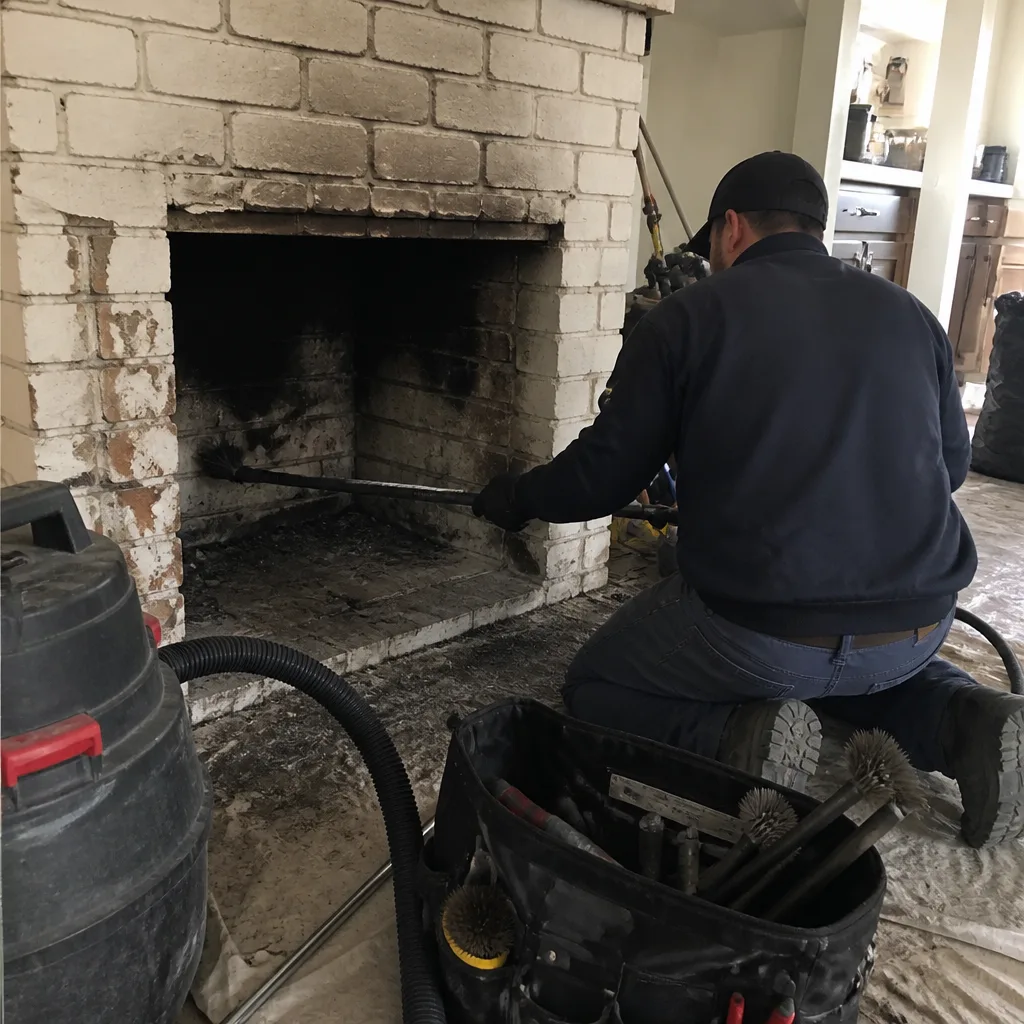 Before
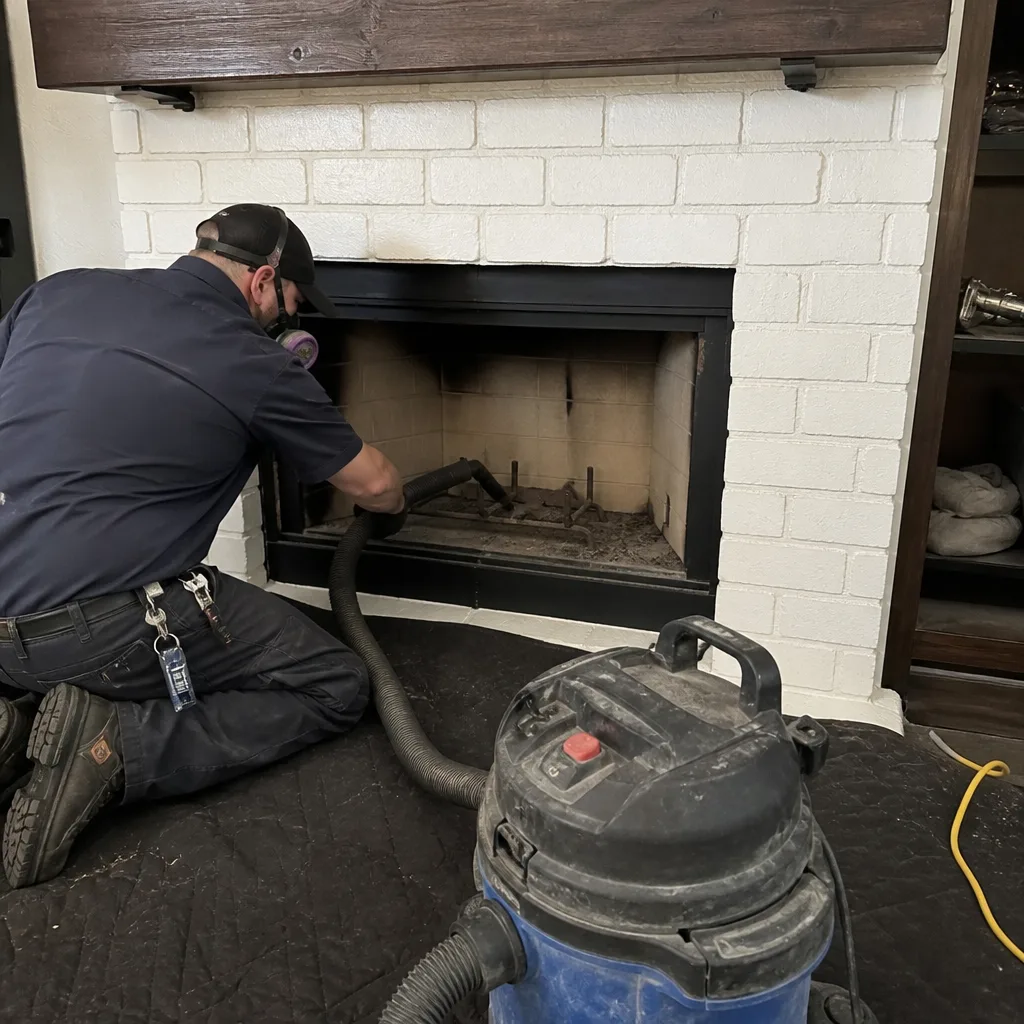 After
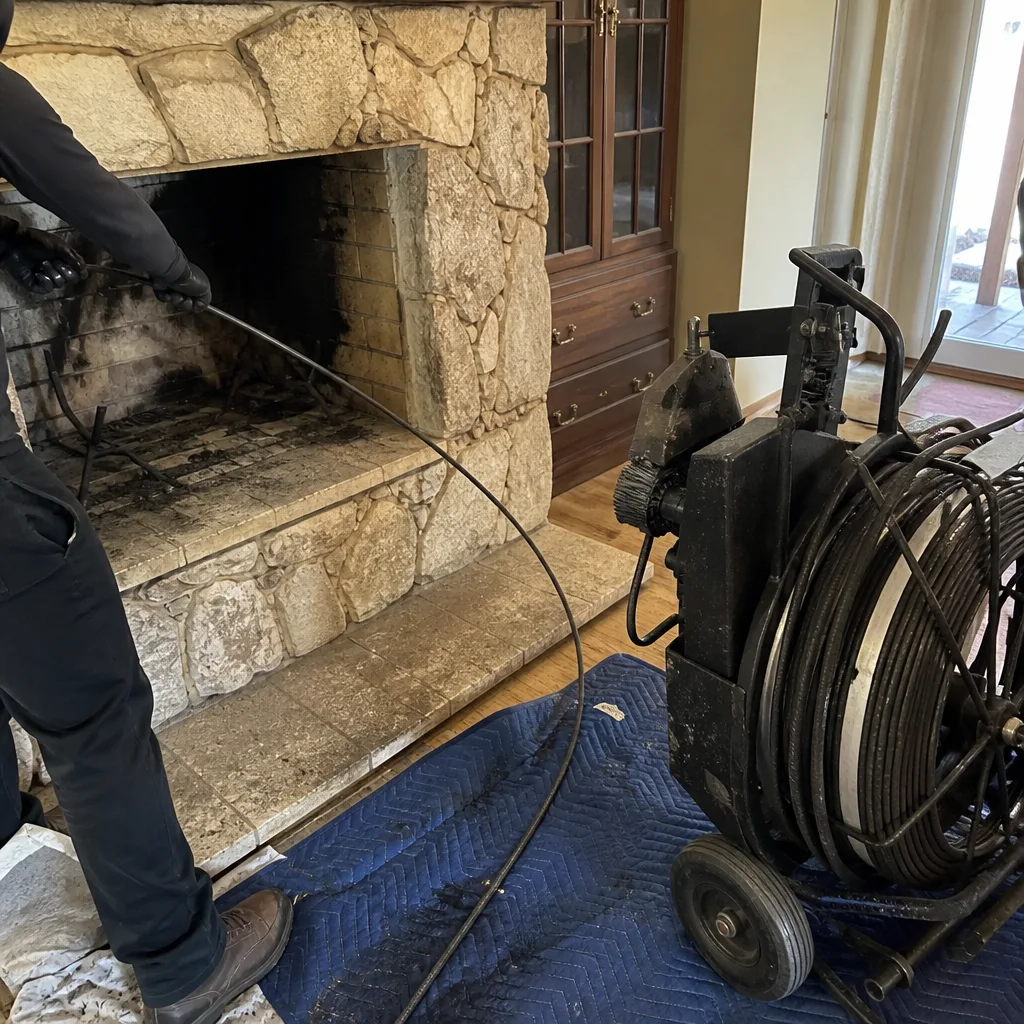 Before
 After
 Before
 After