
Last updated November 2, 2026
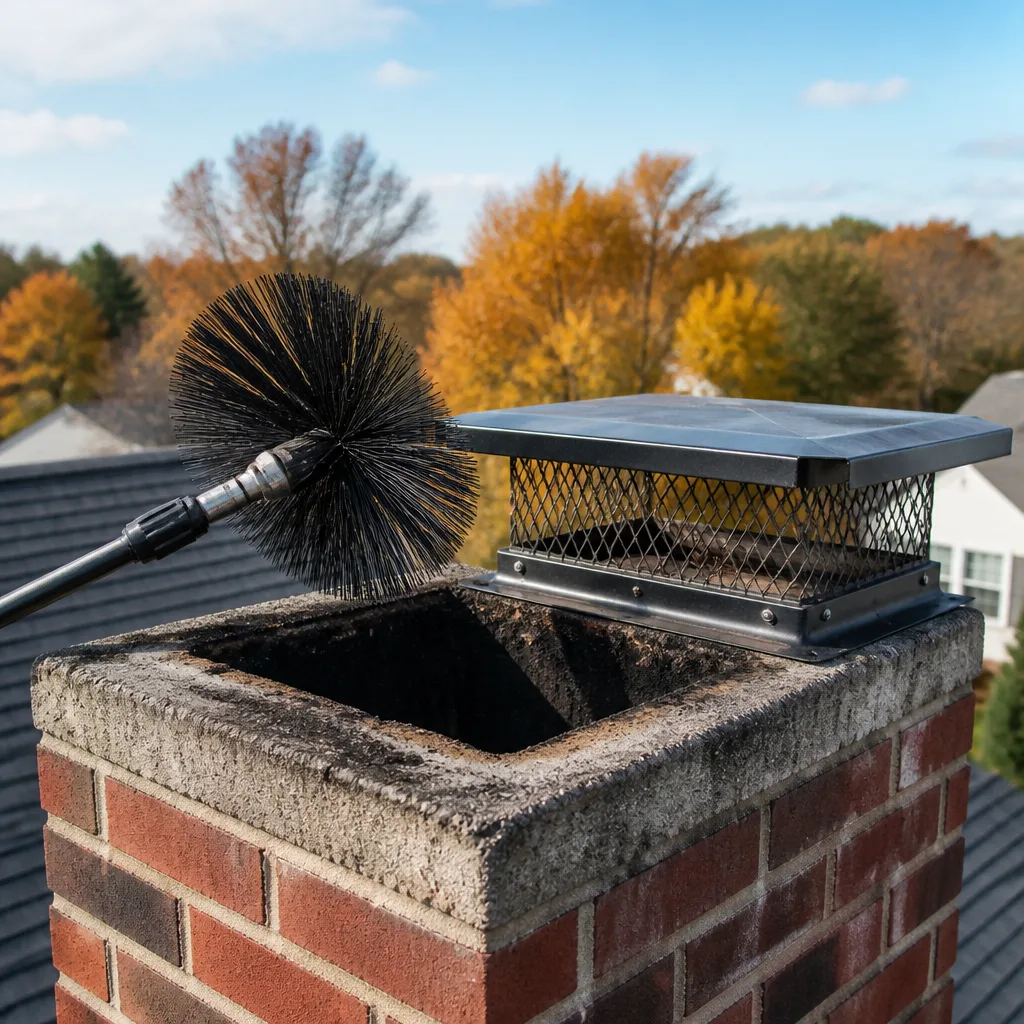 Sweep & inspection
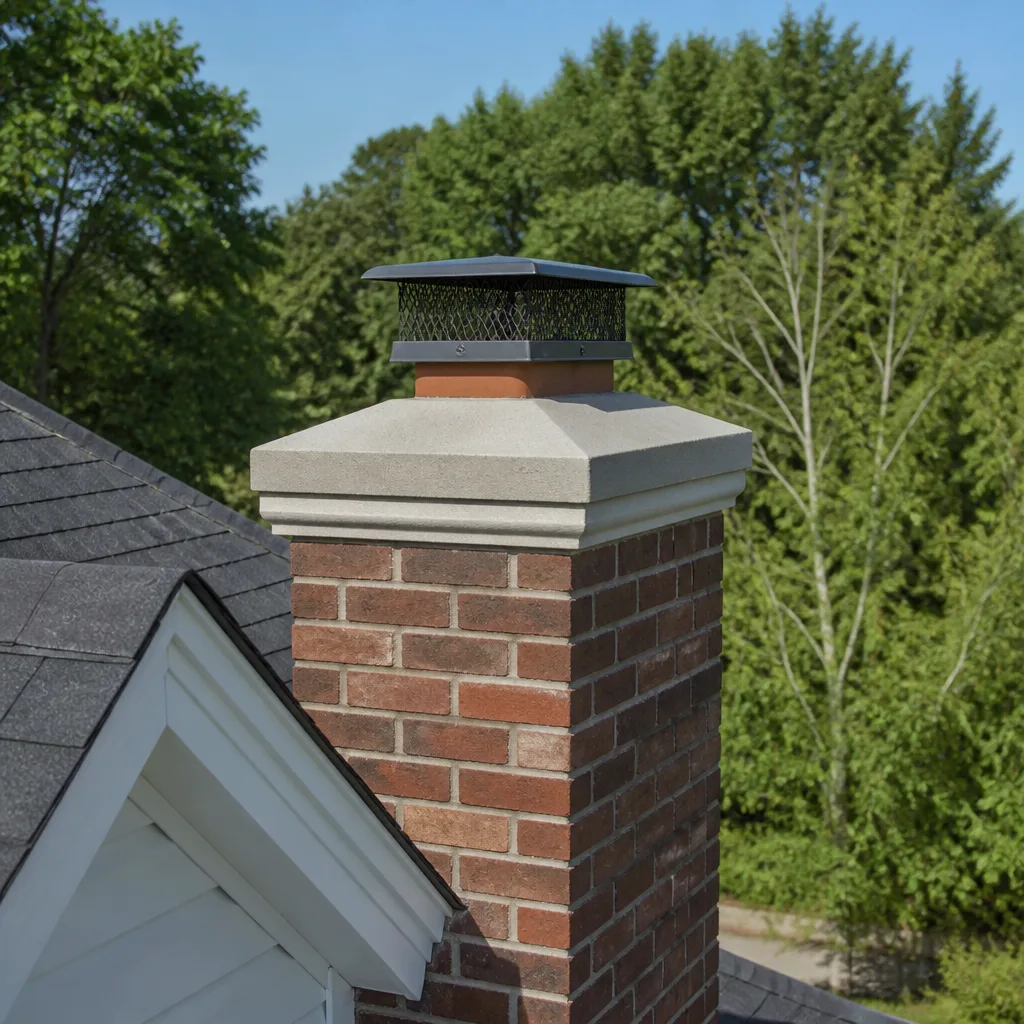 Caps & crowns
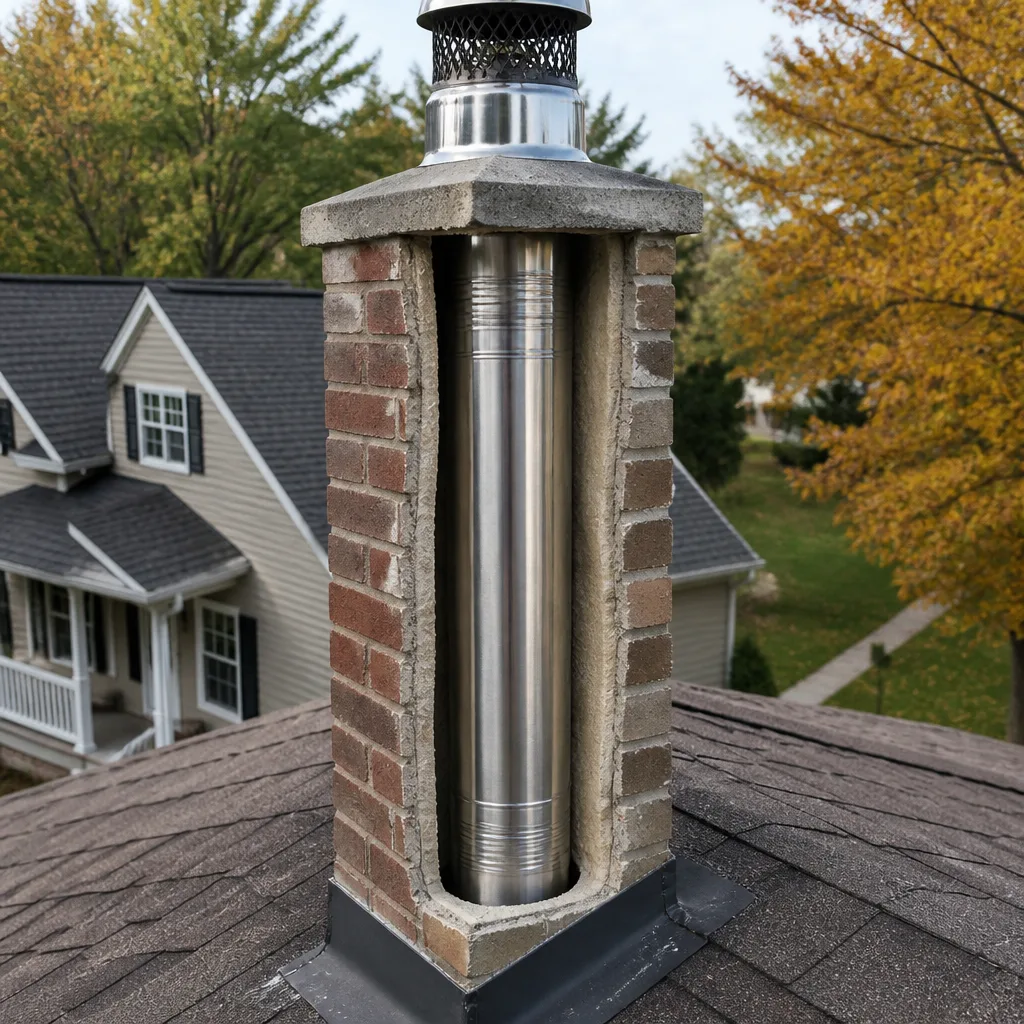 Flue relining
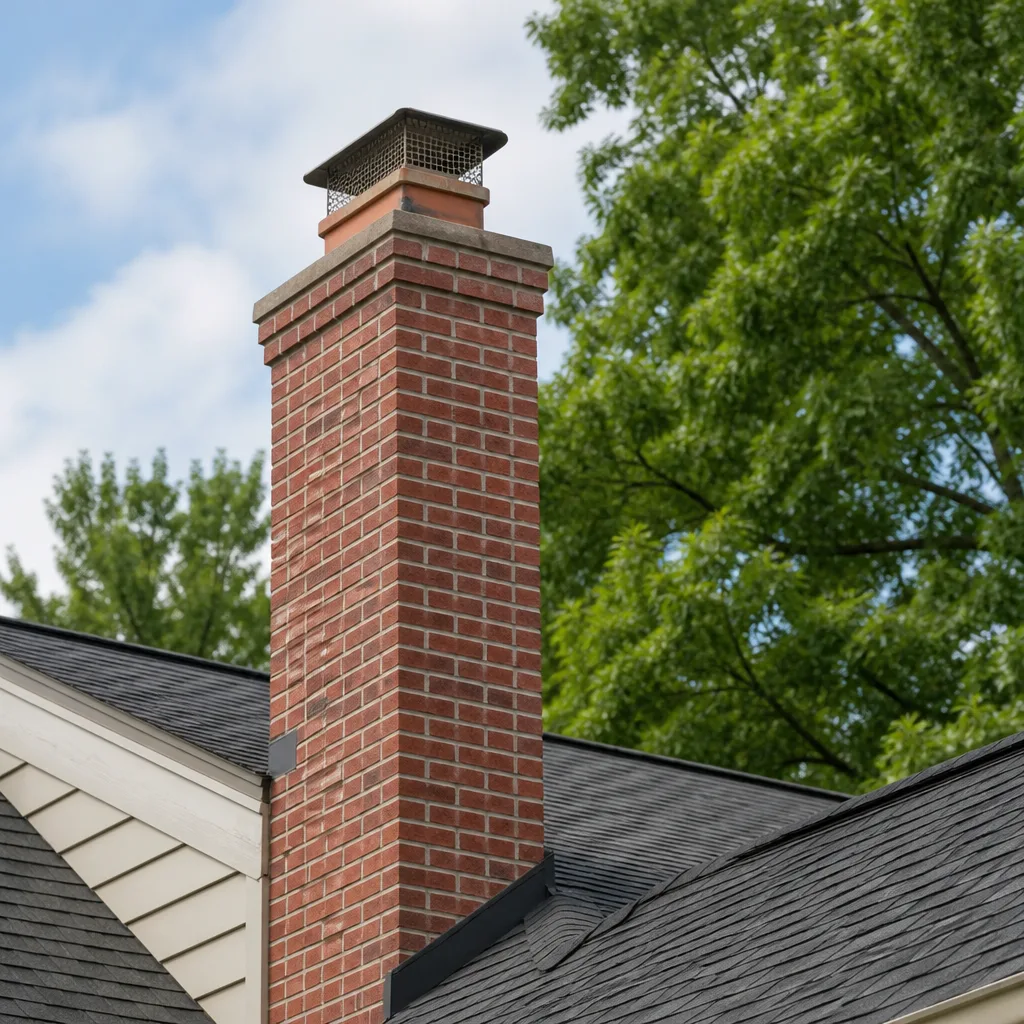 Masonry repair
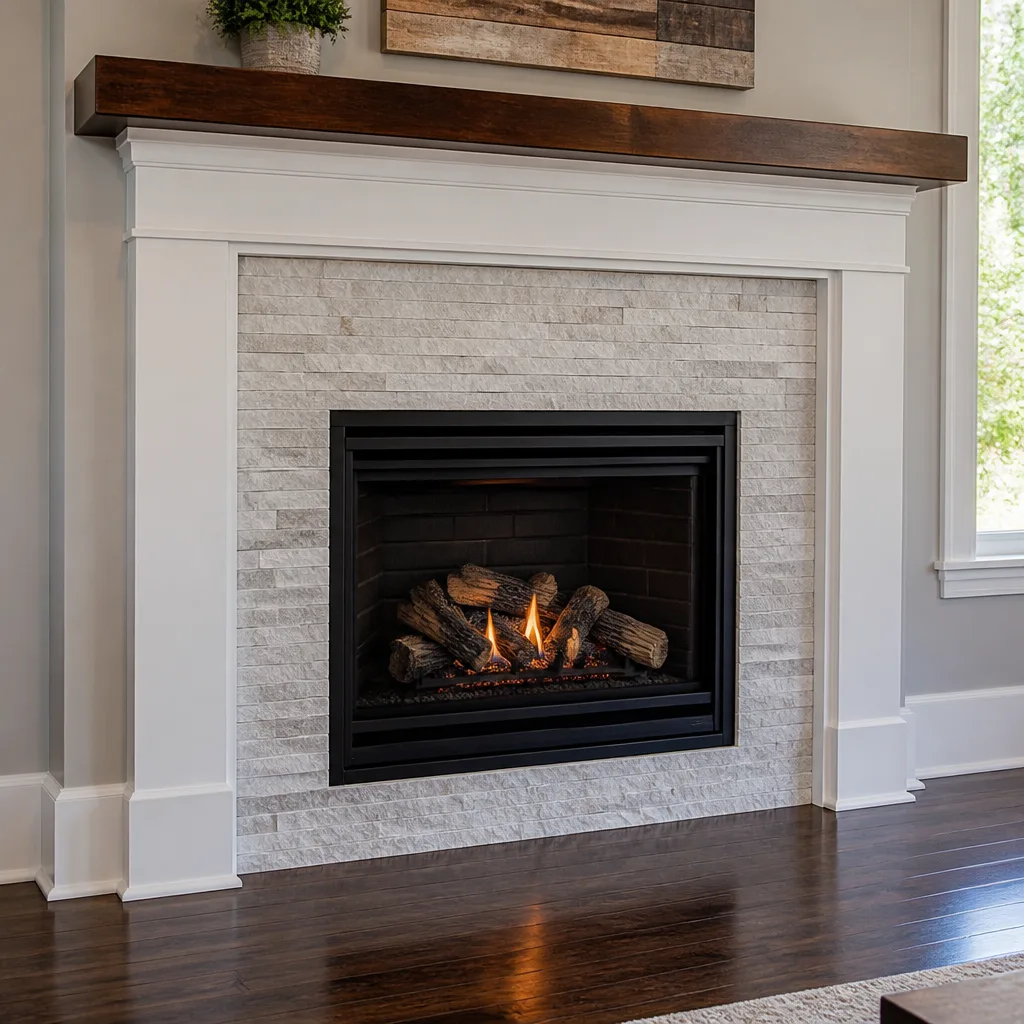 Gas fireplace service
Level 1 sweep and inspection to the NFPA 211 annual standard - flue, crown, cap, and flashing checked and photographed
Chimney sweep logs do not sweep chimneys. They loosen some creosote - which then falls where a brush and vacuum still have to collect it.
How to Hire a Chimney Cleaning Contractor in Chino: A Step-by-Step Guide
In California, anyone with a pickup truck, a ladder, and a brush set can legally call themselves a chimney sweep. There is no state-issued chimney contractor license, no mandatory apprenticeship, and no requirement to demonstrate competence before charging homeowners for fireplace and flue work. That means the burden of vetting falls entirely on you. This guide gives Chino homeowners a specific technical screening framework, not the usual generic “ask for references” advice you’ll find in more guides & resources. You’ll learn the credential hierarchy that actually matters, the product lines that separate specification-grade contractors from budget operations, and the red flags that signal a low-bid sweep you should walk away from.
Styles & brands we work with
- Sweep & inspection
- Caps & crowns
- Flue relining
- Masonry repair
- Gas fireplace service
Quick Answer
To hire a chimney cleaning contractor in Chino, verify their CSIA certification through the Chimney Safety Institute of America’s online directory, confirm they carry a C-61/D-34 limited specialty license for chimney work, and require a written estimate that includes camera inspection results, deposit level classification, and itemized pricing. A legitimate Chino chimney contractor will offer a Level 1 or Level 2 inspection before quoting any repair work and will never pressure you to approve same-day liner replacement without documentation.
Table of Contents
- The Credential Hierarchy That Actually Matters
- How to Verify a Contractor’s Credentials Before They Arrive
- Product Familiarity: The Tell-All Interview Question
- What a Legitimate Written Estimate Must Include
- Inspection Protocol: What Should Actually Happen During the Visit
- Red Flags Specific to Low-Bid Chimney Sweeps
- Chino-Specific Considerations: Climate, Codes, and Market Realities
- The Phone Screen: 7 Questions to Ask Before Booking
- Common Mistakes to Avoid
- When to Call a Professional
- Frequently Asked Questions
- The Bottom Line
The Credential Hierarchy That Actually Matters
Chimney contractors in Chino operate under a patchwork of credentials, some meaningful and some nearly worthless. Understanding the hierarchy saves you from paying for certificates that are nothing more than marketing.
CSIA Certified Chimney Sweep: The Gold Standard
The Chimney Safety Institute of America (CSIA) certification is the most respected credential in the industry. A CSIA Certified Chimney Sweep has passed written and field exams covering fire codes, clearance requirements, ventilation science, and inspection methodology. The certification requires continuing education credits and recertification every three years. When a Chino contractor displays the CSIA logo, you should still verify it through the CSIA online directory, because expired certifications are common. We’ve seen contractors whose CSIA credential lapsed five years prior still featuring the logo on their truck and website.
NCSG Membership: Knowledge and Networking, Not Competence
The National Chimney Sweep Guild (NCSG) is a professional trade association. Membership signals that a contractor takes their trade seriously enough to join a national organization and access ongoing education resources. However, NCSG membership alone does not certify anyone to do anything. Think of it as the difference between belonging to a professional writers’ guild and having published work. Membership is worth noting. It is not a substitute for CSIA certification.
C-61 and C-36 Licenses: The California Contractors State License Board Piece
Here’s where Chino homeowners need to pay attention. California does not have a “chimney sweep” classification on the Contractors State License Board (CSLB). Chimney work falls under several existing classifications, and the distinction matters for repair and relining scope. A C-61/D-34 limited specialty license covers “chimney and fireplace” work, including cleaning and most repair work. A C-36 plumbing license allows contractors to perform certain flue and venting work that intersects with gas appliances and water heaters. A contractor who only holds a general “B” license may be legally able to perform chimney cleaning, but a general license does not demonstrate specialized flue expertise. Before booking in Chino, check the contractor’s CSLB status at the state database. Look for an active license, no unresolved complaints, and correct workers’ compensation insurance coverage if they have employees, which most legitimate operations do.
What each credential does and does not cover:
- CSIA Certification: Proves individual competence in chimney inspection and sweeping. Does not authorize contracting work in California. Must be verified online.
- NCSG Membership: Shows professional engagement. Not a technical credential. Anyone can join for a fee.
- C-61/D-34 License: Authorizes chimney and fireplace contracting work in California. Required for most repair work beyond a basic sweep.
- C-36 License: Covers plumbing-related flue and venting, often relevant for gas fireplace and water heater flue work.
- General B License: Legal for some chimney work but no specialized flue knowledge. Treat with caution for liner or repair work.
How to Verify a Contractor’s Credentials Before They Arrive
The single most effective step a Chino homeowner can take is verification before booking. It takes five minutes and eliminates most worst-case scenarios. Here is the exact process:
- Look up the contractor on the CSIA online directory. Go to csia.org and use the “Find a Certified Sweep” tool. Enter your ZIP code, which for most of Chino is 91708, 91710, or 91761. If the contractor’s name does not appear, their claimed certification is expired, revoked, or fabricated. Do not book.
- Check the CSLB database. Visit the California Contractors State License Board website and search by business name or license number. Verify the license is active, not suspended, and has no outstanding complaints. A pattern of unresolved consumer complaints is a stronger signal than any marketing claim.
- Ask for the certification number directly. A credible contractor will give you their CSIA number without hesitation. Cross-reference that number in the CSIA directory. If the number is valid, it will match the name of the technician who will actually perform the work.
- Confirm the technician matches the credential. Some companies send a certified owner to sell the job and an uncertified employee to do the work. Ask point-blank: “Will the CSIA-certified technician be the one physically performing the inspection and sweep?”
- Check for a physical business address in the Chino area. A P.O. box or no address listed is a red flag. Legitimate contractors in Chino operate from actual shop or office locations in Chino, Ontario, Eastvale, or surrounding communities. A contractor who cannot provide a street address is likely a middleman or a one-man operation running jobs from a van.
If a contractor’s claimed certification does not appear in the registry, do not accept an explanation. CSIA certification is public information. There is no legitimate reason for a valid credential to be missing from the directory.
Product Familiarity: The Tell-All Interview Question
Here’s the test that separates specification-grade chimney contractors from generalists: ask about the specific product lines they use. A credible contractor can quote specs, not just brand names. A contractor who says “we use high-quality materials” without naming anything specific is probably buying whatever is cheapest at the local supply house.
Ask whether they stock or install HeatShield Cerfractory Flue Sealant. HeatShield is a ceramic-based system used to resurface damaged flue liners without full relining. It is a technically specific product with specific application requirements. A contractor who knows HeatShield will be able to explain when it is appropriate versus when a full DuraFlex stainless steel liner is the better call. They will talk about flue dimensions, the condition of the existing clay tile, and whether the liner has gaps or cracks that HeatShield can address versus structural damage that requires full replacement.
We specify products by name because materials matter. A HeatShield application is a fraction of the cost of full relining and extends flue life by years, but only when the existing structure is sound enough to support it. The same logic applies to dryer vent systems. The right liner for your flue, not the cheapest one that fits. We work with professional-grade lines including Gelco, Olympia Chimney, Famco, and Copperfield because these are the sources that professional chimney contractors recognize and trust. If you mention Famco damper products and the contractor stares blankly, you are talking to the wrong company.
This test works because product knowledge cannot be faked. A contractor either knows what HeatShield Cerfractory Flue Sealant does or they don’t. They either know the difference between a Gelco cap and the hardware-store knockoff or they don’t. Ten minutes of conversation on this point tells you more than any review profile.
What a Legitimate Written Estimate Must Include
A credible chimney contractor in Chino will provide a written estimate that contains specific technical detail. A vague one-line quote, which is what low-bid sweeps tend to produce, is not an estimate. It’s a placeholder for the upsell that comes later.
A legitimate written estimate must include:
- Flue dimensions. The contractor should measure the flue and record the dimensions in the estimate. Without dimensions, there is no way to verify that liner material was correctly specified. Different flue sizes require different liner diameters, and incorrect sizing is a leading cause of failed relining work.
- Deposit level classification. The CSIA defines inspection levels: Level 1 is for routine annual maintenance on a system that has not changed. Level 2 is required when the property is changing hands, the system has been modified, or an event like a chimney fire has occurred. Level 3 is invasive and only warranted when a Level 2 inspection reveals serious concerns. Your estimate should state which level applies and why.
- Liner material specification if replacement is proposed. If the contractor recommends relining, the estimate must name the specific product, the brand, the gauge or thickness, and the diameter. “New liner” is not a spec. “DuraFlex 316L stainless steel, 6-inch diameter, 316 alloy” is a spec.
- Itemized labor versus material costs. An estimate that is a single lump sum conceals markups and makes comparison shopping impossible. A legitimate contractor will break down labor, materials, disposal fees, and any permit costs as separate line items.
- Camera inspection results. If the contractor is quoting repair work – a new liner, a crown repair, a HeatShield application – the estimate must reference camera inspection findings. No contractor should be recommending thousands of dollars of liner work without having put a camera up the flue. If they did not perform a camera inspection, there is no way they can accurately assess liner condition. Ask for photo documentation.
- Warranty terms in writing. What is covered, for how long, and what voids the warranty. A verbal warranty is not a warranty.
We’ve seen camera inspection photos become the deciding factor for Chino homeowners who were told by another contractor that their chimney needed $4,000 of work. When the photos showed a liner with normal surface wear and no structural cracks, the correct answer was a standard sweep and a note to reinspect in two years. Nothing is recommended without camera evidence you can see for yourself.
Inspection Protocol: What Should Actually Happen During the Visit
Understanding what a proper chimney cleaning and inspection involves gives you a baseline for evaluating the contractor standing in your living room. A legitimate Chimney Sweep in Chino visit follows a predictable sequence.
A proper visit includes:
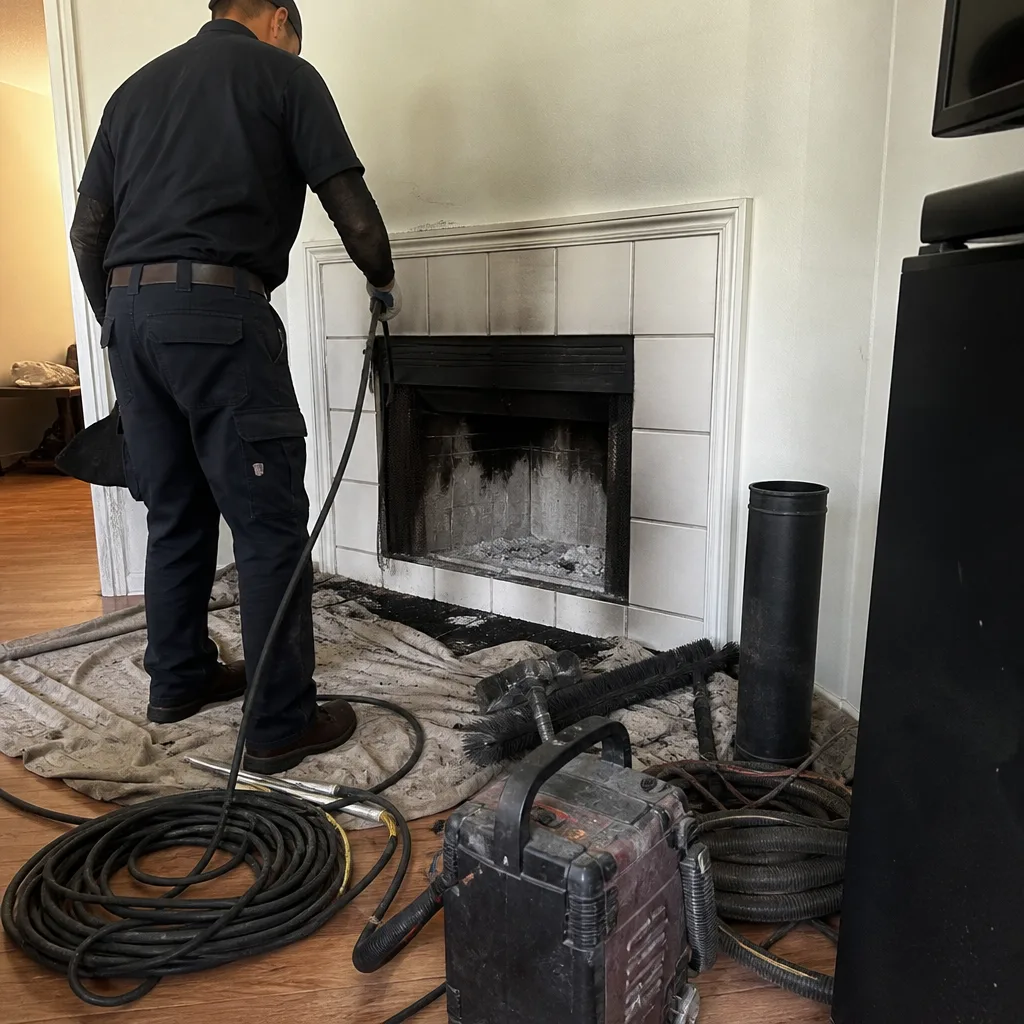
- Protection of the work area. Drop cloths or floor protection around the fireplace. The contractor should not be tracking soot through your Chino home. A contractor who shows up without floor protection is cutting corners you can see, which raises the question of corners you cannot see.
- External inspection of the chimney structure. The contractor should examine the chimney crown, the brick or stone exterior, the flashing where the chimney meets the roof, and the chimney cap if one is installed. In Chino, where summer heat cycles and occasional heavy rain create expansion and contraction stress, crown cracks are a common failure point that allows water intrusion.
- Internal camera inspection. This is non-negotiable for any repair recommendation. The camera shows the condition of the flue liner, the presence of creosote glaze, the location of any cracks or gaps, and any blockages from animal nests or fallen debris. A sweep who removes visible creosote but never runs a camera cannot tell you what is happening in the upper third of the flue.
- Mechanical sweeping using properly sized brushes. The brush must match the flue dimensions. Using an undersized brush leaves creosote behind. Using an oversized brush risks damaging the liner. A contractor who knows the difference will measure before sweeping.
- Written condition report with photos. You should receive documentation of what was found, what was done, and what recommendations are being made, if any. Photos, not just verbal descriptions. The camera images are your evidence.
If any of these steps is missing, the inspection is incomplete. A sweep that skips the external inspection or refuses to provide a written report is not providing the service you are paying for.
Red Flags Specific to Low-Bid Chimney Sweeps
Low-bid operations in the Chino market follow predictable patterns. These are the specific red flags that should cause you to end the appointment:
- No camera inspection offered. A contractor who hands you a price for sweeping without looking inside the flue with a camera is working blind. The camera is standard equipment for any legitimate operation. If it does not get pulled out, you are dealing with a budget sweep cutting corners on the one step that actually matters.
- No written condition report. You should leave every professional chimney service with written documentation. If the contractor’s only “report” is a verbal summary and a hand-shake, there is no accountability for what was or was not found.
- Pressure to approve repairs same-day without documentation. This is the classic low-bid play. Quote a low sweep price, get in the door, then “discover” a liner problem that needs immediate attention. A legitimate contractor will show you camera evidence, explain the recommended repair in terms you understand, and give you time to think. Anyone who demands a decision before they pack up their equipment is not selling you a repair. They are selling you fear.
- Cash-only or no written contract. A licensed, legitimate contractor will provide a written contract and accept standard payment methods. A demand for cash payment with no paper trail is a signal that the contractor does not want a record of the transaction.
- Unmarked vehicle and no business address. Occasional use of a personal vehicle happens. But a contractor with no signage, no business address, and no verifiable web presence is not a professional operation. In Chino, where legitimate chimney companies are easy to find, there is no reason to take a chance on an anonymous operator.
Chino-Specific Considerations: Climate, Codes, and Market Realities
Chino’s climate and local conditions shape chimney maintenance in ways that generic guides from other parts of the country miss, which is why our Seasonal Chimney Cleaning Care for Chino: Year-Round Homeowner’s Guide focuses on local specifics. Understanding these local factors helps you evaluate contractor recommendations for your specific situation.
Climate stress. Chino sits in the Inland Empire, where summer temperatures routinely exceed 95°F and winter nights can dip into the 30s. This temperature swing creates expansion and contraction cycles in masonry and clay flue liners. Over years, hairline cracks develop and widen. Once a crack opens, the liner is no longer doing its job of containing heat and combustion byproducts. A Chino contractor who has worked on homes in the area understands this failure pattern. A contractor from outside the region may not prioritize crown inspection the way a local does.
Wood burning and Air Quality Management District rules. The South Coast Air Quality Management District (SCAQMD) governs air quality for Chino. Mandatory no-burn days occur periodically during the winter months when particulate matter levels exceed health thresholds. Chino homeowners who burn wood must know their stove or fireplace’s compliance status. A competent local contractor can explain whether your appliance meets current requirements and what upgrades, if any, are needed. This is exactly the kind of local regulatory knowledge that a generalist contractor will not have.
Real estate transactions. Chino has seen sustained residential growth, with new developments in areas like The Preserve and continued sales of older homes in established neighborhoods. When a home changes hands, a Level 2 chimney inspection is the industry standard, and some lenders and insurers require it. If you are buying a home in Chino, schedule the inspection before closing so that any necessary repairs become part of the negotiation. If you are selling, having a clean inspection report in hand prevents the buyer’s inspector from springing surprises late in the process.
The Phone Screen: 7 Questions to Ask Before Booking
Ten minutes on the phone saves you hours of hassle and potentially thousands of dollars. These seven questions, asked before you book, will filter out most of the contractors you should not hire:
- “Are you CSIA certified, and can I verify that on the CSIA website?” If they hesitate, deflect, or claim certification without giving you a name and certification number to verify, end the call.
- “Will the certified technician be the one performing the work at my home?” Some companies use a certified owner to sell jobs and uncertified employees to do the work. Get the answer in writing in the estimate.
- “Does your sweep include a camera inspection of the flue?” There is no legitimate reason for a professional chimney cleaning to omit camera inspection. A no answer is a no-booking answer.
- “What product lines do you use for liner repair and replacement?” Listen for specific names: HeatShield, DuraFlex, Gelco, Olympia Chimney, Famco, Copperfield. A contractor who can name their product lines and explain when each is appropriate is a contractor who actually does the work professionally.
- “Can you provide a written estimate with itemized costs before I approve any work?” A yes is basic professionalism. A hedge is a red flag.
- “Do you also clean dryer vents?” This question tells you whether the contractor treats ventilation as a system or a one-off job. The dryer vent and the chimney are separate systems, but competent ventilation specialists understand both. A contractor who scoffs at the question is signaling a narrowness that excludes whole categories of fire-safety work.
- “Are you licensed with the California Contractors State License Board, and under what classification?” This filters for legal status and appropriate scope. A C-61/D-34 classification is the specific credential for chimney work.
Common Mistakes to Avoid
- Hiring based on the lowest price. A $79 sweep special in Chino is a marketing loss-leader. The contractor is buying the job to upsell you on repairs once they are in the door. Budget sweeps survive on high-pressure repair sales, not on sweeping revenue.
- Accepting an estimate without camera inspection results. Any repair recommendation that is not backed by camera images is a guess, and you should treat it as such. The camera does not lie, and a contractor who will not show you evidence has a reason for hiding it.
- Treating certification as a lifetime guarantee. CSIA certification expires and requires recertification. A contractor who got certified in 2012 and never recertified is not certified now. Verify every time.
- Skipping the CSLB check. The CSLB database takes three minutes to search. It will show you active license status, complaint history, and workers’ compensation coverage. Skipping this step is willful blind trust.
- Not asking who will perform the work. Contractors sometimes send a salesperson or a crew lead to quote the job and a different, less experienced crew to do it. Confirm the certified technician’s identity before the appointment.
- Approving repair work under time pressure. Chimney repairs rarely constitute same-day emergencies. Carbon monoxide leaks and structural collapse risk are the exceptions, and those require immediate professional attention. If the contractor’s urgency is based on the deal expiring, not on safety, the urgency is manufactured.
- Ignoring dryer vent maintenance as a separate fire risk. Lint buildup is a leading cause of residential fires, and Chino homes with long dryer vent runs are particularly vulnerable. Dryer vent cleaning is treated as a safety-critical service alongside chimney work, and Dryer Vent Cleaning in Chino should be part of a complete ventilation maintenance plan.
When to Call a Professional
Schedule a professional chimney inspection in Chino when you have used your fireplace or wood stove for a full season and have not had it swept, when you have just purchased a home and cannot verify the last cleaning date, when you smell smoke or mustiness in the room with the fireplace, when you see dark staining on the wall above the fireplace opening, or when you have burned unseasoned wood and suspect heavy creosote buildup. If your gas fireplace shows yellow, lazy flames instead of crisp blue ones, that’s a ventilation signal worth checking. And if your dryer takes two cycles to dry a load, the vent is likely restricted, and the lint buildup is a fire hazard, not an inconvenience. Our Chimney Sweep in Chino service includes the camera inspection you need to see exactly what’s happening inside the flue. Chimney Sweep Chino offers free estimates in Chino, call (866) 321-6641.
Frequently Asked Questions
A standard chimney sweep in Chino typically runs $180 to $340, depending on the type of fireplace or stove, the flue length, and whether the system is wood-burning or gas. A sweep that includes a full camera inspection and written condition report will be at the higher end of that range, and the camera inspection is worth paying for. If a contractor quotes significantly less, ask what they are leaving out. Call (866) 321-6641 for an exact quote, estimates are free.
You need a new liner only when the existing liner has structural cracks, gaps, or damage that compromises its ability to contain heat and combustion gases. The only way to know is through camera inspection. If the camera shows a liner with minor surface wear and no structural compromise, you do not need a new liner, and no legitimate contractor should be recommending one. HeatShield resurfacing is sometimes a viable alternative to full relining when the existing liner has minor cracking but the underlying structure is sound. If a contractor recommends a new liner without camera evidence, refuse the recommendation and get a second opinion.
For a wood-burning fireplace or stove used regularly during the fall and winter, schedule a sweep once per year, ideally before the first burn of the season. The CSIA recommends sweeping when creosote reaches 1/8 inch of buildup, which for most active users is an annual threshold. Gas fireplaces accumulate far less residue but should still be inspected annually for venting integrity and burner function. If you burn unseasoned wood or burn frequently, you may need a mid-season sweep as well. Call (866) 321-6641 to schedule an inspection.
Creosote, a byproduct of wood combustion, builds up on the flue walls. Creosote is highly flammable, and when it ignites, the resulting chimney fire can reach temperatures that crack clay liners, damage the chimney structure, and spread to the home. Even without a chimney fire, heavy creosote buildup restricts draft and forces combustion gases back into the living space. Carbon monoxide is colorless, odorless, and potentially lethal. The risk is not theoretical. Our Chimney Repair in Chino service exists because too many Chino homeowners waited too long between cleanings.
Yes, and that’s a good sign when a contractor offers both services. The Chimney Sweep Chino home page explains why dryer vent cleaning is safety-critical work alongside chimney maintenance. Lint buildup is one of the leading causes of residential fires in the United States, and a contractor who treats dryer vent cleaning as an afterthought is not thinking about your home’s ventilation as a complete system. We treat both services with equal seriousness.
Yes, absolutely. A Level 2 chimney inspection is the industry standard for real estate transactions, and in the Chino market, where homes range from new construction to 50-year-old builds, the condition of the chimney can vary dramatically. An inspection before closing gives you leverage in negotiation if repairs are needed and prevents surprises after you have moved in. Schedule the inspection early in the escrow period so there is time to address any findings.
The Bottom Line
Hiring a chimney contractor in Chino requires more diligence than in states with dedicated chimney licensing. Verify CSIA certification through the online directory, check CSLB license status, and confirm that the certified technician will be the person doing the work. Require camera inspection as a non-negotiable part of any service, and demand written estimates with flue dimensions, deposit classification, and itemized costs. Interview the contractor on product knowledge, because a professional who can talk HeatShield and DuraFlex specs is a professional who does this work every day. Chimney cleaning and repair handled by the same crew, start to finish, at Chimney Sweep Chino home.
Written by the team at Chimney Sweep Chino, serving Chino since 2011.
See the difference
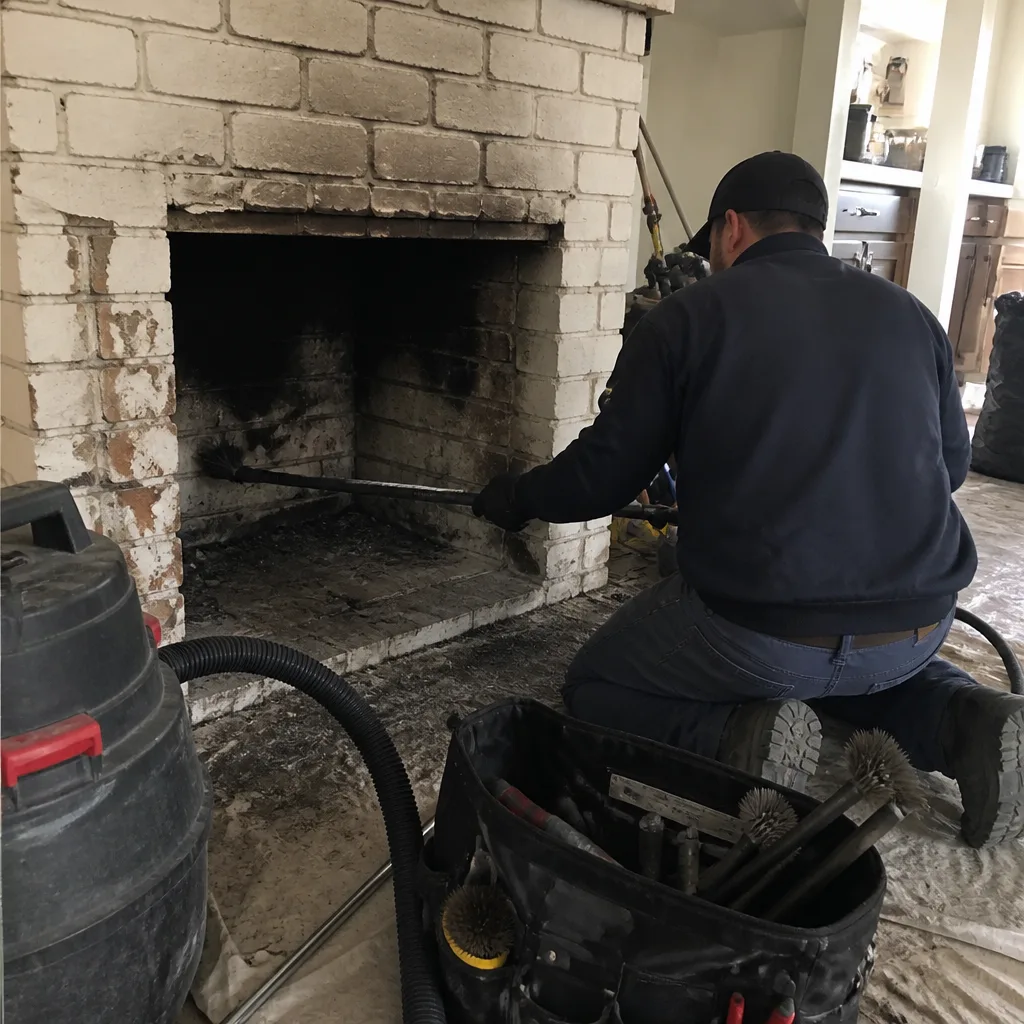 Before
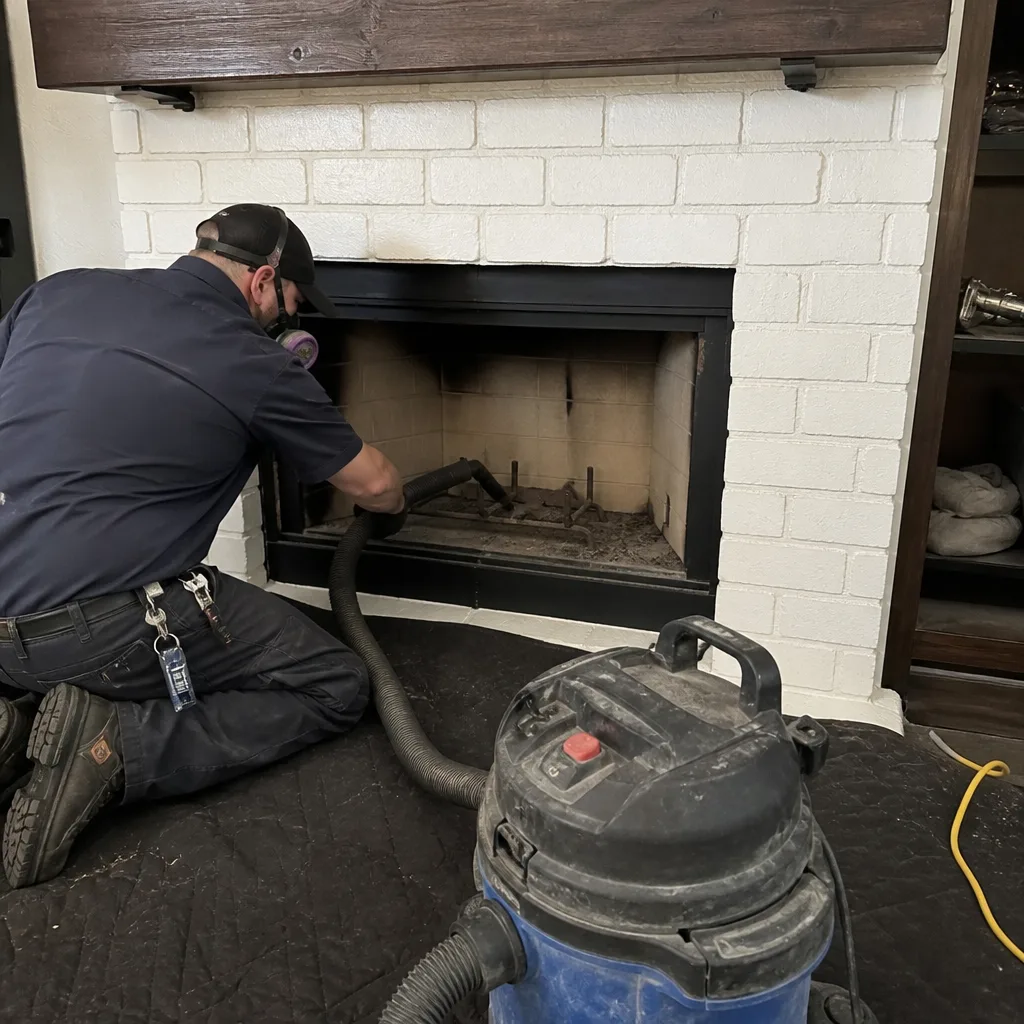 After
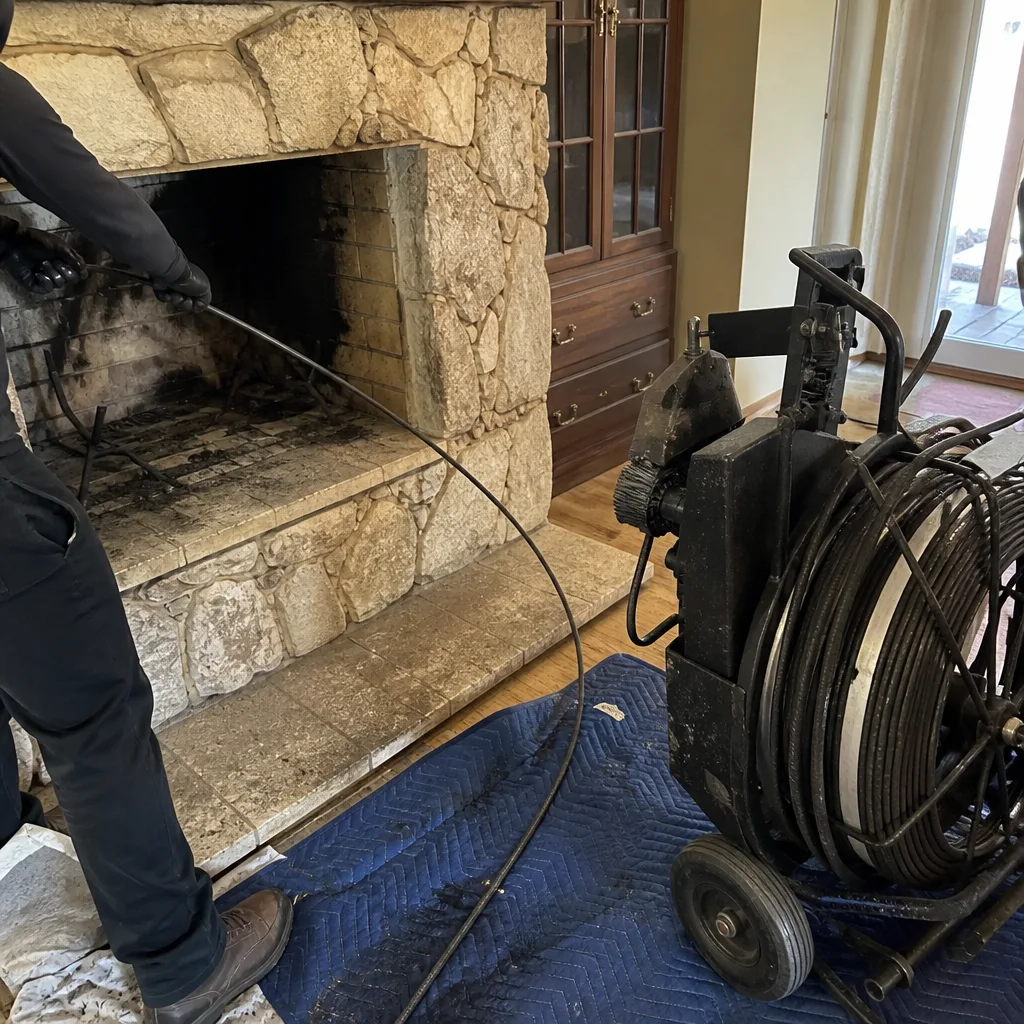 Before
 After
 Before
 After