
Last updated November 3, 2026
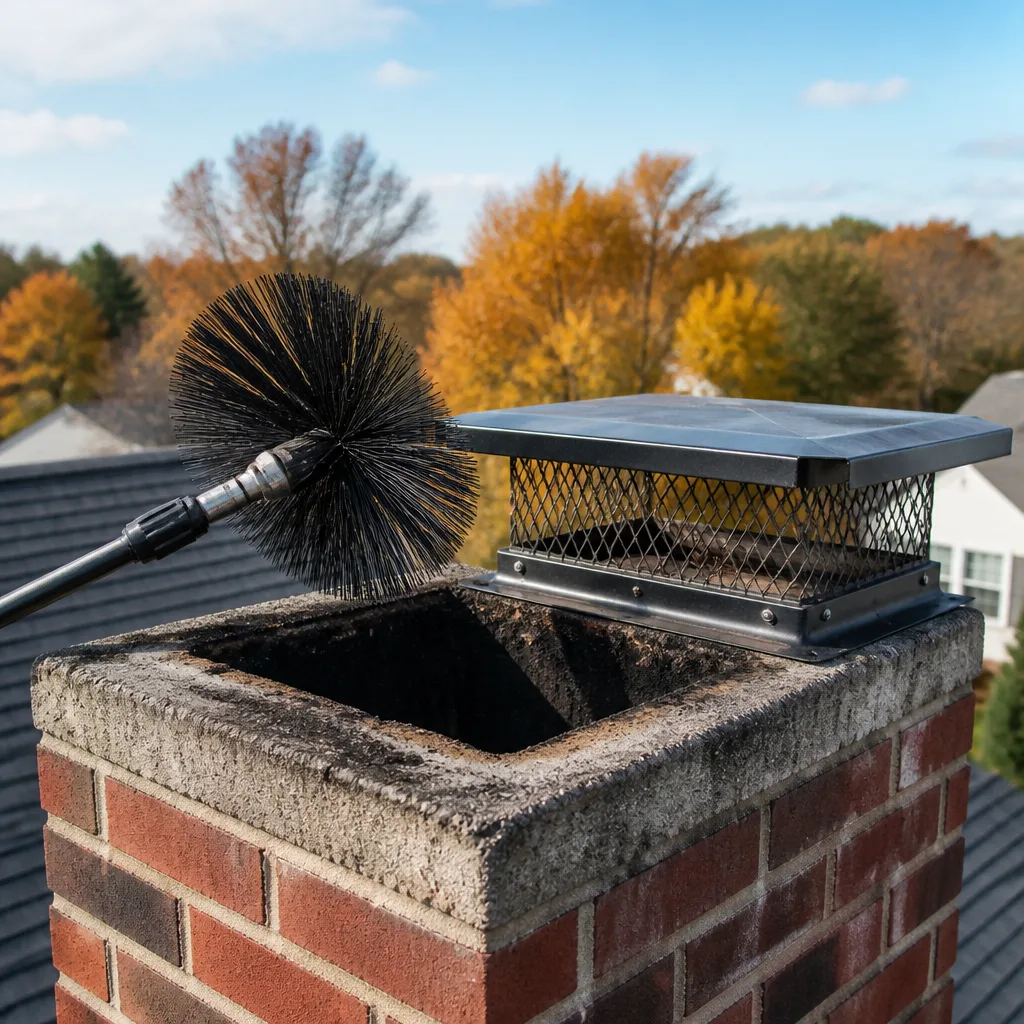 Sweep & inspection
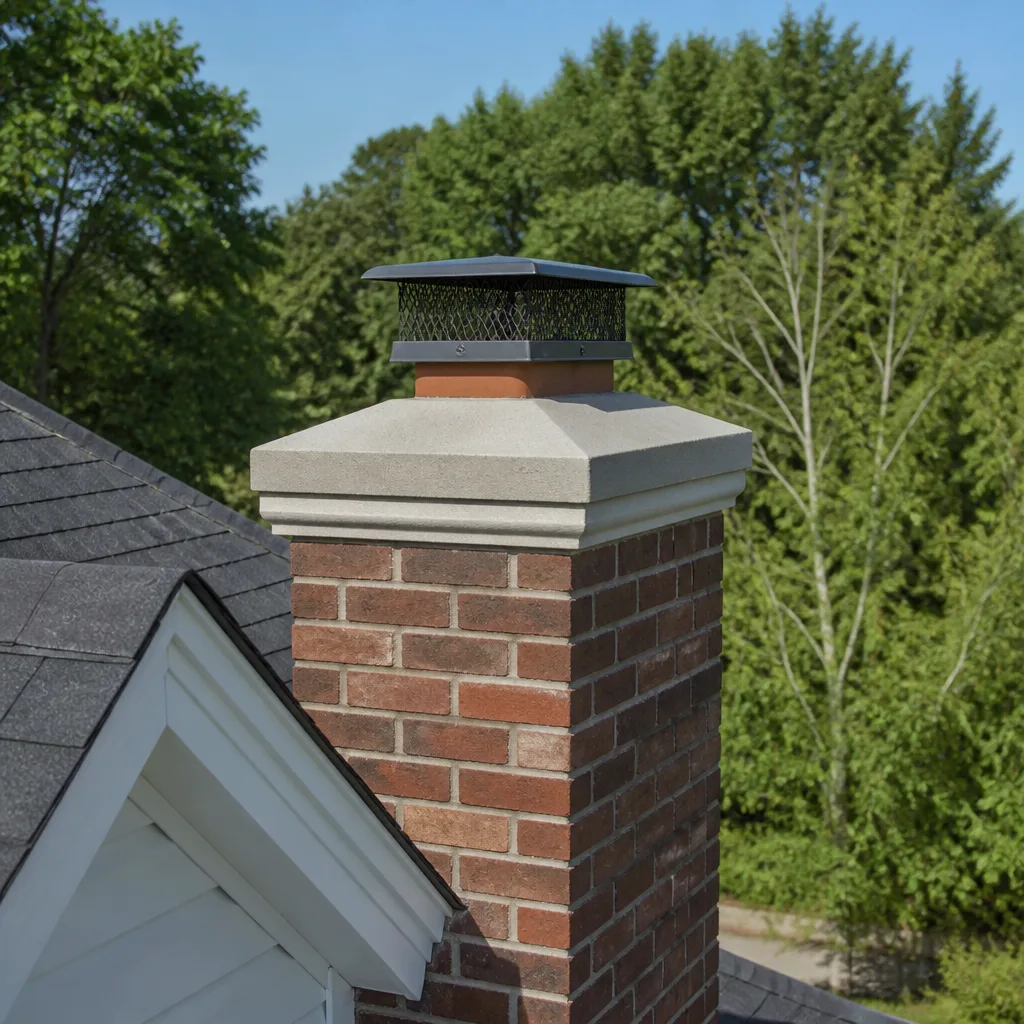 Caps & crowns
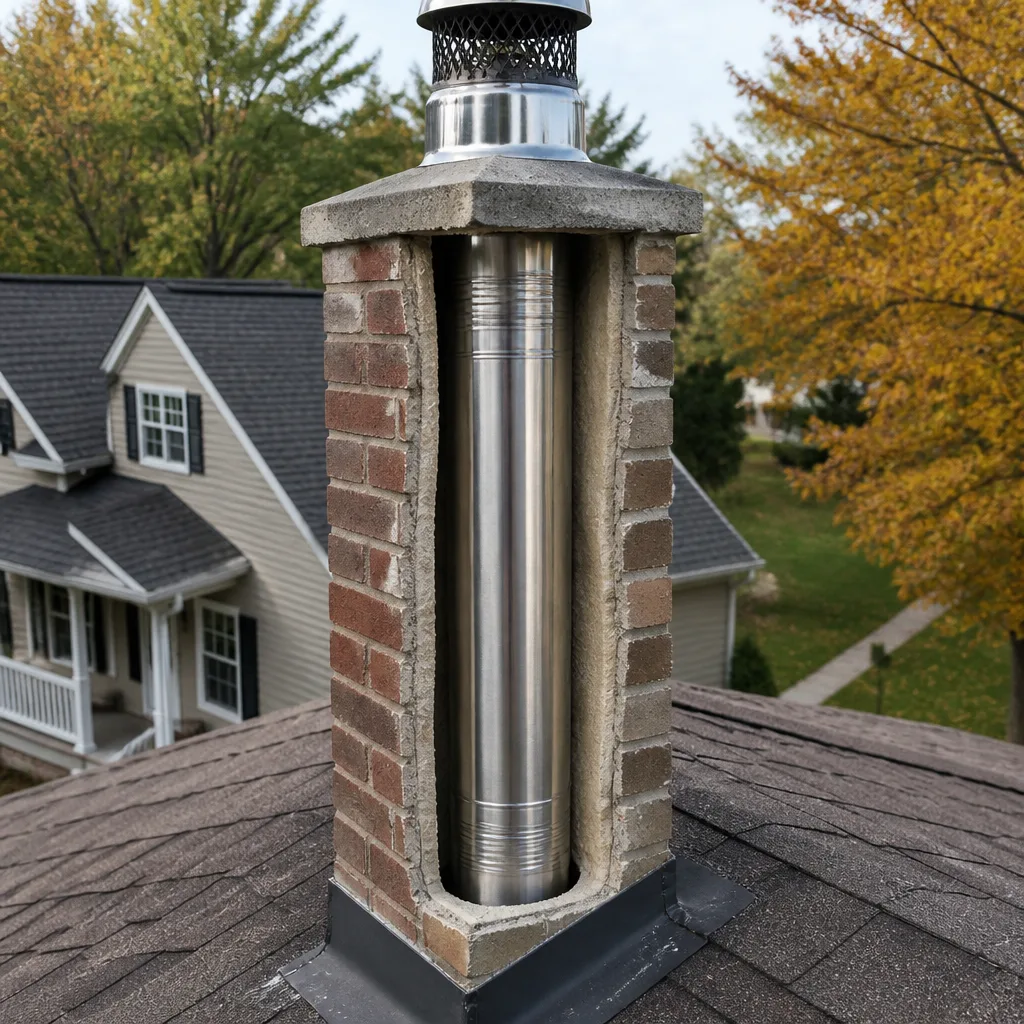 Flue relining
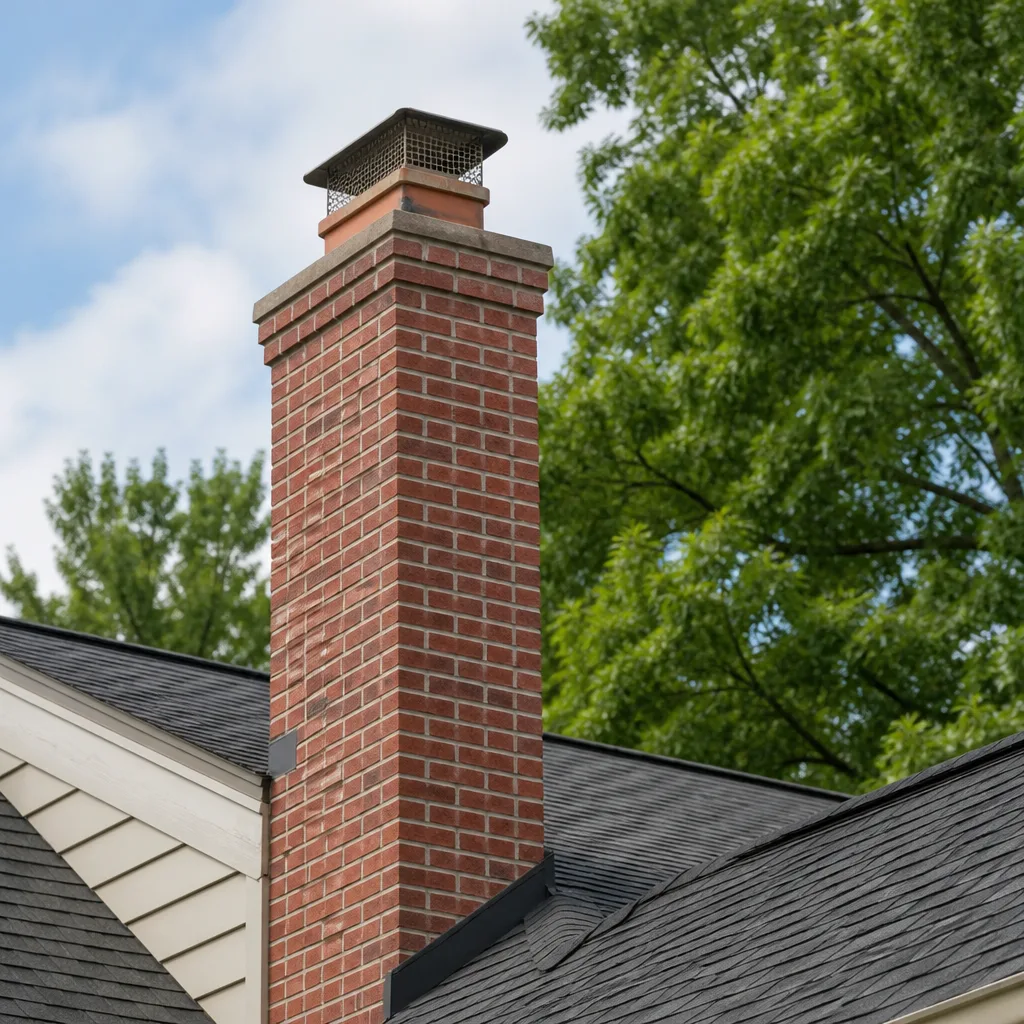 Masonry repair
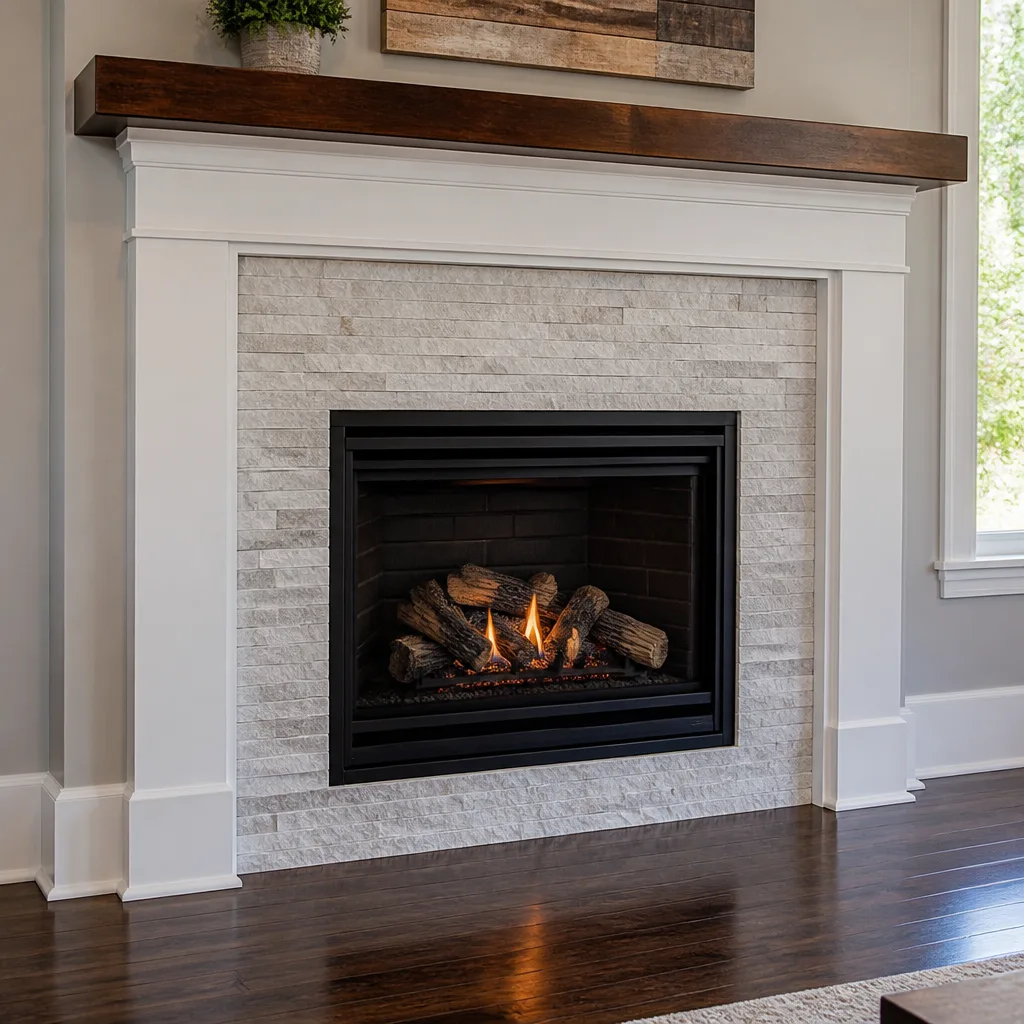 Gas fireplace service
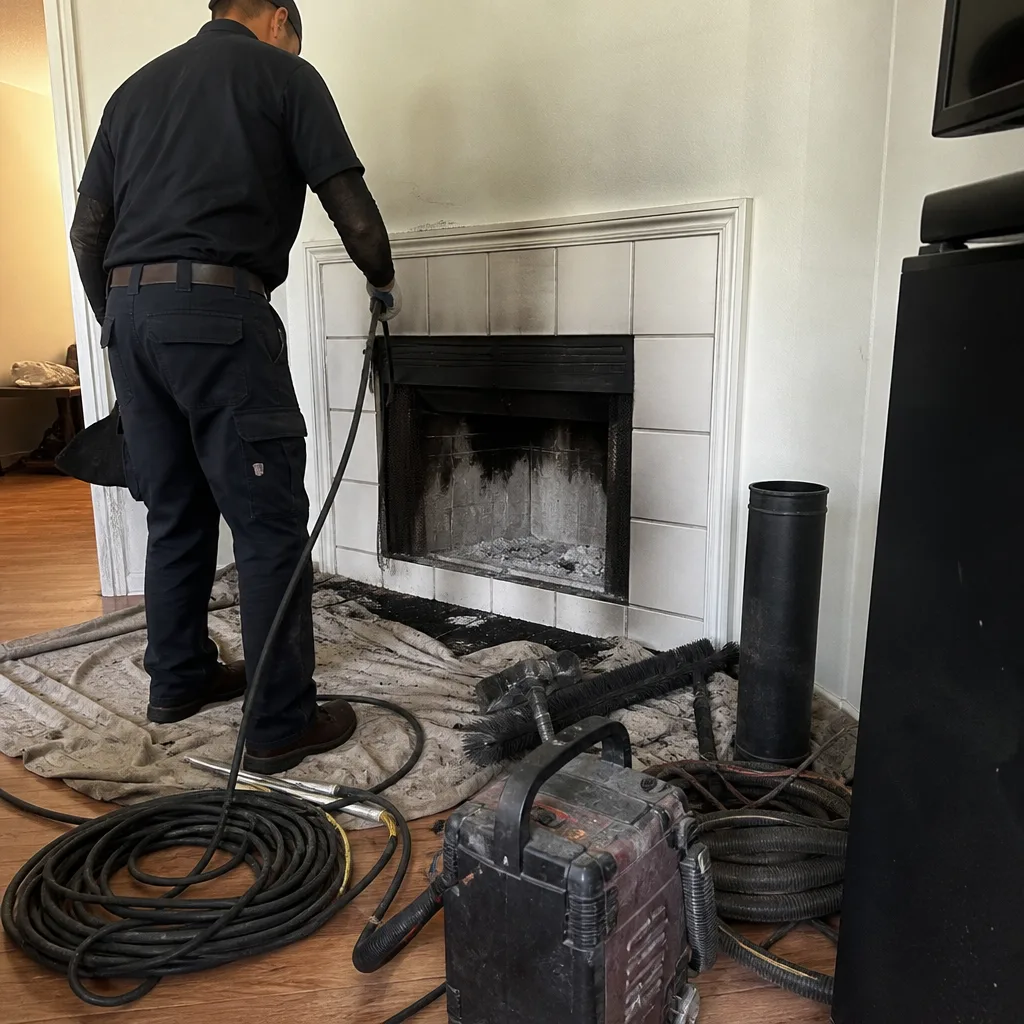
Level 1 sweep and inspection to the NFPA 211 annual standard - flue, crown, cap, and flashing checked and photographed
Chimney sweep logs do not sweep chimneys. They loosen some creosote - which then falls where a brush and vacuum still have to collect it.
Choosing the Right Chimney Cleaning Brand: A Buyer’s Guide for Chino
Most homeowners in Chino spend more time researching a $40 phone case than the product going inside a $4,000 chimney system. That’s backwards. The materials a sweep specifies, the liner grade they stock, the sealant they apply, those choices determine whether your chimney performs safely for five years or twenty-five. This guide teaches you how to evaluate a chimney contractor by their product specifications, not their marketing, and how one conversation can separate a trade-level operator from a surface-cleaning generalist. For more guides & resources on chimney care, see our blog. We’ll cover the professional product tier, the liner grades that matter, the questions that expose who actually knows their materials, and why Chino’s wood-burning culture makes all of it relevant to your house.
Styles & brands we work with
- Sweep & inspection
- Caps & crowns
- Flue relining
- Masonry repair
- Gas fireplace service
Quick Answer
The right chimney cleaning brand for a Chino home is less about a company logo and more about the product lines they specify, as covered in our The Complete Chimney Sweep Guide for Chino Homeowners. A contractor working with UL-listed systems like DuraFlex stainless liners, HeatShield Cerfractory sealant, and Copperfield Chimney Supply components is operating from a fundamentally higher technical baseline than one sourcing unrated materials from a wholesale discounter. Ask any candidate one question before booking: “What liner product are you specifying, and what’s its UL listing?” Their answer tells you everything.
Table of Contents
- Why the Products a Sweep Uses Matter More Than Their Reviews
- The Professional Product Tier, Explained
- 316L vs 904L vs Aluminum: Liner Grades That Actually Matter in Chino
- HeatShield Cerfractory Sealant: What It Does That Generic Refractory Cement Can’t
- Five Questions That Separate Material-Savvy Contractors From Everyone Else
- How to Cross-Reference a Product Recommendation Before Signing Anything
- Why Dryer Vent Cleaning Belongs in the Same Conversation
- What You Should Expect to Pay in Chino for Product-Specified Work
- Common Mistakes to Avoid
- When to Call a Professional
- Frequently Asked Questions
- The Bottom Line
Why the Products a Sweep Uses Matter More Than Their Reviews
Reviews tell you whether a contractor showed up on time and was polite. They don’t tell you whether the liner they installed is rated for the temperatures your wood stove produces. They don’t tell you whether the sealant they applied to your smoke chamber will survive five seasons of creosote exposure. A five-star review reflects a smooth transaction. Product specifications reflect technical competence that either protects your home or quietly fails.
In our experience servicing Chino homes, we’ve opened chimneys that were cleaned regularly but lined with the wrong material for the appliance attached to them. The homeowner was diligent. The previous contractor wasn’t. The distinction matters because a chimney is a fire containment system, not a cosmetic feature. When the products inside it are wrong, no amount of sweeping frequency fixes the underlying risk.
Here’s the practical reality: a contractor who specifies products by name usually knows why they chose that product. Ask them what liner they installed and they’ll tell you the grade, the listing, and the reason. Ask a budget operation the same question and you’ll get vague answers about “high quality materials” with no specifics. That vagueness isn’t modesty. It’s usually a sign the contractor cannot defend their choices because they never made any. They bought whatever was cheapest at the supply counter that week.
This guide exists because Chino homeowners deserve a way to verify technical claims before signing a work order, and complements our The Complete Chimney Sweep Guide for Chino Homeowners. You can’t watch a contractor resurface a smoke chamber and evaluate the molecular bond of the sealant. But you can ask which product they’re using, look up the manufacturer’s installation spec, and see if their description matches. That’s the verification path, and it’s available to every homeowner willing to ask three questions.
If you’re starting from zero, review our Chimney Sweep Chino home page to understand the full scope of services a ventilation-safety specialist should offer. Then come back here to learn how to evaluate the products behind those services.
The Professional Product Tier, Explained
There are three levels of chimney product sourcing. The first is hardware-store retail: off-the-shelf caps, generic cement, thin aluminum liners. Fine for a weekend repair, not appropriate for a primary heating appliance. The second is wholesale commercial: unrated or minimally rated products bought in bulk, often the same generic castings with different branding. The third is professional trade tier: products specified by engineers, listed by testing agencies, and recognized by inspectors and insurance carriers. That’s where DuraFlex, HeatShield, and Copperfield sit.
DuraFlex is a flexible stainless-steel liner system that carries UL 1777 listing, the testing standard for chimney liners in the United States. It’s available in two alloy grades: 316L, the standard stainless used in most residential installations, and 904L, a higher-alloy grade engineered for harsher conditions like coal burning or extreme moisture exposure. The UL 1777 listing means the product has been independently tested to withstand the temperatures and corrosive byproducts a chimney liner faces. Not all flexible liners carry this listing, and the ones that don’t are cheap for a reason.
HeatShield is a Cerfractory flue sealant system specifically engineered for chimney restoration. It’s not generic masonry cement. It’s a ceramic-based refractory material designed to bond to damaged flue tiles and create a smooth, insulated, high-temperature-resistant surface inside your existing chimney. It attacks the problem of cracked flue tiles and deteriorating mortar joints without requiring complete relining, which is expensive and often unnecessary.
Copperfield Chimney Supply is one of the largest professional chimney supply houses in North America. Their components, dampers, caps, chase covers, flashing, are what working chimney contractors across the country order when they need parts that meet code and perform under real conditions. When a contractor sources from Copperfield, they’re on the same supply chain as the inspection-grade operators, not the weekend repair crowd.
Here’s why this matters for a Chino home: wood-burning fireplaces in our area see regular use from October through March. Creosote accumulates. Flue temperatures fluctuate dramatically between a cold January morning and a fully engaged fire. The products inside need to handle those cycles without degrading. Professional-tier products are designed and tested for exactly that. Cheap alternatives are not.
We specify products by name because materials matter. It’s not branding snobbery. It’s the difference between a liner that’s rated for your appliance and one that merely fits inside the existing flue.
316L vs 904L vs Aluminum: Liner Grades That Actually Matter in Chino
The most consequential product decision in a chimney system is the liner. It’s also the one most likely to be made without homeowner knowledge. A contractor gives you a quote for “a new liner,” and unless you ask, you never learn what alloy, what thickness, what listing. Most people never ask. That’s a mistake, because the differences are not subtle.
Here’s the breakdown:
- Aluminum flexible liner: The budget option. It’s code-compliant in narrow, specific applications, typically only for certain natural gas or propane appliances. It is not appropriate for wood-burning applications. It cannot withstand the temperatures a wood fire produces, nor the corrosive byproducts. If someone quotes you an aluminum liner for a wood-burning fireplace, that’s an immediate disqualification. Walk away.
- 316L stainless steel: The reference standard for residential wood-burning and gas applications. The “L” means low carbon, which improves corrosion resistance. The 316 grade indicates molybdenum content, which gives the alloy its resistance to acid attack, and creosote is acidic. This is the alloy most professional installations specify for wood-burning appliances in Southern California.
- 904L stainless steel: A higher-end alloy with more molybdenum, copper, and nickel in the mix. It offers measurably better corrosion resistance than 316L and is specified for coal burning, high-moisture environments, or installations where the liner may see unusually aggressive conditions. For most Chino homes, 316L is the right balance of performance and cost. But the fact that 904L exists and is available tells you something: there’s a performance ladder, and knowledgeable contractors know where your application sits on it.
In Chino, where wood-burning fireplaces remain common in older homes and many residents burn regularly through the winter, the liner grade decision isn’t academic. A 316L DuraFlex liner installed correctly will outlast a no-name aluminum liner ten times over, and it will do so while actually protecting the home. The aluminum liner gives a false sense of protection, and in a wood-burning application, it can fail through corrosion or structural breakdown.
The question to ask any contractor quoting a liner installation is simple: “What alloy are you specifying, and what’s the UL listing?” A professional answers immediately. A generalist hesitates.
HeatShield Cerfractory Sealant: What It Does That Generic Refractory Cement Can’t
Smoke chambers are the most overlooked component in residential chimneys. They sit above the firebox and below the flue, designed to funnel smoke smoothly upward. They’re built with corbeled brick, which creates ledges and gaps where creosote accumulates. They’re difficult to access and even harder to clean properly. And when the mortar joints inside a smoke chamber start deteriorating, you have a problem that cleaning alone cannot fix.
This is where the product distinction gets sharp. A contractor may propose “smoke chamber repair” using generic refractory cement, the same stuff available at any masonry supply. That will patch the visible cracks. It will not create a smooth, insulated surface across the entire chamber. It will not bond reliably to the underlying brick at high temperatures. Give it a few seasons, and it starts spalling, flaking, and failing.
HeatShield Cerfractory Flue Sealant is engineered for this specific application. It’s a ceramic-based material that bonds to the existing masonry and creates a smooth, continuous, high-temperature surface. The product is applied through a specialized process that coats the entire smoke chamber, not just the visible cracks. It restores the chamber’s function: smooth smoke flow, reduced creosote accumulation points, and a surface that can handle repeated heating cycles without degrading.
The technical reason this matters: ceramic refractory materials have thermal expansion characteristics closer to the underlying masonry than generic cement. That means they expand and contract with the chimney as it heats and cools, maintaining the bond instead of cracking under thermal stress. Generic cement doesn’t. It may look fine on the day it’s applied. It won’t five years later.
For a Chino homeowner whose chimney has a deteriorating smoke chamber, the choice between generic cement patchwork and HeatShield is the difference between redoing the repair every few years and solving the problem properly. The HeatShield route typically costs more upfront but eliminates recurring repair cycles. It’s also a product an inspector or insurance carrier recognizes as a legitimate restoration method, which matters for safety verification and property value.
Full disclosure: we offer Chimney Repair in Chino that includes HeatShield restoration. We chose that product line because it solves the problem correctly, and because its installation specs are publicly documented, which means our work can be verified against a manufacturer standard.
Five Questions That Separate Material-Savvy Contractors From Everyone Else
You don’t need to become a chimney engineer to evaluate a contractor. You need to ask questions that expose whether the contractor is operating at a professional level or winging it. Here are five, in order of importance:
- “What liner product are you specifying, and what’s its UL listing?” This is the single most revealing question. A professional answers with a brand, an alloy grade, and a listing reference. A non-professional gives you a blank look or a vague answer about “industrial grade” materials. There’s no recovery from a failed answer here.
- “What sealant or resurfacing product do you use for smoke chamber work?” Listen for specificity. “HeatShield Cerfractory” is an answer. “Refractory cement” is a red flag if it’s presented as equivalent. It isn’t. Ask follow-up questions: what’s the temperature rating, what’s the bond mechanism, how long has the product been on the market?
- “Can you walk me through the installation spec for that product?” A contractor who installs a product should know the manufacturer’s installation requirements: application thickness, curing time, temperature ranges, substrate preparation. If they can’t describe these basic parameters, they haven’t been trained on the product and shouldn’t be installing it.
- “What’s the alloy grade on the liner you’re quoting?” This separates quotes that are genuinely different from quotes that are just different prices. A 316L liner costs more than aluminum, and a 904L costs more than 316L. If two quotes are wildly different in price and neither specifies alloy grade, you’re not comparing apples to apples. You’re comparing unlabeled mystery metal.
- “Who supplies your components, caps, dampers, chase covers?” “A local supply house” is not an answer. Professional contractors buy from professional supply lines like Copperfield or Olympia Chimney because those sources carry rated, code-compliant components. When a contractor names their supply line, you can verify that supply line sells professional-grade parts. When they don’t, you can’t verify anything.
We’ve sat through homeowner calls where the person on the other end had called six contractors and received six different answers to the same question, a dilemma explored in our DIY vs Professional Chimney Cleaning: The Chino Homeowner’s Decision Guide. The ones who got clear, specific answers to these five questions were the ones who ended up with safe, correctly specified work. The ones who didn’t ask are the ones we end up fixing later.
How to Cross-Reference a Product Recommendation Before Signing Anything
Here’s a method most homeowners never use, and it costs you fifteen minutes: verify the product spec yourself. Every professional-grade chimney product has publicly available documentation from the manufacturer. Installation specs, temperature ratings, listing numbers, material composition. All of it is online, and most of it is written to be read by contractors and inspectors, not just engineers.
The process looks like this:
- Get the exact product name from the contractor. Not “a flexible liner.” Ask for the brand, the model or product line, and the alloy grade. “DuraFlex 316L,” for example, is a complete enough specification to work with.
- Pull up the manufacturer’s product page and installation manual. Look for the UL listing number, the temperature rating, and the intended applications. Does the product match what the contractor is proposing to use it for? If they’re quoting a gas-only liner for a wood-burning application, the manufacturer’s own documentation will tell you that’s wrong.
- Check the installation requirements. Proper installation is as important as proper product selection. If the contractor’s described method differs materially from the manufacturer’s spec, that’s a problem. It might mean they’re taking shortcuts, or it might mean they don’t actually know the product well enough to install it correctly.
- Verify the supply line. If the contractor says they source from Copperfield, that’s checkable. Copperfield’s product line is publicly catalogued, and you can see whether the products they’re quoting appear in professional supply lines. If the products only appear on a drop-ship aggregator site with no technical documentation, that’s a warning sign.
This cross-referencing approach isn’t about being adversarial. It’s about having a verifiable basis for trust. A contractor who specifies products with listed ratings and publicly documented installation specs is inviting scrutiny. A contractor who won’t name products or hides behind vague sourcing is avoiding it. The distinction is almost always visible in the first conversation, if you ask the right questions.
The same logic applies when you’re evaluating a broader service scope. A company offering Chimney Sweep in Chino should be equally specific about their process: what brush types they use, how they protect the home during cleaning, what they document in the inspection report. Specificity is the signal. Vagueness is the noise.
Why Dryer Vent Cleaning Belongs in the Same Conversation
Your dryer vent is a ventilation exhaust system, just like your chimney. Lint is the dryer vent’s creosote: it accumulates, it’s highly flammable, and it restricts airflow until something fails. The U.S. Fire Administration identifies dryer vent fires as a leading cause of residential fires, and the mechanism is predictable: restricted airflow causes heat buildup, heat ignition of built-up lint, fire spreads through the duct into the house.
This isn’t a side note to chimney safety. It’s the same category of risk, and it’s handled with the same discipline: professional-grade evaluation, proper cleaning method, and verification afterward. A homeowner whose dryer takes two cycles to dry a load is looking at a clogged vent, and a clogged vent is a fire hazard until it isn’t. We make sure it isn’t.
Chino homes often have longer dryer vent runs than you’d expect, particularly in older construction where the laundry room wasn’t planned with ventilation efficiency in mind. Every extra foot of duct, every 90-degree turn, every sag creates a lint collection point. A professional Dryer Vent Cleaning in Chino addresses the whole run, not just the accessible section behind the dryer.
The product-specificity principle applies here too, although the materials are simpler. Professional vent cleaning uses rotary brush systems sized to the duct diameter, not the hardware-store flexible rod set. It uses inspection cameras to verify the vent is clean before the job is signed off. You can’t evaluate the cleaning itself until after it’s done, but you can ask what tools they use and whether they document the result. The same pattern as chimney work: specifics signal professionalism, vagueness signals otherwise.
What You Should Expect to Pay in Chino for Product-Specified Work
Pricing in the chimney industry is inconsistent because the product tier varies so widely. A “chimney sweep” from a generalist might cost $99. A sweep from a fireplace dealer might be $350. The difference isn’t just labor. The difference is what they’re doing in your chimney and what they’re putting back into it if repairs are needed.
Here’s a realistic breakdown for the Chino market, based on what we see quoting this work regularly:
- Standard chimney sweep and inspection: $180 to $340, depending on chimney height, complexity, and condition. This should include a camera inspection and written report. If a sweep quote doesn’t include camera inspection, ask why. The days of squinting up a dark flue with a flashlight and declaring it clean are over.
- Dryer vent cleaning: $120 to $250, depending on run length and accessibility. This should include before-and-after photo documentation. If it doesn’t, ask how you’ll verify the work.
- Smoke chamber resurfacing with HeatShield: $2,500 to $6,000, depending on chamber size and access complexity. This is a significant investment, but it’s an alternative to full relining that typically costs significantly more and involves more demolition.
- Full 316L stainless liner installation: $3,000 to $7,000 for a typical one-story Chino home, higher for two-story or complex installations. The product itself is a fraction of that cost; the labor is the majority.
- Aluminum liner (gas-only applications): $1,000 to $2,500. Notice it’s cheaper. There’s a reason.
These ranges are estimates for planning purposes. Every chimney is different, and until someone looks inside with a camera, any number is provisional. What matters is that when you compare quotes, you’re comparing the same product tier. A $3,500 316L liner quote and a $1,800 aluminum liner quote are not two prices for the same job. They’re two different jobs wearing the same name.
Call us at (866) 321-6641 for a specific quote on your chimney. Estimates are free, and the inspection that comes with the estimate is real documentation, not a sales pitch.
Common Mistakes to Avoid
- Buying on price without asking for product specs. The cheapest quote is rarely the cheapest total cost. Ask what alloy, what listing, what sealant. If the answer is vague, the quote is worthless as a comparison tool.
- Assuming all “stainless steel” is the same. There’s a meaningful difference between 316L, 904L, and generic stainless. If the contractor can’t tell you which alloy they’re quoting, they don’t know what they’re selling.
- Accepting smoke chamber “repair” with generic cement. This is the most common cost-cutting repair in the industry, and it’s the one most likely to fail. Ask specifically what product they’re using. If it isn’t a ceramic refractory product like HeatShield, understand you’ll likely redo this in a few seasons.
- Treating dryer vent cleaning as optional. It’s not. A clogged dryer vent is a fire hazard with a known mechanism and a predictable outcome. The $150 cleaning is insurance against a multi-thousand-dollar fire loss, and against the inconvenience of a dryer that takes three cycles to dry a load.
- Skipping the cross-reference check. The manufacturer’s spec is online. Fifteen minutes of reading tells you whether the contractor’s proposal is technically sound or creative fiction. This is the single highest-value verification step available to a homeowner.
- Hiring a chimney sweep who won’t show you the inspection footage. If they can’t show you what they saw, you can’t verify what they did. Camera inspection is standard practice for professional chimney work. Anyone who resists it is hiding something, usually an upsell they can’t justify with evidence.
- Paying for relining without understanding the alternative. HeatShield restoration addresses many flue tile problems without full relining. It’s not right for every situation, but it’s a legitimate option a professional should at least discuss. A contractor who goes straight to full relining without evaluating a resurfacing option may be optimizing for their invoice, not your chimney.
When to Call a Professional
The decision points are straightforward. If you’ve just bought a home and don’t have documentation of the last chimney service, schedule an inspection. If you burn wood and haven’t had a sweep in 12 months, schedule one. If you notice any of these specific symptoms: smoke backing into the room, a strong creosote odor in warm weather, visible cracks in the firebox masonry, or a dryer that takes twice as long to dry a load, make the call now.
Some of these symptoms indicate immediate hazards, not maintenance delays. Smoke backing into the room can mean a flue obstruction or a draft problem. Cracks in the firebox can mean structural compromise. None of these should wait until next season. Chimney Sweep Chino offers free estimates in Chino, call (866) 321-6641 to book an inspection. The call costs nothing, and the information you get is verifiable.
Frequently Asked Questions
A professional chimney sweep in Chino typically costs $180 to $340, including camera inspection and a written report. Quotes below that range usually mean a surface-level cleaning without inspection documentation, which leaves you unable to verify what was actually done. Call (866) 321-6641 for a specific quote on your chimney, and get an exact number before you decide.
The difference is temperature rating and application. A 316L stainless liner is UL 1777 listed for wood-burning and gas applications, while an aluminum liner is only appropriate for certain gas-only installations and cannot withstand wood-burning temperatures or creosote corrosion. If a contractor quotes aluminum for a wood-burning chimney, that’s a disqualification.
Yes, if you want the sweep result to mean anything. A camera inspection is the only way to document flue condition, hidden cracking, and creosote buildup in hard-to-see areas. Without it, you’re taking the contractor’s word for what they saw, and you have no basis for evaluating repair recommendations. We include it in every sweep we do in Chino.
For smoke chamber repair, HeatShield is a ceramic refractory product engineered for high-temperature chimney applications, while generic refractory cement is not designed for the thermal cycling a smoke chamber experiences and tends to fail within a few seasons. The upfront cost is higher, but HeatShield eliminates recurring patch-up cycles.
At least once per burning season, and more often if you burn frequently or notice any performance changes. Chino’s mild winters mean many homeowners burn periodically rather than constantly, which can actually increase creosote accumulation risk because fires burn cooler and less completely. An annual sweep with inspection should be your baseline.
Creosote accumulates, and creosote is flammable. The National Fire Protection Association identifies creosote buildup as the primary cause of chimney fires, which can crack flue tiles, damage the liner, and spread to the house. What starts as a $250 cleaning can become a $7,000 relining job or worse. The math doesn’t favor skipping it.
The Bottom Line
The products a chimney contractor specifies tell you more about their competence than any number of five-star reviews. A contractor who installs DuraFlex 316L liners, applies HeatShield Cerfractory sealant, and sources components from Copperfield is working from a verifiable technical standard. One who can’t name their products is asking you to trust a process they can’t defend. In Chino, where wood-burning remains part of the seasonal routine, the distinction isn’t academic. It’s the difference between a chimney that protects your home and one that quietly doesn’t. Ask the material questions. Verify the answers. The documentation is public, and the process takes less time than ordering dinner. Call (866) 321-6641 if you want the material-savvy conversation, not a sales pitch.
Written by the team at Chimney Sweep Chino, serving Chino since 2011.
See the difference
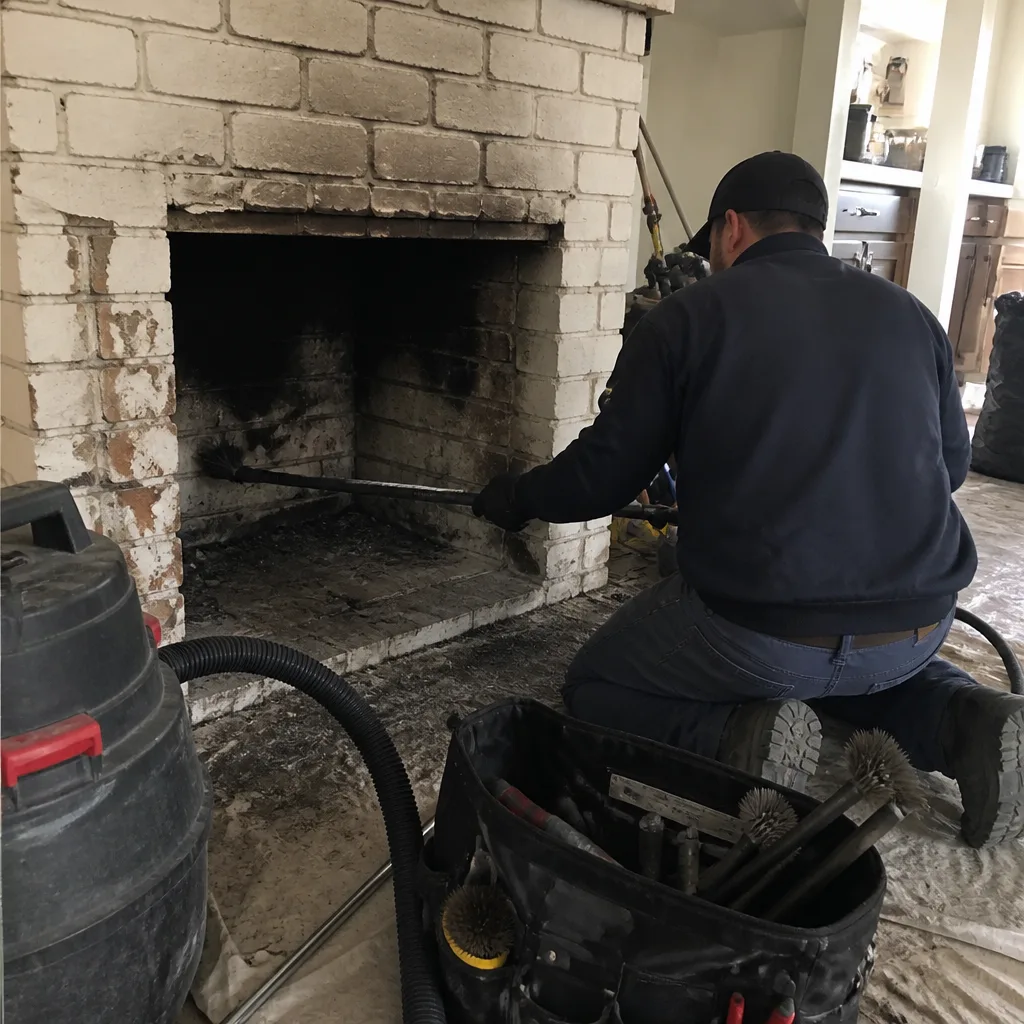 Before
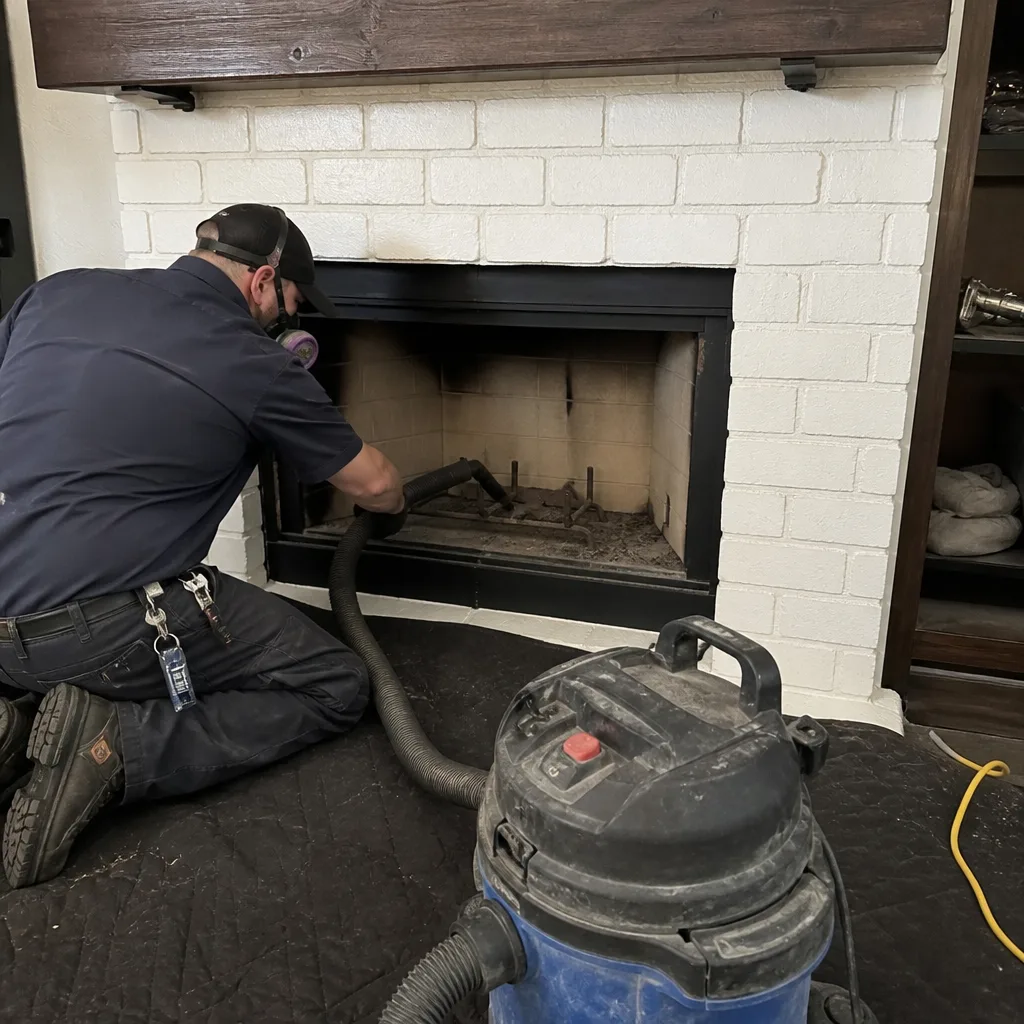 After
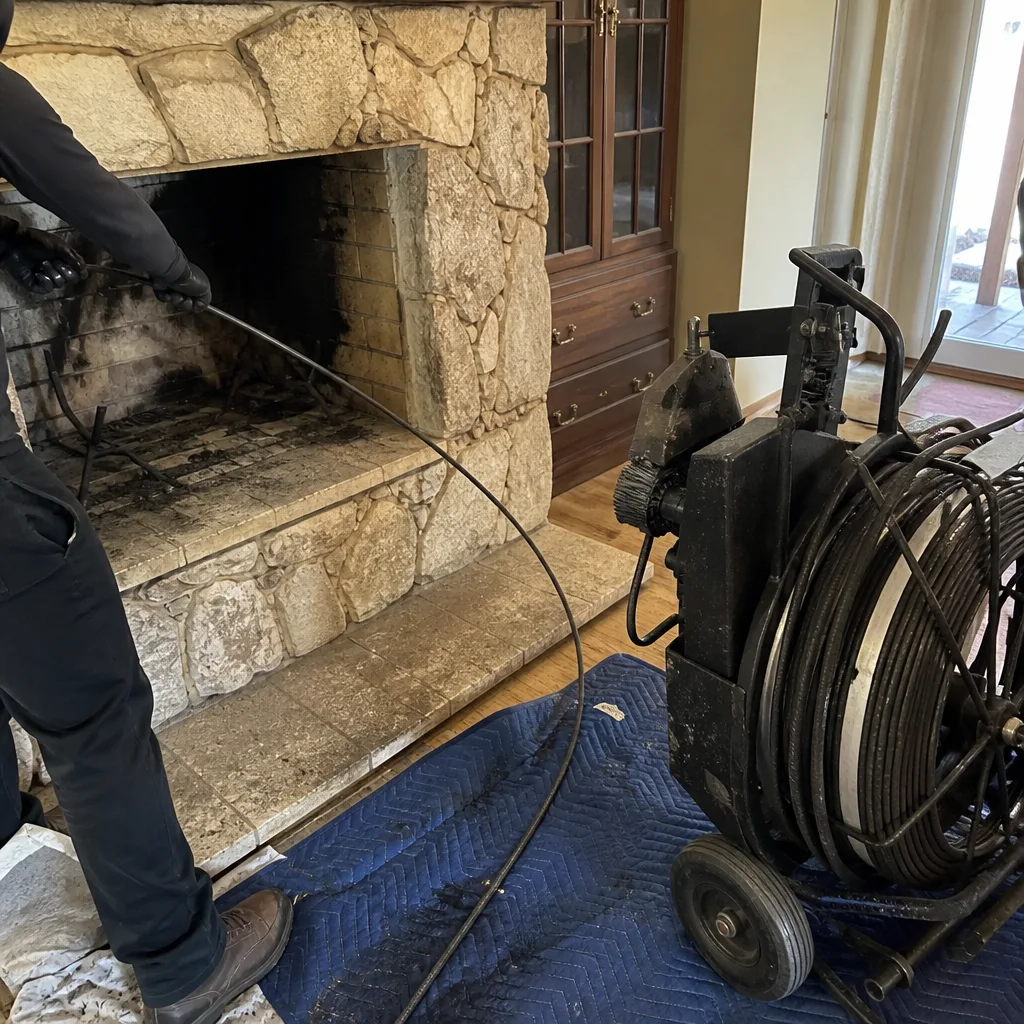 Before
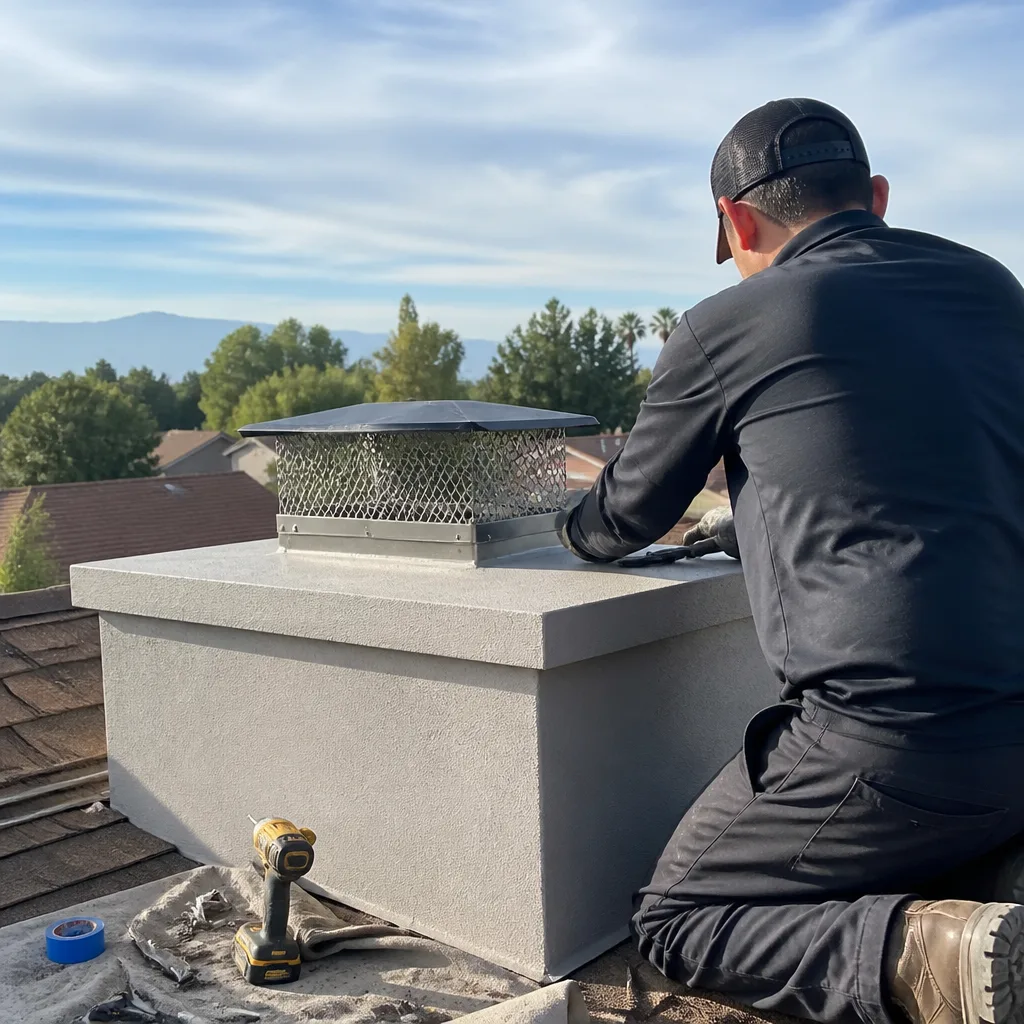 After
 Before
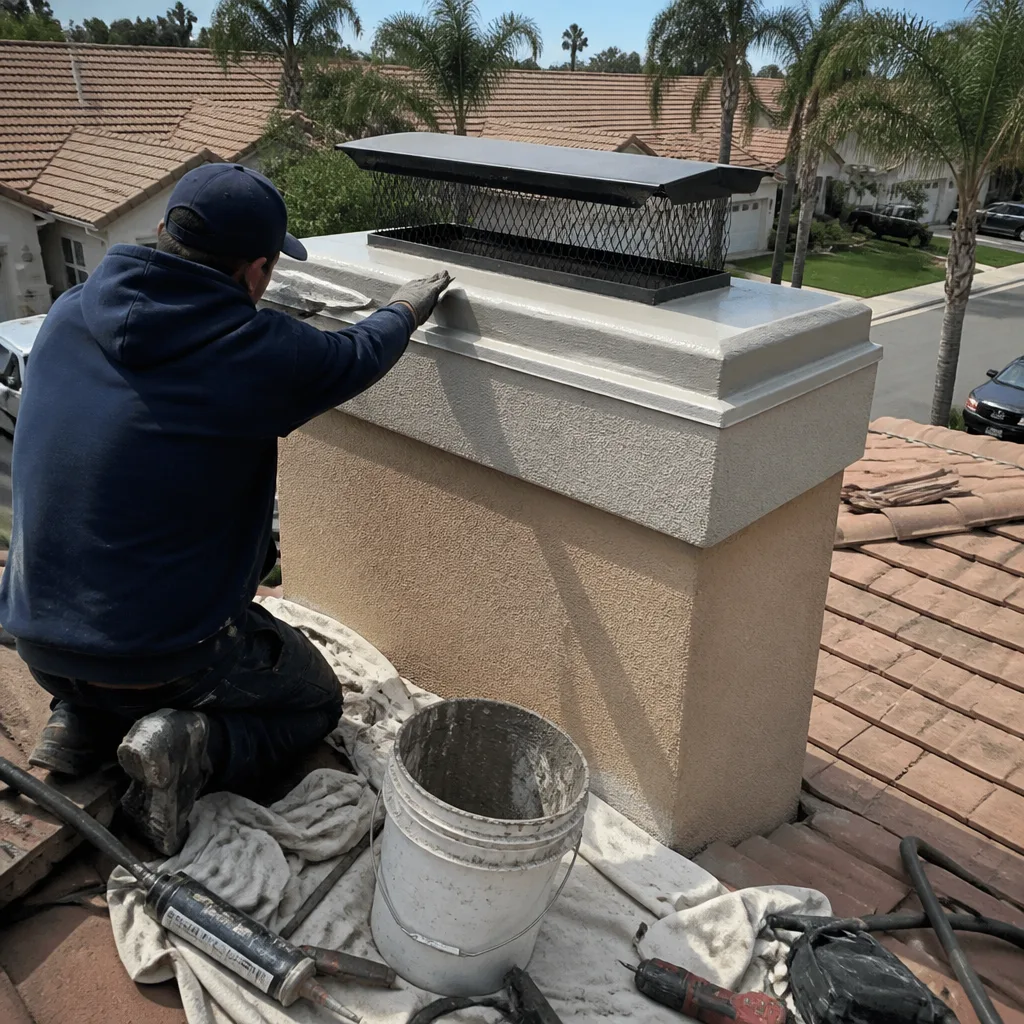 After