
Last updated November 2, 2026
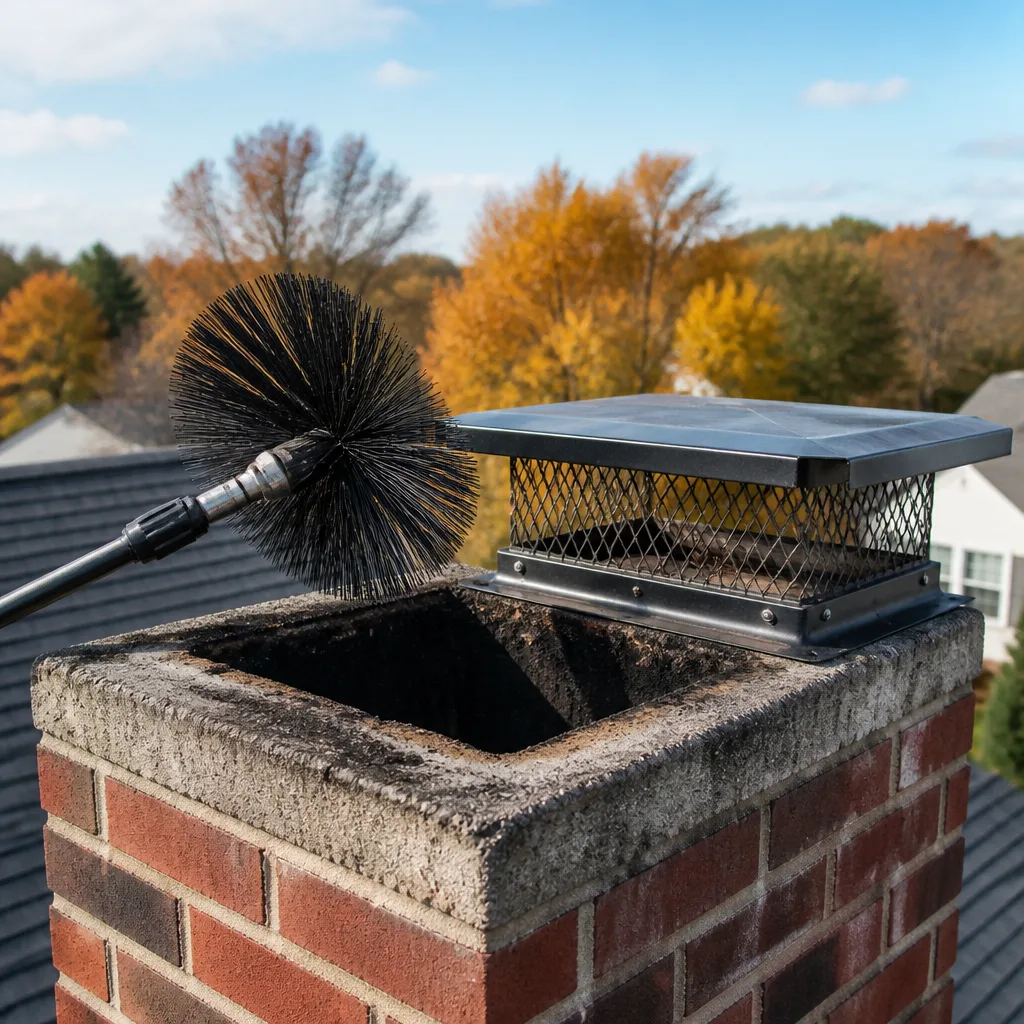 Sweep & inspection
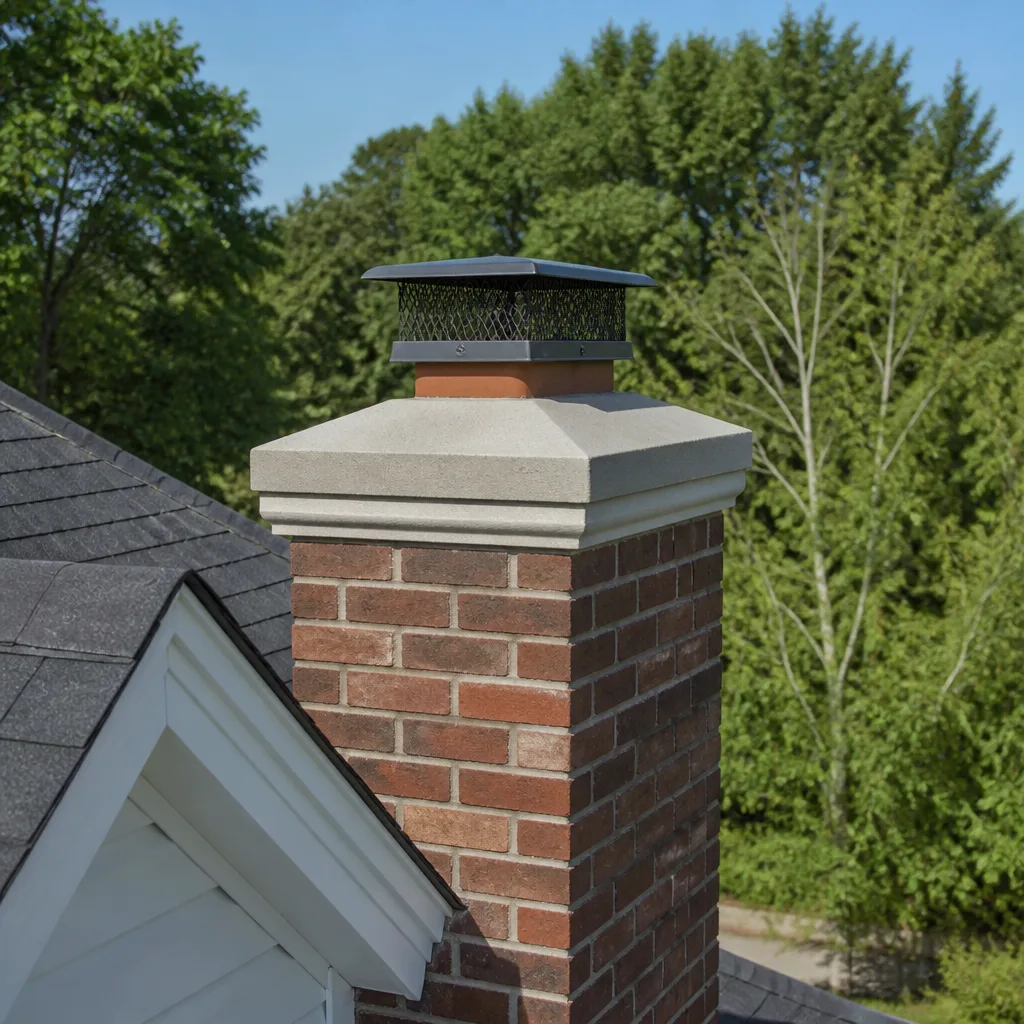 Caps & crowns
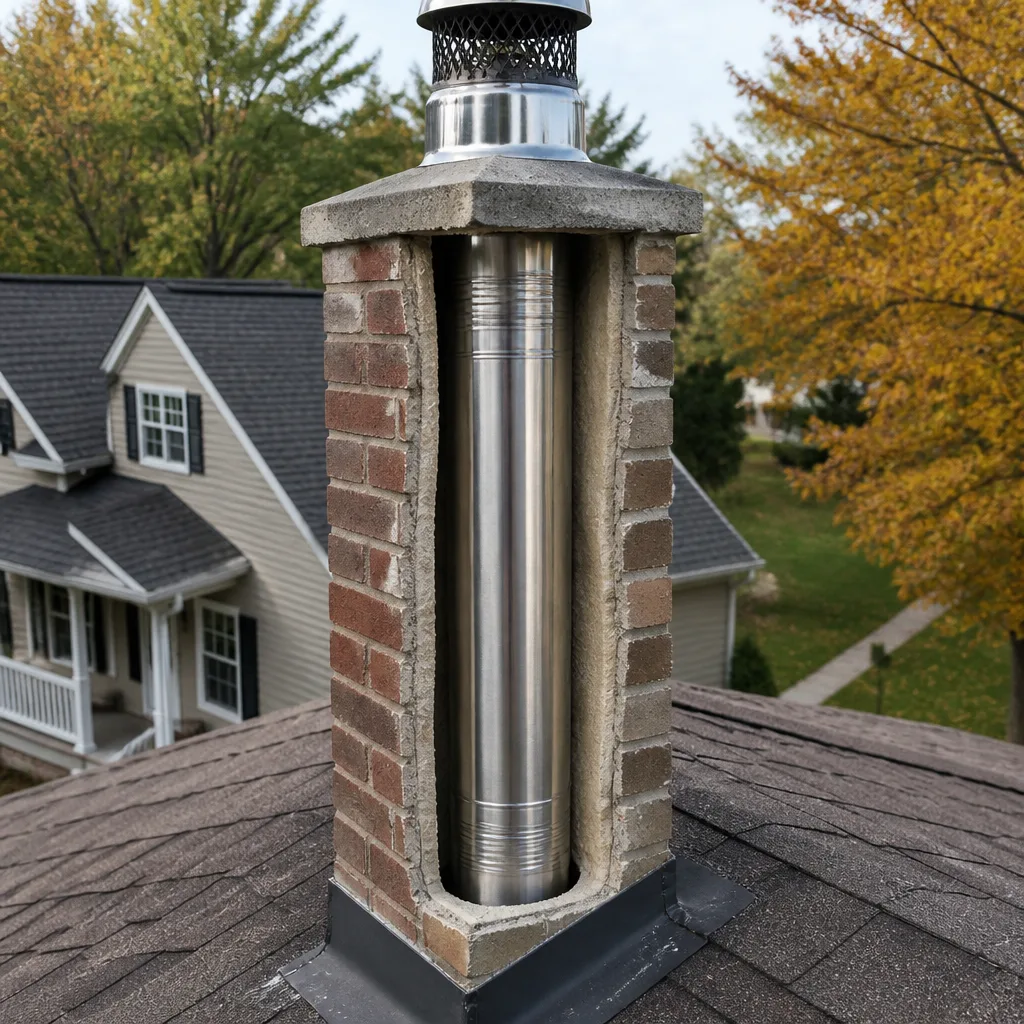 Flue relining
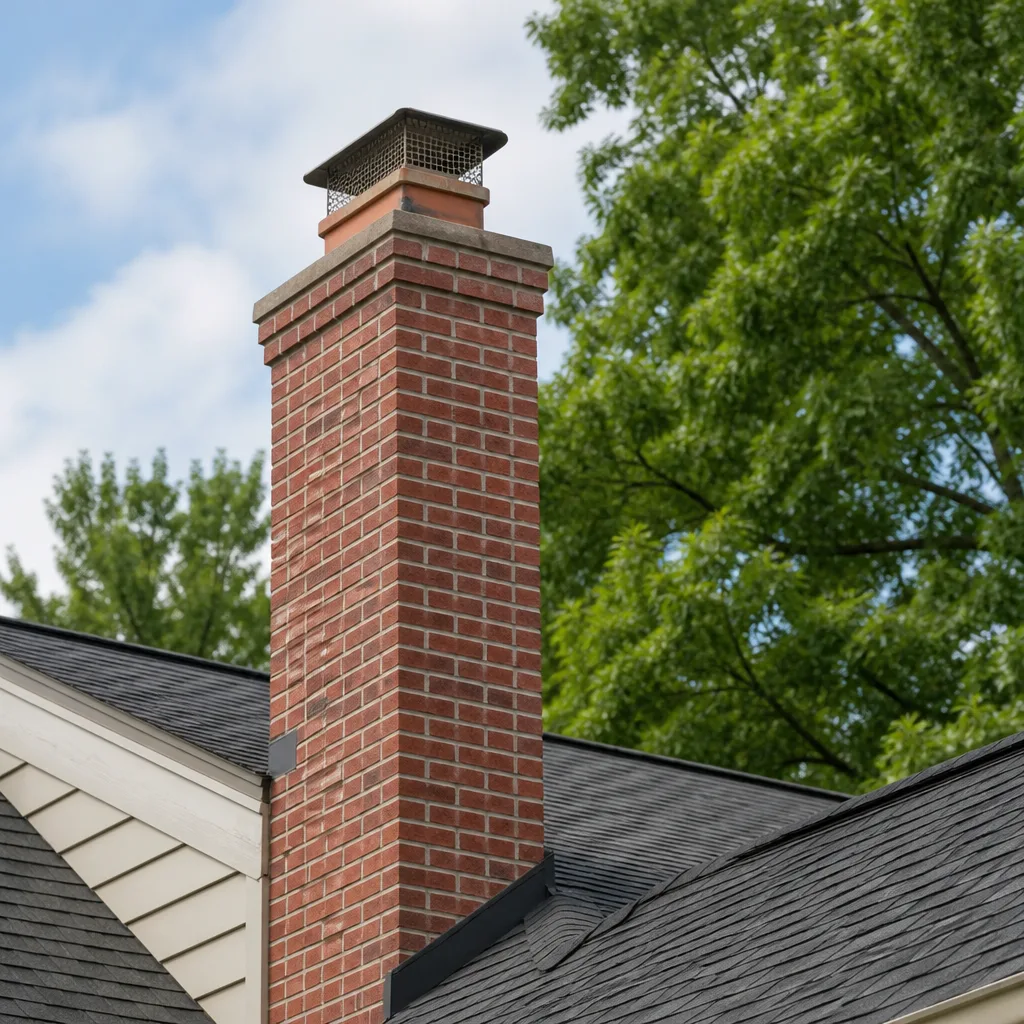 Masonry repair
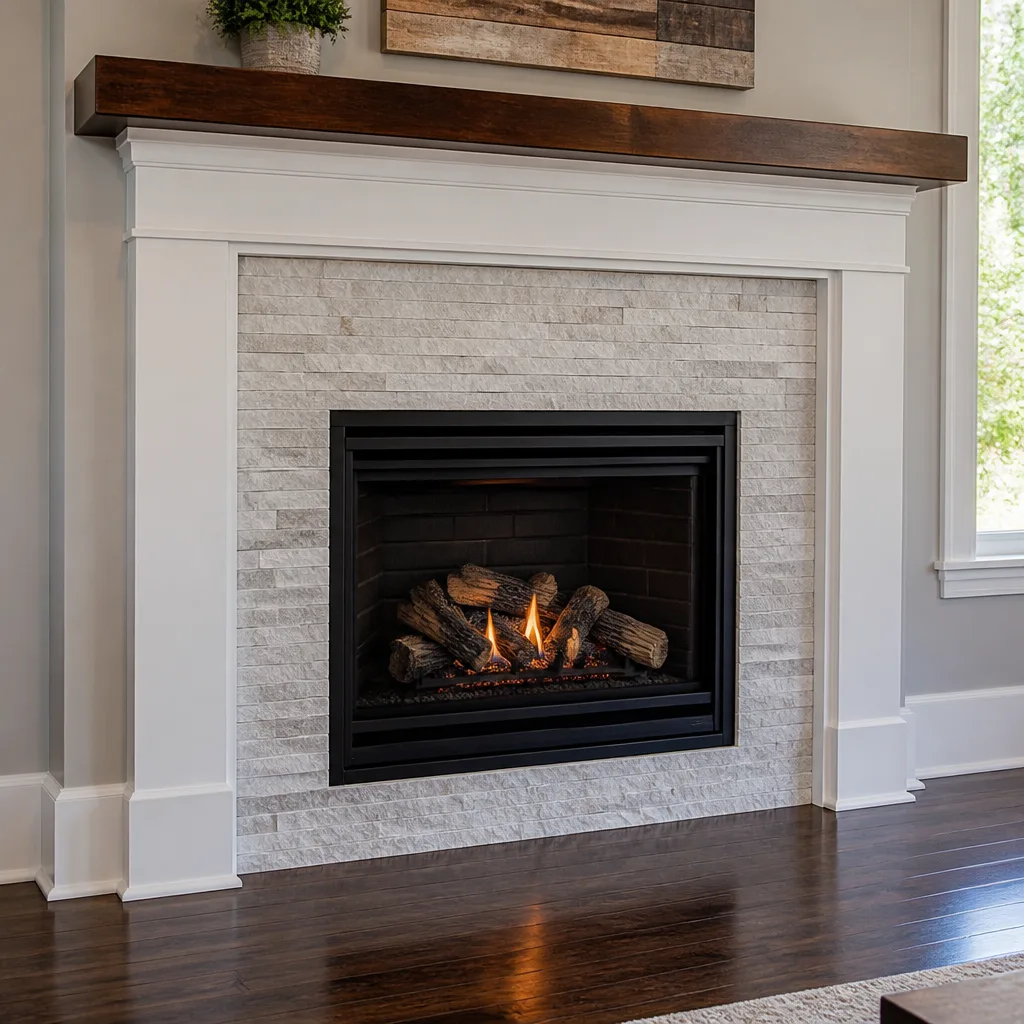 Gas fireplace service
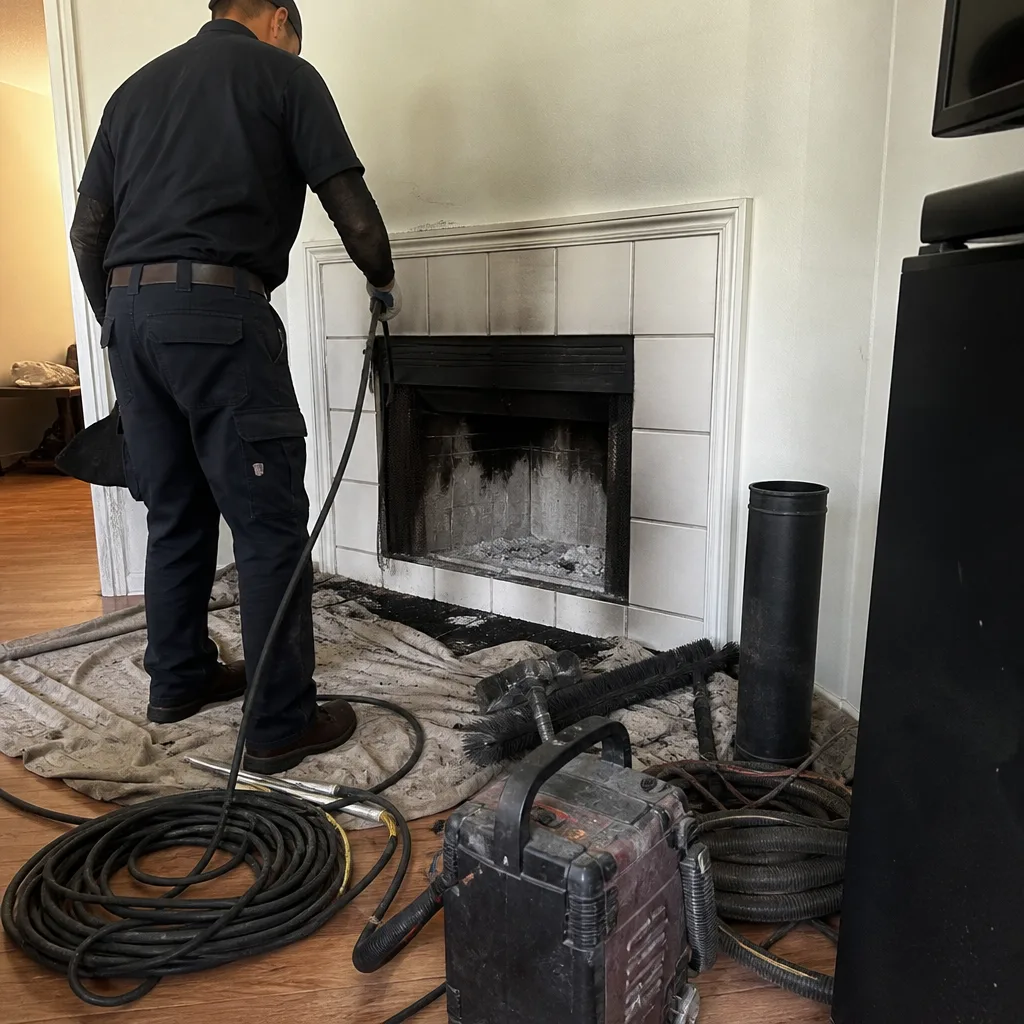
Level 1 sweep and inspection to the NFPA 211 annual standard - flue, crown, cap, and flashing checked and photographed
Chimney sweep logs do not sweep chimneys. They loosen some creosote - which then falls where a brush and vacuum still have to collect it.
Seasonal Chimney Cleaning Care for Chino: Year-Round Homeowner’s Guide
The standard advice you’ll find in most chimney guides, sweep every fall, was written for places with four actual seasons and a long stretch when nobody burns anything. Chino doesn’t work that way. Our fire season peaks right as temperatures drop, and the first cold snap that makes you want a fire is often the same week red flag warnings are posted. Waiting until November to schedule a sweep means competing with every other homeowner in the Chino Valley who just remembered their fireplace exists. This guide walks you through a month-by-month maintenance calendar built around Chino’s actual weather patterns, fire risk windows, and the realities of our local burning season, so you can plan ahead instead of scrambling.
Styles & brands we work with
- Sweep & inspection
- Caps & crowns
- Flue relining
- Masonry repair
- Gas fireplace service
Quick Answer
In Chino, the best time to sweep a chimney is August through early September, before fire season peaks and before the fall rush fills every sweep schedule in the Inland Empire. Spring and summer maintenance should focus on structural inspections, spark arrestor checks, and gas appliance servicing. A properly maintained chimney needs at least one professional inspection per year, and Chino homeowners who burn regularly during winter should plan for a sweep after every cord of wood burned.
Table of Contents
- Why Chino’s Climate Demands a Different Chimney Calendar
- August – September: The Optimal Sweep Window in Chino
- October – November: Fire Season and First Burns
- December – February: Burn Season Maintenance
- March – April: Post-Season Inspection and Rain Damage Assessment
- May – July: Fire Season Prep and Rooftop Clearance
- Gas Fireplace Seasonal Care: What Chino Homeowners Miss
- Common Mistakes to Avoid
- When to Call a Professional
- Frequently Asked Questions
- The Bottom Line
Why Chino’s Climate Demands a Different Chimney Calendar
Most chimney advice online was written for the Northeast or Midwest, where homeowners stop using fireplaces in April and don’t think about them again until September. Chino’s climate inverts that logic. Our burning season, roughly November through February, sits squarely on top of our fire season, which runs from late summer into early winter when Santa Ana winds arrive. That overlap creates a narrow scheduling window: the work that needs to happen before burning season, cleaning, inspection, minor repairs, has to get done while fire risk is still manageable and before every sweep company in the region is booked solid.
We’ve seen this pattern repeat every year in Chino. The first genuinely cold evening hits in early November, and within 48 hours, phone lines light up across the Inland Empire. Homeowners who called in August get a convenient weekday appointment. Homeowners who call in November wait three to four weeks, and sometimes burn anyway because they didn’t realize how much creosote had accumulated. Chino’s dry climate actually accelerates creosote formation in one specific way: the wood available locally tends to be well-seasoned by our low humidity, which creates the hot, fast burns that deposit hard, glazed creosote faster than slow smoldering fires do in humid climates. That glaze is harder to remove and more flammable than the flaky creosote common in wetter regions.
The takeaway: in Chino, the seasonal calendar isn’t about fall versus spring. It’s about working backward from fire season to find the handful of weeks when scheduling is open, weather is cooperative, and your chimney can be made ready before the first burn.
August – September: The Optimal Sweep Window in Chino
If you only do one chimney-related task this year on schedule, make it booking your annual sweep and inspection in August or early September. Three factors converge during these months in Chino that make it the right window.
First, fire season hasn’t peaked yet. Chino’s most dangerous fire weather typically arrives in October and November when Santa Ana winds dry out vegetation and create red flag conditions. Scheduling roof work and chimney access in August and September means working in milder conditions, before emergency crews are stretched thin and before any work-at-height carries elevated risk. A chimney sweep involves getting on your roof. Doing that before the wind season makes sense for safety alone.
Second, the burning season demand spike hasn’t started. Every year, the same dynamic plays out: quiet summer months, then a wall of calls starting in late October or early November. Booking in August gives you scheduling flexibility that simply doesn’t exist in fall. You’ll get a weekday slot, often within days, and the technician has time to do a thorough job rather than rushing through a packed calendar.
Third, any needed repairs can be completed before you need the fireplace. A thorough inspection often turns up issues: a cracked flue tile, a deteriorating crown, a damper that needs replacement. If you discover those problems in October, you’re racing to complete repairs as temperatures drop. If you find them in August, there’s no pressure. The work gets done at a normal pace, parts get ordered without rush fees, and the system is ready when you are.
Here’s the recommended pre-season checklist for Chino homeowners, in order:
- Schedule a professional chimney sweep in Chino that includes a full inspection, not just a brush-through. The inspection matters more than the sweep itself.
- Check the exterior masonry from ground level with binoculars. Look for cracks in the crown, missing mortar joints, or leaning brick. Note anything suspicious to point out to your technician.
- Clear any vegetation growing within three feet of the chimney structure. Chino’s dry summers make any plant material near a heat source a fire hazard.
- Replace batteries in smoke alarms and carbon monoxide detectors before the burn season begins, not after you smell smoke from the first fire.
- If you burn wood, check your supply now. Properly seasoned wood in Chino means at least six months of drying in our low-humidity climate, which is faster than coastal areas but still requires planning.
We recommend treating August as the deadline for scheduling, not the ideal time to start thinking about it. Mark it on your calendar the same way you’d mark a back-to-school date. The Chimney Sweep Chino home page has current scheduling availability if you want to lock in a date before the fall rush.
October – November: Fire Season and First Burns
By October, Chino homeowners are watching two forecasts: the temperature, and the National Weather Service fire weather outlook. When Santa Ana winds start showing up in the forecast, the risk calculus changes. Embers from a chimney can travel farther and ignite faster. This is the time for defensive preparation, not deferred maintenance.
If you completed your August sweep, October tasks are minimal. The main job is verifying the chimney is ready for its first fire. Before the first burn of the season, do a visual check of the firebox with a flashlight. Look for anything that doesn’t belong: animal nests, debris that fell from above, or cracks that may have developed in the firebrick. Birds in Chino are active well into fall, and a missing or damaged chimney cap can invite them in even during a single season.
If you didn’t get a sweep done in August or September, October is your last opportunity to schedule before the rush. Be prepared for limited availability. A better option than waiting may be delaying your first fire until the sweep happens. Burning with an unknown creosote load during red flag conditions is exactly how chimney fires start, and Chino’s fire response resources are already stretched during high wind events. Adding a structure fire to that load is preventable. A professional sweep takes an hour or two. Repairing fire damage takes weeks.
For gas fireplace owners, October is the right time for an annual service call. Gas appliances need less routine attention than wood-burning systems, but they still accumulate soot, dust, and small debris. The pilot assembly, thermocouple, and gas valve all benefit from a professional once-over before the first sustained use of the season. Gas fireplaces in Chino tend to get used sporadically rather than continuously during winter, which means more start-stop cycles and more wear on ignition components.
The October bottom line: if your system was serviced in August, you’re ready for the first fire whenever the temperature drops. If it wasn’t, schedule the service before you strike a match, even if it means waiting a few weeks for an appointment.
December – February: Burn Season Maintenance
This is the active burning season in Chino, when fireplaces and stoves see consistent use. The maintenance tasks during these months are less about big projects and more about monitoring the system while it works.
Wood burners in Chino should keep an eye on creosote buildup throughout the season. While you can’t see the flue interior yourself, you can observe burn behavior. Smoke entering the room instead of drafting up the chimney, a strong campfire smell that persists after the fire is out, or black flakes falling into the firebox from above: these are signs that creosote is accumulating and airflow is restricted. Any of these warrants a mid-season sweep, especially if you burn two to three fires per week.
Here’s a mid-season monitoring routine that takes five minutes per week:
- Before lighting a fire, shine a flashlight up into the flue from inside the firebox. Look for shiny, tar-like deposits on the flue walls. A thin layer of dark brown is normal. Any visible glaze means a sweep is overdue.
- Check the damper operation. It should open fully and close with a good seal. A damper that sticks open wastes heat and pulls smoke back into the house when the fire dies down.
- After the fire has fully cooled, remove ash buildup that exceeds two inches. Excess ash reduces firebox efficiency and can hide hot coals that reignite hours later.
- Watch the smoke outside. A properly burning fire in a clean chimney produces light gray or nearly invisible smoke. Dark, thick smoke usually means the wood isn’t seasoned or the flue is restricted.
- On rainy days during our occasional winter storms, check the firebox ceiling and walls for moisture. Water staining during or after rain points to a failed crown or flashing, which should be addressed quickly to prevent accelerating damage through the rest of the season.
Gas fireplace owners should simply note any changes in flame appearance. A consistent blue flame with yellow tips indicates proper combustion. A flickering yellow or orange flame, soot buildup on the glass, or a gas smell at startup all suggest service is needed. These are not DIY adjustments. Gas valving and combustion air settings require a trained eye.
If you use a wood-burning appliance and go through roughly a cord of wood by late January or February, schedule a mid-season sweep. Chino homeowners who burn weekend fires typically don’t hit this threshold, but households using a wood stove as a primary heat source often do. The same scheduling logic that applies to chimney sweeps applies here: mid-winter appointments are easier to get than early-fall ones.
March – April: Post-Season Inspection and Rain Damage Assessment
By March, burning season in Chino is winding down, but the work isn’t done. This is the time to inspect what winter did to your chimney before hot, dry weather bakes any minor damage into a bigger problem.
The specific issue in Chino during this window is rain. We don’t get much of it, which means when rain does arrive, often in sudden bursts from an atmospheric river, chimneys absorb water that they don’t get in a typical year. The crown, the concrete slab that caps the chimney opening, is the first line of defense. It’s exposed to both our hot dry summers and short intense winter rains. That thermal cycling, hot and dry, then sudden wet, creates microscopic cracks that widen over time.
A post-season checklist for Chino homeowners, ideally completed in March:
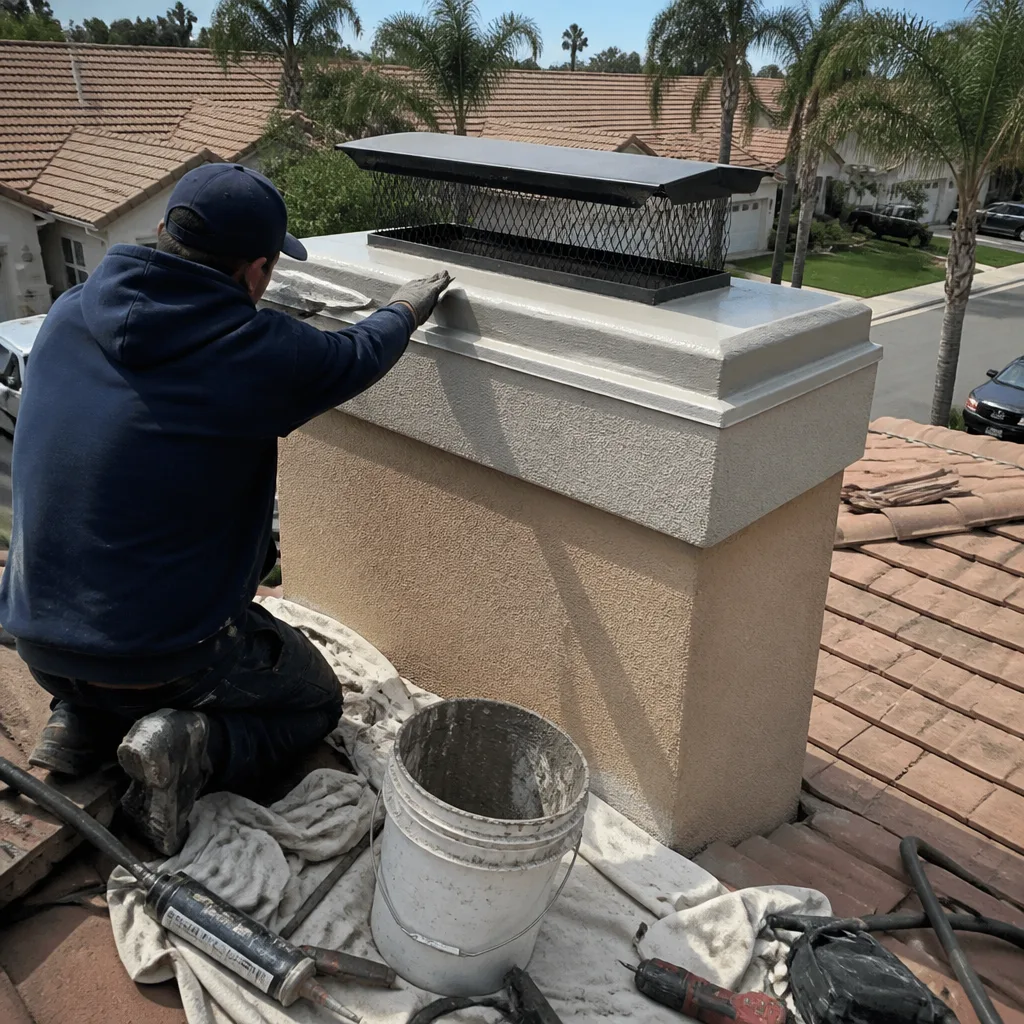
- Inspect the chimney crown from a ladder, or ask a professional to do it during a spring inspection. Look for hairline cracks, spalling concrete, or areas where the crown has separated from the flue tile. These all allow water entry.
- Check flashing where the chimney meets the roofline. Chino’s occasional high-wind events can lift and shift flashing, breaking the seal and allowing water intrusion that shows up as ceiling stains near the fireplace.
- Clear nesting material. Spring in Chino marks the start of nesting season for several local bird species. If your chimney cap has even a small gap, birds will find it. Removing nests early prevents both blockages and repeated rebuilding attempts through the spring.
- Evaluate creosote condition if you didn’t do a February sweep. Creosote left in a chimney through summer absorbs moisture and becomes acidic, accelerating corrosion of metal components. A spring sweep isn’t urgent, but it prevents off-season degradation.
- Note any damage from winter storms to the chimney cap or spark arrestor, which may have been hit by debris during high winds.
We see crown damage in Chino homes more frequently than any other structural issue, and it almost always traces back to water intrusion that went unnoticed for a season or two. The repair is straightforward and inexpensive when caught early. A severely deteriorated crown means water works its way down past the flashing, freezes in rare cold snaps, and spalls brick and mortar with each cycle. That’s when repair costs climb into relining territory, and the whole thing was preventable with a ten-minute crown inspection each spring.
May – July: Fire Season Prep and Rooftop Clearance
Between May and July in Chino, the ground dries out, temperatures climb, and fire risk becomes a permanent feature of the forecast. The chimney-related tasks in this season are about making the structure itself fire-safe, not about burning.
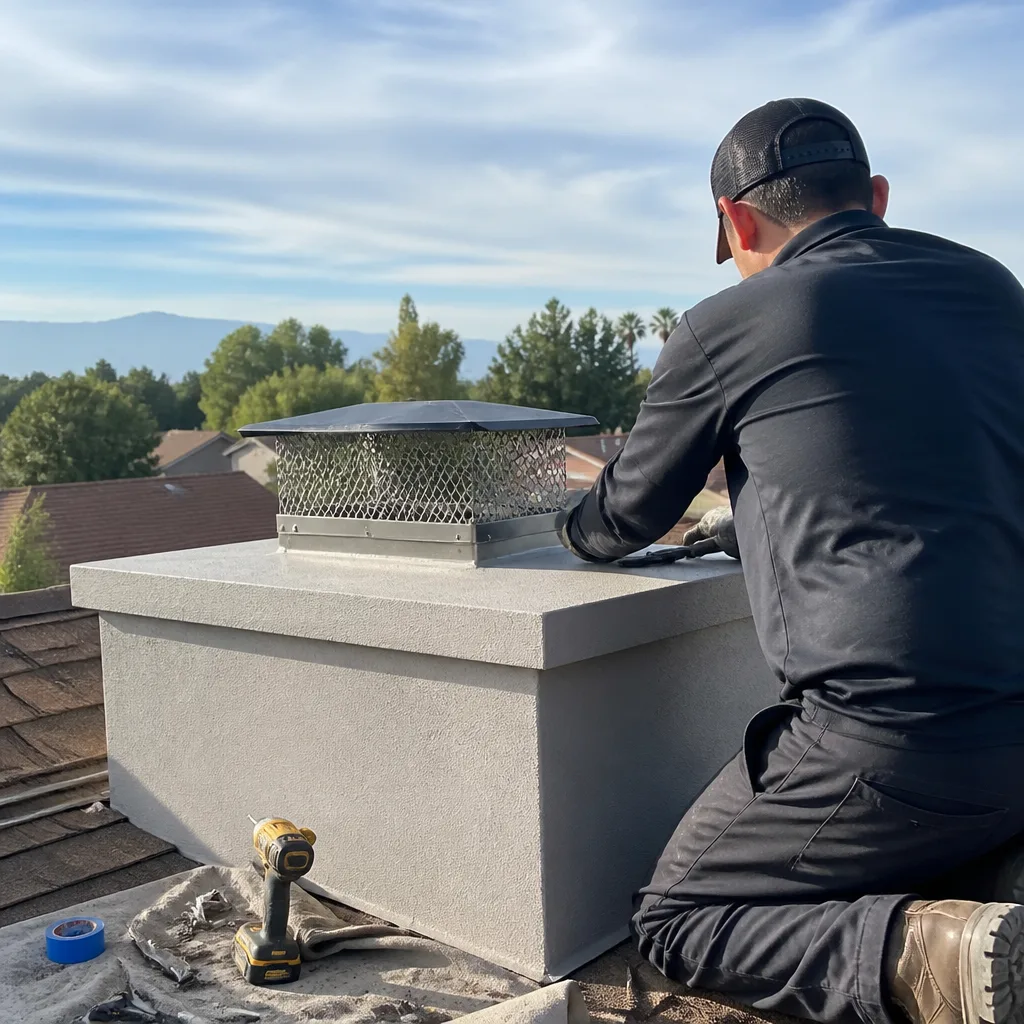
The chase cover. If your chimney is framed and sided rather than exposed masonry, it has a metal chase cover on top. In Chino’s summers, these covers expand and contract daily with temperature swings. Fasteners loosen, seams pull apart, and small gaps develop that let embers or rain through. A mid-summer check, ideally in June before fire danger peaks, allows time for resealing or replacing a failing cover before conditions get serious.
The spark arrestor. Every wood-burning chimney should have a spark arrestor installed at the flue opening. It’s a fine mesh screen that traps hot embers while allowing smoke through. The screen corrodes over time, faster in our low-humidity heat than in coastal climates. A spark arrestor with enlarged openings is a spark arrestor that isn’t doing its job. Check it visually with binoculars during summer, and replace it if the mesh shows rust-through or deformation. This matters more in Chino than in most places: a spark leaving your chimney in July or August lands on dry grass, not snow or wet ground.
Clearance inspection. Walk the roof or send a professional up to check that no combustible material has accumulated near the chimney in the past year. Dead leaves from fall, needles from neighboring trees, construction debris, bird nests: all of these become kindling when a chimney heats up. The ember doesn’t have to come from inside the chimney. A hot exterior surface igniting debris that touches it is all it takes.
Summer is also the right time for major repairs or liner work. If your inspection revealed issues earlier in the year, or if you know your flue is damaged, scheduling the repair during summer avoids the fall rush entirely. We specify products like DuraFlex stainless liners when a full relining is needed because the flexible stainless design installs cleanly in real-world flues, not just idealized straight runs. For flue resurfacing rather than replacement, a HeatShield application can restore a damaged flue at a lower cost than full relining. Both jobs are easier to schedule in July than in November, and you’ll have the system ready when the weather turns.
Gas Fireplace Seasonal Care: What Chino Homeowners Miss
A common assumption we hear from Chino gas fireplace owners is that gas means no maintenance. It’s true that gas appliances don’t produce creosote. But they do accumulate debris, develop component wear, and present combustion risks that need occasional attention.
Gas fireplaces in Chino see a different usage pattern than their wood counterparts. They get turned on briefly on cool evenings, shut off after an hour, then restarted the next night. That cycle, short run time, frequent starts, is harder on ignition components and thermocouples than continuous operation. A thermocouple that fails on a cold evening means no fire, and if it fails in a partially-open position, it can allow gas to flow without ignition. That’s a safety issue, not just an inconvenience.
The seasonal timing for gas service in Chino follows this logic:
- October: Annual service before first sustained use. The technician checks pilot assembly, thermocouple function, gas pressure at the burner, and cleans soot from the ceramic logs and burner ports. Gas logs absolutely develop soot over time, especially if the air-to-fuel ratio drifts from specification.
- January: If the fireplace gets daily use through the holidays, a quick visual check for soot buildup on the glass or flame color changes is worth doing. Yellow flame, flickering, or reduced flame height all indicate the burner needs cleaning or pressure adjustment.
- April: At the end of the heating season, clean the glass with the appropriate cleaner and check the door gaskets for air leaks. A cracked or compressed gasket changes combustion air and pulls carbon monoxide into the living space instead of up the flue.
One point worth stating plainly: gas fireplaces have flues, and gas flues need to be checked too. The chimney still carries combustion gases, still gets inspected for structural integrity, and still needs a cap with an intact spark arrestor, because even a gas fireplace can discharge an ember if debris in the flue ignites. Gas appliances still justify a professional annual inspection. The repair services that apply to wood chimneys apply to gas venting systems just the same.
Common Mistakes to Avoid
- Treating the sweep as the whole job. A brush-through removes creosote but does nothing for a cracked crown, failing flashing, or a damper that doesn’t seal. In Chino, where summer heat and occasional intense rain create specific structural stress, the inspection is what prevents expensive repair. You wouldn’t pay for an oil change without letting the mechanic look at the brakes. A sweep without an inspection is the same kind of false economy.
- Burning compressed logs as if they produce no creosote. Manufactured fire logs burn cleaner than green cordwood, but they still produce particulate matter that sticks to flue walls, especially in chimneys that are already cold or poorly drafting. An annual sweep is still required unless the manufacturer specifically certifies a longer interval for your appliance.
- Waiting until the first cold snap to schedule. By the time you want your first fire in Chino, every sweep company in the Inland Empire is booking several weeks out. The frustration leads some people to burn anyway, with a flue full of creosote they can’t see. Schedule in August and the problem disappears.
- Skipping the spark arrestor check. Chino’s fire season is our reality every year. A corroded spark arrestor with enlarged openings converts a contained fire into an ember source, and the difference between an incident and a structure fire can be a piece of mesh that cost under fifty dollars to replace.
- Ignoring gas fireplace service. The absence of creosote does not mean the absence of maintenance. Gas appliances need annual inspection, and in Chino’s sporadic-use pattern, ignition components fail more often than in climates where fireplaces run continuously all winter.
- Treating the chimney as separate from the roof. The flashing where the chimney exits the roofline is a roofing joint that fails like any other, and Chino’s occasional high winds and sudden rain events are exactly the conditions that expose it. A chimney inspection that doesn’t look at flashing is incomplete.
- Letting nests go until fall. Bird nesting season in Chino runs from spring into early summer. If you notice nesting activity in April, don’t wait until your August sweep to address it. By then, the nest is larger, the blockage is worse, and the smell of decaying nesting material inside your firebox is unpleasant and persistent.
When to Call a Professional
Some chimney work is a weekend DIY job: clearing brush near the exterior, checking the firebox with a flashlight, keeping ash levels down. Most of it isn’t. The instant you’re on a roof, the calculus changes. Steep pitches, loose tiles, and heat-exhausted roofing materials in Chino’s summers create real fall and injury risk that a homeowner shouldn’t take on for a visual inspection. If you see water staining on the ceiling near the fireplace, if smoke enters the living room instead of drafting upward, if you smell a persistent campfire odor when the fireplace hasn’t been used in days, call before burning again. Creosote buildup isn’t visible from ground level, and the inspection that finds it requires getting inside the flue with a camera or a mirror and a trained eye. Chimney Sweep Chino offers free estimates in Chino; call (866) 321-6641 and we’ll schedule a sweep and full inspection when the timing works for you, not when the fall rush dictates it.
Frequently Asked Questions
A standard chimney sweep and inspection in Chino typically runs between $175 and $350 depending on the flue size, the level of creosote buildup, and whether the chimney serves a single fireplace or a multi-story system. See our Chimney Cleaning Cost Breakdown: The Chino Homeowner’s Reference for 2026 for detailed pricing factors. Add-on services like camera inspection, crown repair, or spark arrestor replacement are priced separately. The cost of skipping a sweep is the one that surprises people; a chimney fire can cause thousands in structural damage, and the average homeowners insurance payout for chimney fire damage runs far ahead of the sweep bill. Call (866) 321-6641 for an exact quote, estimates are always free.
At minimum, once per year, scheduled in August or early September to beat the fall rush in Chino. If you burn more than a cord of wood in a season, or if you use a wood stove as a primary heat source through December and January, a mid-season sweep in late January or February is warranted. The National Fire Protection Association recommends sweeping whenever creosote accumulation reaches one-eighth of an inch, which most homeowners can’t assess themselves, which is why the annual professional visit matters.
Yes. Gas fireplaces don’t produce creosote, but their chimneys still accumulate soot, dust, and sometimes bird or rodent debris, and the structure still needs annual inspection for crown cracks, flashing failure, and cap damage. Gas appliance chimneys in Chino also benefit from an annual service of the burner, pilot, thermocouple, and gas valving, which a chimney technician can perform at the same visit.
Skipping one year in Chino means your flue accumulates creosote for more than eighteen months of burn seasons, and in our dry climate, that creosote turns hard and glazed faster than homeowners expect. Glazed creosote is the most flammable type and the hardest to remove, which means a heavier accumulation creates the conditions for a chimney fire even if you only burn occasionally. The worst case is a flue fire that spreads to the roof or attic. The best case is that you get away with it and pay more for a tougher cleaning next time. The risk isn’t worth the hundred dollars saved, call (866) 321-6641 and book an estimate instead.
The brush-through part is physically possible with the right equipment and some roof confidence, but we don’t recommend it for two specific reasons. First, getting on a roof in Chino during any season carries fall risk that outweighs the money saved. Second, and more important, a homeowner with a brush can’t conduct the structural inspection that finds crown cracks, flashing separation, and spark arrestor corrosion, which are the precursors to bigger problems. The cleaning is the easy half. The inspection is where the safety lives.
August through mid-September is the sweet spot in Chino. Fire season hasn’t peaked, burning season hasn’t started, and most chimney companies still have open weekday appointments. By October, wait times stretch to several weeks. By November, you’re competing with every homeowner in the Chino Valley who wants their fireplace ready for Thanksgiving. Call (866) 321-6641 in summer, lock in a date, and let the fall rush happen to someone else.
The Bottom Line
Chino’s climate creates a narrow, predictable maintenance window that most homeowners miss because the generic advice online doesn’t account for it. The right sequence is this: schedule a sweep and full inspection in August or September, verify fire season readiness in October, monitor burn behavior through winter, assess rain and structural damage in March, and handle fire season prep and cap inspection in June. At each step, the task is small and manageable. Ignored and deferred, the same tasks compound into four-figure repairs and genuine fire hazard. Chimney Sweep Chino handles the full cycle, sweep, inspection, repair, and relining, with the same team you’ll talk to when you call. Estimates in Chino are free at (866) 321-6641, and the best time to schedule is before the weather tells you to.
Written by the team at Chimney Sweep Chino, serving Chino since 2011.
See the difference
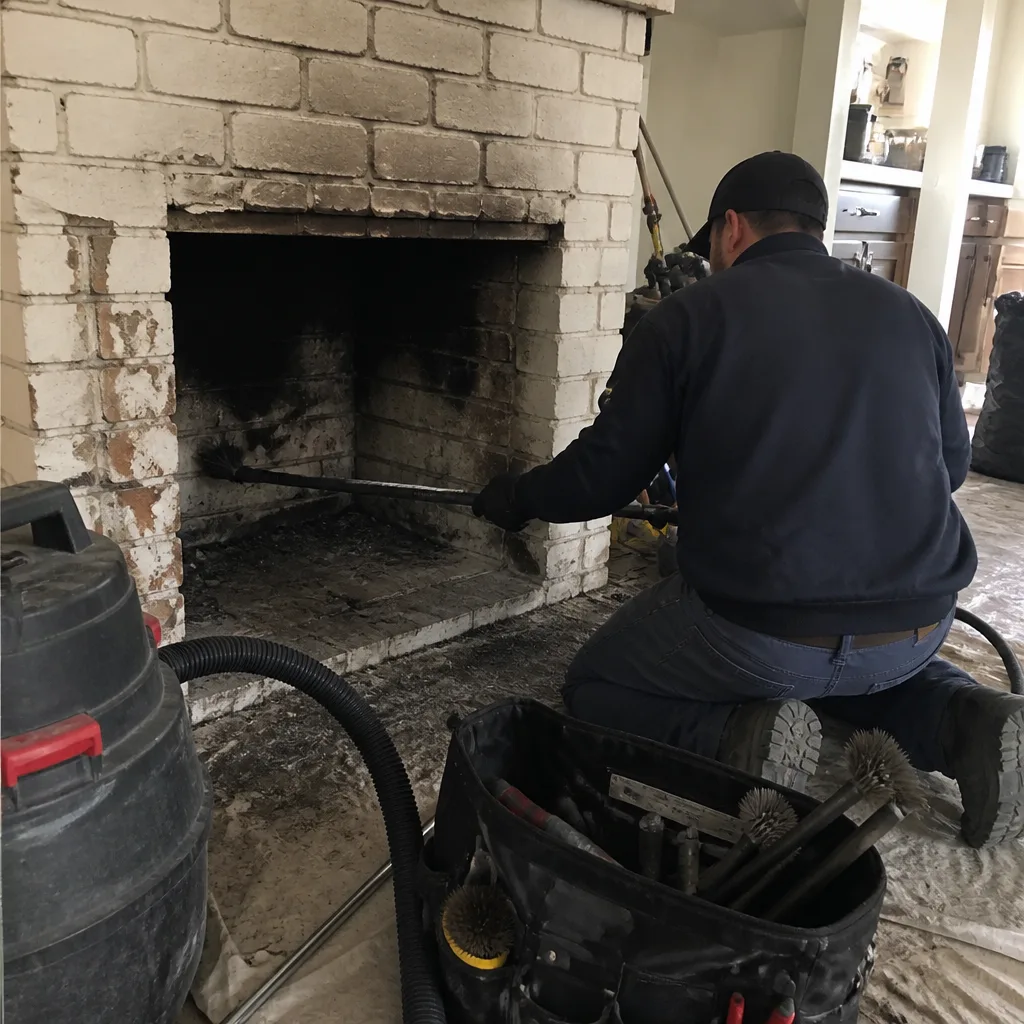 Before
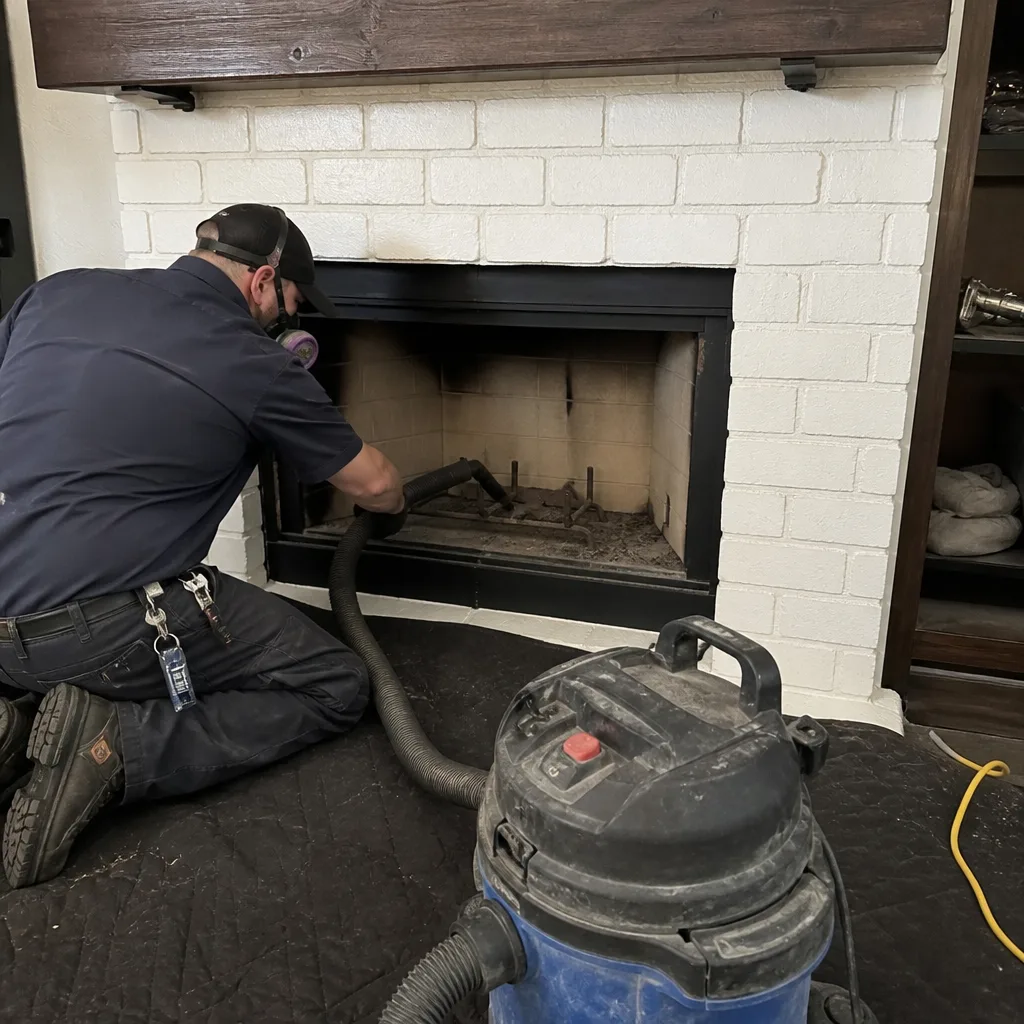 After
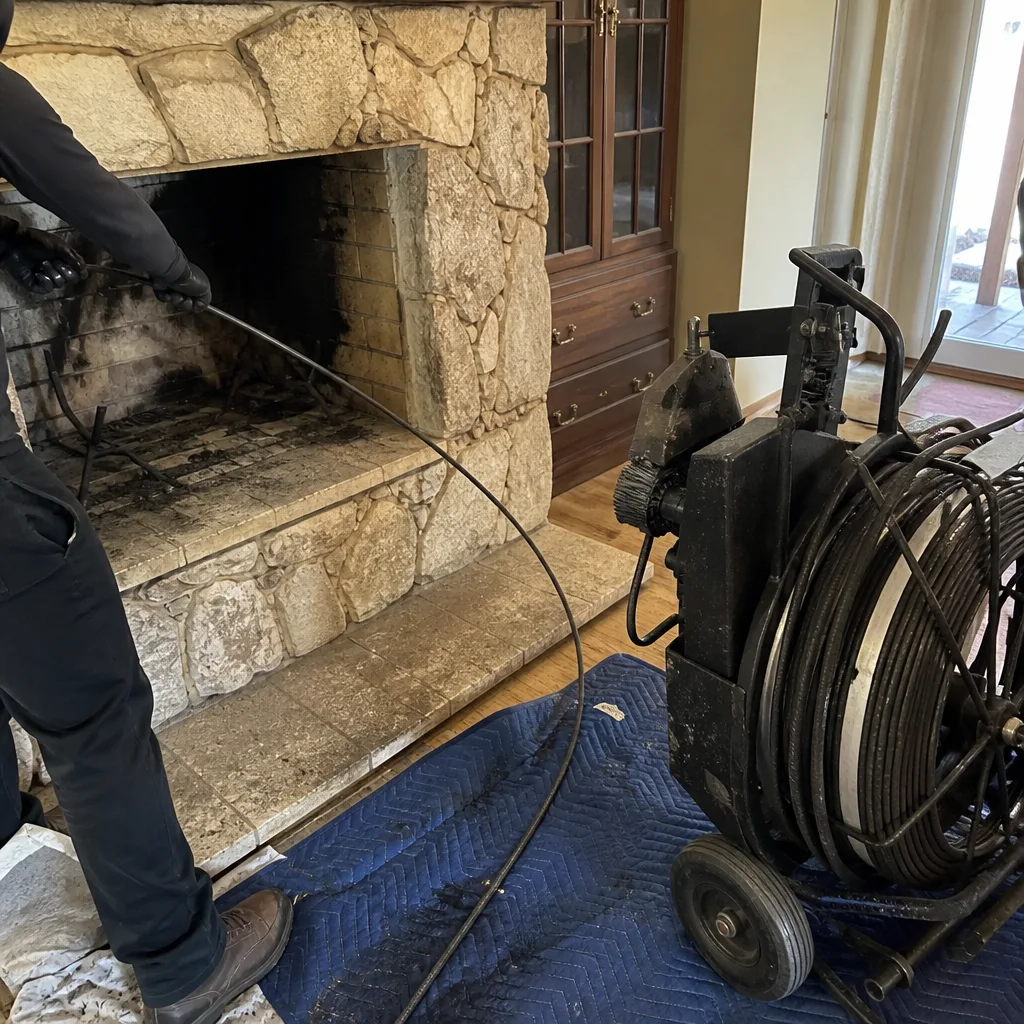 Before
 After
 Before
 After